





After a long day, falling asleep should feel natural.
Yet millions of people spend hours staring at the ceiling, replaying conversations, worrying about tomorrow, or simply waiting for sleep that never arrives.
Occasional sleepless nights happen to everyone.
However, when poor sleep becomes a regular pattern, it can affect nearly every aspect of your life.
Your mood changes.
Your concentration declines.
Your energy disappears.
Even your immune system can become less effective.
Many people immediately search for sleeping pills.
While medication has an important role for some individuals under medical supervision, it is not always the first or only solution.
Research suggests that several natural sleep helpers, combined with healthy bedtime habits, may improve sleep quality without creating dependence.
The goal is not to find a miracle cure.
Instead, it is to create an environment where your body can do what it was designed to do naturally—sleep.
If you struggle with persistent insomnia, you may also find our comprehensive insomnia guide helpful, where we explain common causes, symptoms, and treatment options in greater detail.
Quick Answer
Natural sleep helpers include evidence-informed strategies such as improving sleep hygiene, drinking certain herbal teas, maintaining a consistent bedtime routine, reducing evening screen exposure, using magnesium when appropriate, creating a dark sleeping environment, and practicing relaxation techniques. These methods are most effective when used consistently and should not replace medical advice for persistent sleep problems.
Note: This guide focuses on genuine impressive qualities — those that create authentic connection and mutual benefit — rather than the superficial charisma tactics or manipulative impression management that produce short-term impact at the cost of genuine trust.
Why Sleep Matters More Than Most People Realize
Sleep is not simply a period of rest.
It is one of the body’s most important recovery processes.
During sleep, your brain organizes memories, your muscles recover, your immune system strengthens, and important hormones help regulate metabolism, mood, and overall health.
Poor sleep affects far more than energy levels.
Research has linked chronic sleep deprivation with reduced concentration, increased stress, impaired emotional regulation, and a higher risk of several long-term health conditions.
The National Sleep Foundation explains that healthy sleep is essential for physical recovery, cognitive performance, and emotional wellbeing.
This is why improving sleep should be viewed as an investment in your overall health rather than a luxury.
What Causes Poor Sleep?
Sleep problems rarely have a single cause.
Instead, several lifestyle, environmental, and psychological factors often work together.
Common contributors include:
- Chronic stress
- Anxiety
- Irregular sleep schedules
- Excessive caffeine
- Alcohol close to bedtime
- Late-night screen use
- Poor bedroom environment
- Chronic pain
- Certain medications
Identifying the underlying cause is often more effective than simply treating the symptom.
Can Natural Sleep Helpers Really Work?
The answer depends on expectations.
Natural sleep helpers are not sleeping pills.
They are designed to support your body’s normal sleep processes.
For some people, they make falling asleep easier.
For others, they improve sleep quality or reduce nighttime awakenings.
Most experts agree that these approaches work best when combined with good sleep hygiene rather than used in isolation.
That is why sleep specialists often recommend lifestyle changes before considering stronger interventions for uncomplicated sleep difficulties.
1.Build a Consistent Sleep Routine
The most effective sleep helper is completely free.
Go to bed and wake up at the same time every day.
Even on weekends.
Your internal body clock, known as the circadian rhythm, functions best when it follows a predictable schedule.
Irregular sleep patterns confuse this natural rhythm, making it harder to fall asleep and wake feeling refreshed.
The American Academy of Sleep Medicine recommends maintaining consistent sleep and wake times as part of healthy sleep habits.
2.Drink Chamomile Tea Before Bed
Chamomile has been used for centuries as a calming herbal tea. Modern research suggests it may help some people improve sleep quality, particularly when combined with healthy bedtime habits.
Chamomile contains natural compounds such as apigenin, an antioxidant that interacts with receptors in the brain associated with relaxation.
A warm cup of chamomile tea is unlikely to make you fall asleep instantly. Instead, it can become part of a calming evening routine that signals your body to prepare for rest.
One clinical study found that chamomile extract improved sleep quality in older adults, although more high-quality research is still needed to confirm its effectiveness across different populations.
Expert Tip
Drink chamomile tea about 30 to 60 minutes before bedtime. Avoid adding large amounts of sugar, as it may reduce the relaxing effect of your bedtime routine.
3.Consider Magnesium If You Have a Deficiency
Magnesium plays an important role in hundreds of biological processes, including muscle relaxation, nerve function, and sleep regulation.
Some people with low magnesium levels report better sleep after increasing their intake through diet or supplements. However, magnesium is not a guaranteed treatment for insomnia, and supplementation is not necessary for everyone.
Foods naturally rich in magnesium include:
- Spinach
- Pumpkin seeds
- Almonds
- Cashews
- Black beans
- Avocados
- Whole grains
If you are considering magnesium supplements, speak with your healthcare provider first, especially if you have kidney disease or take prescription medications.
Did You Know?
Magnesium may support relaxation by helping regulate the nervous system and contributing to normal melatonin function.
4.Lavender and Aromatherapy May Support Relaxation
Lavender is one of the most researched essential oils for relaxation.
Although evidence is mixed, several studies suggest that inhaling lavender before bedtime may improve subjective sleep quality in some people.
The calming effect may come from both the aroma and the bedtime ritual itself.
Creating a relaxing routine helps your brain associate certain activities with sleep.
Try combining lavender with:
- Reading a book
- Gentle stretching
- Meditation
- Deep breathing
- Journaling
The NHS Every Mind Matters programme recommends creating a relaxing bedtime routine as part of healthy sleep habits.
5.Reduce Screen Time Before Bed
One of the most overlooked sleep helpers is turning off electronic devices.
Phones, tablets, laptops, and televisions emit blue light, which can interfere with your body’s production of melatonin.
Melatonin helps regulate your natural sleep-wake cycle.
Using screens late at night may delay sleep, especially if you are watching stimulating content or responding to work messages.
Try these simple changes:
- Stop using screens 30 to 60 minutes before bed.
- Enable night mode if screen use is unavoidable.
- Charge your phone outside the bedroom.
- Replace scrolling with reading or relaxation.
If falling asleep remains difficult, visit our Sleep Optimization Hub for more practical strategies to improve your nightly routine.
6.Create a Dark Sleeping Environment
Light tells your brain that it is time to stay awake.
Even small amounts of artificial light may affect sleep quality for some people.
Simple improvements include:
- Using blackout curtains.
- Wearing a comfortable sleep mask.
- Turning off unnecessary lights.
- Covering bright electronic displays.
A darker room helps support your body’s natural circadian rhythm.
7.Try White Noise if Your Environment Is Noisy
Noise can interrupt sleep even when you do not fully wake up.
White noise creates a consistent background sound that masks sudden disturbances such as traffic, barking dogs, or household activity.
Many people benefit from:
- White noise machines.
- Fans.
- Rain sounds.
- Ocean sounds.
- Brown noise.
Choose a sound that feels calming rather than distracting.
8.Can Weighted Blankets Improve Sleep?
Weighted blankets apply gentle, even pressure across the body.
This sensation, sometimes called deep pressure stimulation, may promote relaxation in some individuals.
Research suggests weighted blankets may improve sleep quality for certain people, including those experiencing anxiety or specific neurodevelopmental conditions.
Choose a blanket that is appropriate for your body size and follow the manufacturer’s guidance.
Weighted blankets are not suitable for everyone, particularly infants or individuals with certain medical conditions.
9.Practice Relaxation Techniques Before Bed
Your mind needs time to slow down.
Simple relaxation techniques can reduce bedtime stress.
Try:
- Deep breathing.
- Progressive muscle relaxation.
- Mindfulness meditation.
- Gratitude journaling.
- Gentle yoga.
Consistency matters more than perfection.
Even ten minutes each evening can help create a healthier bedtime routine.
Natural Sleep Helpers:
| Myth | Fact |
|---|---|
| Herbal remedies cure insomnia. | Natural remedies may help some people but are not a guaranteed treatment. |
| Alcohol improves sleep. | Alcohol may make you sleepy initially but often reduces sleep quality later in the night. |
| You can catch up on sleep every weekend. | Consistent sleep schedules generally support healthier sleep than relying on weekend recovery. |
| More supplements always mean better sleep. | Supplements should be used thoughtfully and, when appropriate, with professional advice. |
Sleep Hygiene Checklist
Before going to bed tonight, ask yourself:
✅ Did I avoid caffeine late in the day?
✅ Did I reduce screen time before bed?
✅ Is my bedroom cool, quiet, and dark?
✅ Did I keep a consistent bedtime?
✅ Did I avoid heavy meals immediately before sleeping?
✅ Did I spend time relaxing before bed?
Even following a few of these habits consistently can improve sleep over time.
When Should You See a Doctor About Sleep Problems?
Occasional restless nights are normal.
However, persistent sleep problems should not be ignored.
Consider speaking with a healthcare professional if:
- You struggle to fall asleep or stay asleep for more than three weeks.
- Daytime fatigue affects your work, school, or relationships.
- You regularly wake up gasping for air or snore loudly.
- You rely on sleeping pills or alcohol to fall asleep.
- Poor sleep affects your mood or mental health.
A healthcare professional can evaluate whether an underlying medical condition, mental health concern, or sleep disorder requires further assessment.
According to the American Academy of Sleep Medicine, persistent insomnia should be properly evaluated instead of self-treated indefinitely.
Frequently Asked Questions
What is the best natural sleep helper?
There is no single solution that works for everyone.
A consistent sleep schedule, healthy sleep hygiene, stress management, and a relaxing bedtime routine have the strongest evidence for improving sleep over time. Natural options such as chamomile tea, magnesium (when appropriate), and lavender may provide additional support for some people.

Does magnesium help you sleep?
Magnesium may help individuals who have low magnesium levels or whose sleep difficulties are related to muscle tension or stress. However, it is not a universal treatment for insomnia, and supplements should only be taken after discussing them with a healthcare professional.
Is chamomile tea better than melatonin?

They work differently.
Chamomile is a herbal beverage that may promote relaxation, while melatonin is a hormone involved in regulating the sleep-wake cycle. Neither is suitable for everyone, and both should be used appropriately.
Can essential oils cure insomnia?
No.
Essential oils do not cure insomnia.
However, calming scents such as lavender may help create a relaxing bedtime environment that supports healthy sleep habits.
How many hours of sleep do adults need?
Most adults need 7–9 hours of sleep each night, although individual needs vary.
The quality of sleep is just as important as the number of hours.
Can poor sleep affect mental health?
Yes.
Poor sleep and mental health influence each other.
Long-term sleep deprivation may contribute to increased stress, anxiety, mood changes, and difficulty concentrating.
If you would like to understand this connection in greater detail, explore our comprehensive insomnia guide.
Expert Tips for Better Sleep
Small changes often create lasting improvements.
Try these evidence-informed habits:
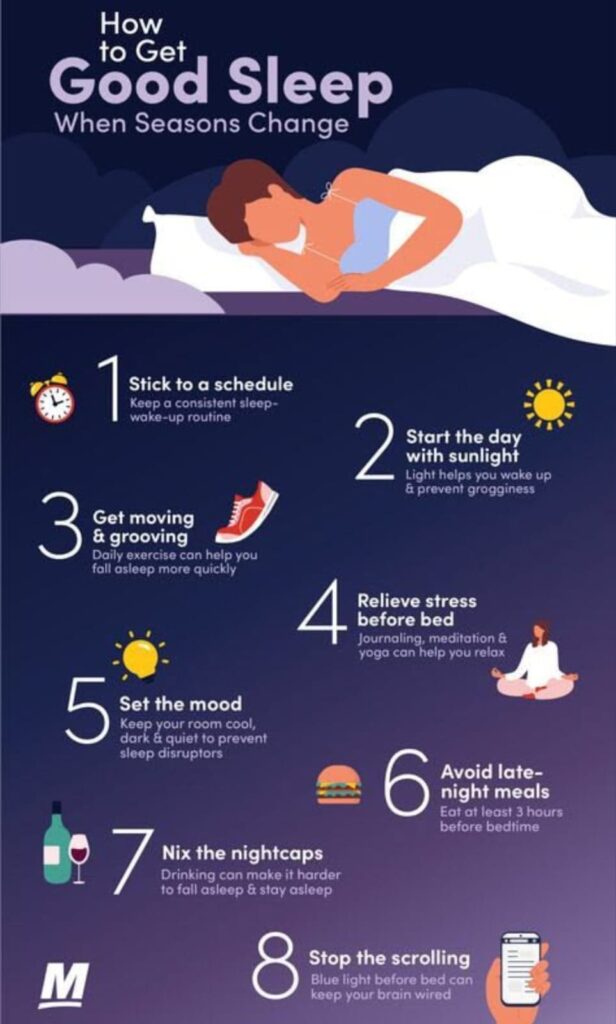
✔ Keep the same bedtime every day.
✔ Get morning sunlight within the first hour of waking.
✔ Exercise regularly, but avoid intense workouts immediately before bed.
✔ Reduce caffeine after midday.
✔ Keep your bedroom cool, quiet, and dark.
✔ Avoid heavy meals close to bedtime.
✔ Develop a relaxing wind-down routine.
✔ Reserve your bed for sleep rather than work or scrolling on your phone.
Consistency is more effective than searching for a perfect sleep product.
Common Mistakes That Make Sleep Worse
Many people unknowingly make bedtime habits that interfere with healthy sleep.
Avoid these common mistakes:
- Sleeping at different times every night.
- Drinking caffeine late in the afternoon or evening.
- Watching stimulating videos before bed.
- Using your phone while lying in bed.
- Working from your bed.
- Taking long daytime naps.
- Eating heavy meals immediately before sleeping.
- Ignoring ongoing sleep difficulties.
Replacing just one unhealthy habit with a healthier routine can make a noticeable difference over time.
A Word from Mindnesto-
At midnesto we believe Natural sleep helpers are most effective when they become part of a consistent bedtime routine rather than being viewed as quick fixes.
Healthy sleep depends on several factors working together, including regular sleep schedules, a relaxing environment, stress management, physical activity, and healthy daily habits.
Some natural approaches, such as chamomile tea, magnesium (when appropriate), lavender aromatherapy, and white noise, may help certain individuals improve their sleep quality. However, they work best alongside good sleep hygiene rather than replacing it.
If your sleep difficulties continue for several weeks or significantly affect your daily life, seeking professional advice is an important next step. Early support can help identify underlying causes and guide you toward the most appropriate treatment.
Quality sleep is one of the strongest foundations for better mental health, physical wellbeing, productivity, and emotional resilience. Investing in healthier sleep habits today can benefit every area of your life tomorrow.






increased my knowledge so much
my pleasure sweetie;;;;;