






By mindnesto Editorial Team · Updated November 2026 · 11 min read
Sources include PubMed Central, Frontiers in Neurology, the NHS, NINDS, the American Academy of Sleep Medicine and peer-reviewed reviews on restless legs syndrome and akathisia.
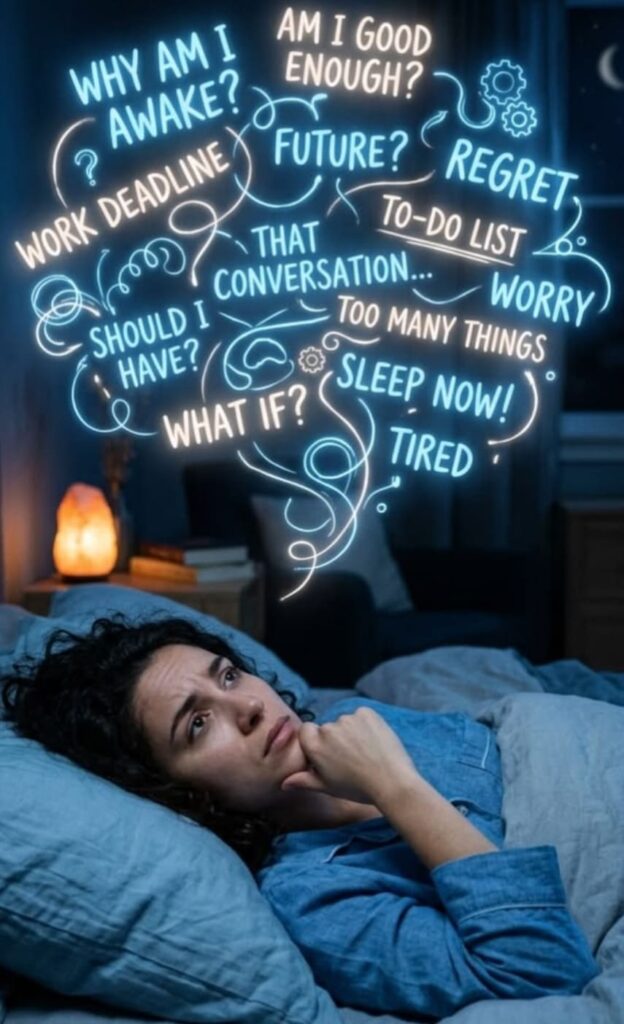
You are exhausted. Your bed is ready. Yet your legs twitch, your mind races, and you cannot lie still.
Restlessness at night in adults is common, and it is rarely random. The feeling can come from your thoughts, your nervous system, your legs, or even a medicine you take. Each source needs a different fix.
This guide helps you work out which type you have. It then explains what genuinely helps. It sits within our wider guide to sleep problems in adults.
⚠️ Medical Disclaimer: This article is for information only. It does not replace advice from your GP or a qualified sleep specialist. Never stop or change a medicine without speaking to your prescriber first.
What Is Restlessness at Night in Adults?
Restlessness at night is an ongoing inability to settle your mind or body at bedtime. It may feel like racing thoughts, an urge to move your legs, or a deep inner agitation. Common causes include anxiety and hyperarousal, restless legs syndrome, caffeine and alcohol, medication side effects, thyroid problems, and low iron. Treatment depends on the cause.
An occasional restless night is normal. Persistent restlessness that delays sleep or wrecks your rest deserves attention.
An occasional restless night is normal. Persistent restlessness that delays sleep or wrecks your rest deserves attention.
Three Kinds of Night-Time Restlessness
Doctors separate restlessness into types. Knowing the type points you toward the right help.
| Type | Where you feel it | When it happens | What it responds to |
|---|---|---|---|
| Anxiety and hyperarousal | Mind and whole body, with racing thoughts | Worse at bedtime, but can occur any time | Calming routines, CBT |
| Restless legs syndrome (RLS) | Legs, sometimes arms, with crawling or tingling sensations | Evening and night, when at rest | Movement brings brief relief; iron and specialist care |
| Akathisia | Deep inner restlessness with a need to move, often when sitting | After starting or changing certain medicines | Review of the medicine by your prescriber |
A fourth group is periodic limb movements. These are repeated leg jerks during sleep. You may not notice them, but a partner might. They often travel with RLS and can break up your sleep.
The Science: Why Your Body Will Not Settle
Hyperarousal: A Body Stuck in Go Mode
Anxiety and stress switch on your sympathetic nervous system. This is the fight-or-flight response. Stress hormones such as cortisol stay high, so your body stays on alert even when nothing is wrong.
Hyperarousal makes deep relaxation hard. Sleep then arrives late and stays light. Our stress management guide explains how to calm this system during the day.
Restless Legs Syndrome: A Night-Time Nervous System Pattern
RLS is a sensorimotor disorder with a clear daily rhythm. Symptoms usually start or worsen in the evening and night. Researchers link it to low brain iron, changes in dopamine signalling, and an overexcitable glutamate system. That overexcitability can cause hyperarousal and frequent night wakings.
A 2025 review reports that roughly 10% of adults experience RLS symptoms. About 2 to 3% have symptoms frequent or severe enough to need treatment. In other words, RLS is common and often under-recognised.
Akathisia: Restlessness From a Medicine
Akathisia is an intense inner restlessness with a strong need to move. It is most often a side effect of antipsychotic medicines. Some antidepressants can cause it too. It can look like anxiety, but it is a different condition.
What Causes Restlessness at Night?
1. Anxiety and Stress
Worry keeps your mind and body switched on. Anxiety-related restlessness usually comes with fear, dread, or constant worry. Our anxiety journaling prompts help you empty your mind before bed.
2. Caffeine, Stimulants, and Decongestants
Caffeine, stimulant medicines, and some decongestants raise alertness for hours. Late doses can leave you wired at bedtime.
3. Alcohol and Withdrawal
Alcohol may make you drowsy at first. It then fragments your sleep as it wears off. Withdrawal from alcohol or other substances can cause marked restlessness and needs medical advice.
4. Restless Legs Syndrome and Low Iron
Iron deficiency is a common, treatable contributor to RLS. Clinicians often check a blood test called ferritin. Do not take iron supplements without testing, because too much iron can be harmful.
5. Medication Side Effects
Certain antipsychotics and antidepressants can trigger akathisia. If restlessness began after a new medicine or a dose change, contact your prescriber promptly. Do not stop the medicine yourself.
6. Thyroid and Other Medical Causes
An overactive thyroid can cause restlessness, a racing heart, and anxiety-like feelings. Pain, low blood sugar, and infections can also play a part. Blood tests help find these causes.
7. ADHD, Depression, and Sleep Loss
ADHD can bring a restless body and a busy mind at night. Depression can also disturb sleep. Our guide to depression and sleep explains the link.
8. Irregular Routines
Late nights and changing sleep times confuse your body clock. Restlessness often follows.
A Note for Older Adults
Night-time restlessness with sudden confusion can signal sundowning or delirium. This needs prompt medical review, especially if it is new.
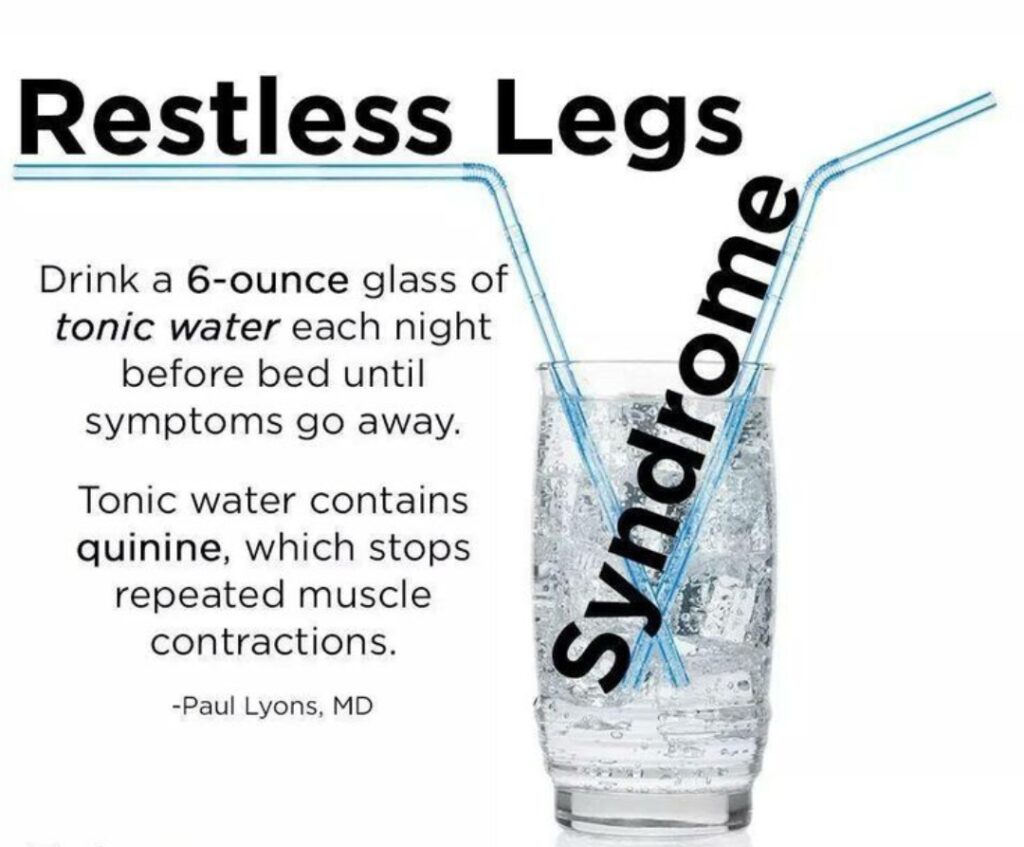
How Restless Legs Syndrome Is Recognised
Doctors diagnose RLS from your story. A simple memory aid is the URGE pattern.
- U: an urge to move the legs, often with crawling, tingling, or itching feelings
- R: rest brings it on, especially when lying in bed
- G: getting relief when you move or stretch
- E: evening or night worsening
If most of these fit, mention RLS to your GP. RLS is different from akathisia. RLS is mainly a night-time leg problem. Akathisia is a whole-body inner restlessness that often occurs while sitting.
How Doctors Find the Cause
Your GP may suggest:
- A medication review: including any recent changes
- Blood tests: thyroid function and iron levels, including ferritin
- A sleep diary: two weeks of bedtimes, caffeine, alcohol, and restless episodes
- A sleep study: to check for periodic limb movements or other sleep disorders
- A mood and anxiety screen: to look for hidden anxiety or depression
Treatment: What Works for Each Cause
For Anxiety-Driven Restlessness
Cognitive behavioural therapy (CBT) is first-line treatment for anxiety. It helps you challenge the thoughts that keep your body alert. Mindfulness-based stress reduction can also help you feel safe in stillness.
For Restless Legs Syndrome
Current clinical guidance puts careful diagnosis and iron checks first. Specialists are now more cautious about long-term dopamine medicines, because these can cause augmentation, where symptoms worsen over time. Other treatments exist, and a specialist can choose among them.
For Akathisia
The main step is reviewing the medicine that caused it. Your prescriber may lower the dose or change the drug. Some people are prescribed a beta-blocker such as propranolol. These are decisions for your prescriber, not self-treatment.
For Medical Causes
Treating the thyroid, correcting low iron, or managing pain often reduces restlessness. The cause drives the treatment.
A Practical Wind-Down Plan
These steps support medical care. They do not replace it.
- Set a caffeine cut-off. Stop caffeine by early afternoon.
- Limit alcohol. Avoid it close to bedtime.
- Move earlier in the day. A walk or light exercise helps burn off tension.
- Write worries down early evening. Note each concern and the next step.
- Slow your breathing. Breathe in for four counts and out for six.
- Warm and stretch gently. A warm bath and light leg stretches may ease leg discomfort. Evidence is modest.
Be patient. Small changes usually build over a few weeks.
When to See a Doctor
Book an appointment with your GP if:
- You have a nightly urge to move your legs with unpleasant sensations
- Restlessness began after a new medicine or dose change
- You feel very sleepy in the daytime or snore loudly
- You have a racing heart, weight loss, or heat intolerance
- Restlessness comes with sudden confusion, especially in an older adult
- Anxiety or low mood is affecting daily life
- Self-help has not worked after a few weeks
Restlessness, Distress and Suicidal Thoughts
Severe restlessness can be exhausting and frightening. If it comes with hopelessness or thoughts of ending your life, please reach out now. You deserve support.
- UK: Samaritans, call 116 123 (free, 24/7)
- USA and Canada: call or text 988
- Australia: Lifeline, call 13 11 14
Restlessness at Night in Adults: Key Takeaways
- Night restlessness can come from the mind, the legs, or a medicine
- Anxiety keeps the sympathetic nervous system switched on, so the body stays alert
- RLS affects roughly 10% of adults to some degree and worsens in the evening
- The URGE pattern helps you spot RLS
- Akathisia is a medication-related inner restlessness and differs from anxiety
- Low iron, thyroid problems, caffeine, and alcohol are common triggers
- CBT works well for anxiety-driven restlessness
- Never stop a medicine or take iron without medical advice
A Word From mindnesto
Being unable to settle at night is exhausting. It is not weakness, and it is not in your head alone.
Once you know the type of restlessness, the path forward becomes clearer. Reach out for support, and give your body time to learn calm again. 💙
→ Read next: Sleep Problems in Adults: The Complete Guide
→ Also read: Stress Management: The Complete Guide
Frequently Asked Questions
Why do I feel restless at night?
Common causes include anxiety, late caffeine, alcohol, screen use, irregular sleep, and restless legs syndrome. Medicines and thyroid problems can also be responsible. See your GP if it keeps happening.
What is the difference between restless legs and anxiety?
Restless legs syndrome is an urge to move your legs, with odd sensations that ease when you move, mostly at night. Anxiety-driven restlessness usually comes with worry, fear, or dread. They can occur together.
What is akathisia?
Akathisia is a strong inner restlessness with an urge to move, often caused by antipsychotic or some antidepressant medicines. It can mimic anxiety. Tell your prescriber promptly rather than stopping the medicine yourself.
Can low iron cause restless legs?
Yes. Iron deficiency is a common, treatable contributor to restless legs syndrome. Ask your GP for a blood test, including ferritin, before taking any iron supplement.
How do I stop feeling restless before bed?
Cut caffeine by early afternoon and limit alcohol. Write worries down early evening and slow your breathing at bedtime. If it persists, check for restless legs, thyroid problems, or medication effects.
Where to Get Help
- UK: NHS: Restless Legs Syndrome | NHS Talking Therapies
- USA: NINDS: Restless Legs Syndrome | RLS Foundation | AASM Sleep Education
- Canada: CAMH
- Australia: Sleep Health Foundation | Beyond Blue
Sources and External References
- Frontiers in Neurology: Circadian Rhythm in Restless Legs Syndrome (PMC)
- Neural Correlates of Restless Legs Syndrome, Mechanistic Review 2025 (PMC)
- WebMD: Akathisia
- Rupa Health: What Is Akathisia?
- iSymptom: Restlessness and Agitation, October 2026
- Mission Connection Healthcare: Restlessness in Adults
- Los Altos Neurology: Restless Legs Syndrome 2026 Treatment Update
- NHS: Restless Legs Syndrome
- NINDS: Restless Legs Syndrome
- AASM Sleep Education