




By mindnesto Editorial Team · Updated June 2026 · 10 min read
Reviewed for medical accuracy — sources cited from WHO, NHS, CDC, Harvard Health and peer-reviewed stress neuroscience research
Everyone tells you to manage your stress. Far fewer people tell you what that actually means at the biological level — or why most popular stress management advice produces temporary relief without addressing the underlying system that is generating the stress response in the first place.
The problem is not effort. Most people who struggle with chronic stress are putting enormous effort into managing it. The problem is targeting. Breathing deeply for 60 seconds calms your nervous system in the moment, but it does not change the HPA axis dysregulation that has your cortisol running high from the moment you open your eyes. Exercise helps, but only if it is the right intensity at the right time. Journaling helps, but only if it processes rather than amplifies.
The most effective stress management strategies target specific mechanisms. They work with the biology of your stress response — not against it, and not around it. That precision is what this guide delivers.
We have linked this to our burnout prevention guide, morning anxiety, and sleep optimization — because stress, burnout, morning anxiety, and sleep disruption are interconnected systems that share the same underlying biology and respond best to coordinated intervention.
⚠️ Medical Disclaimer: This article is for informational and educational purposes only. Chronic stress that is significantly affecting your health, relationships, or daily functioning warrants professional medical assessment. Please speak with your GP or a qualified healthcare provider.
What Stress Actually Is — The Biology You Need to Understand
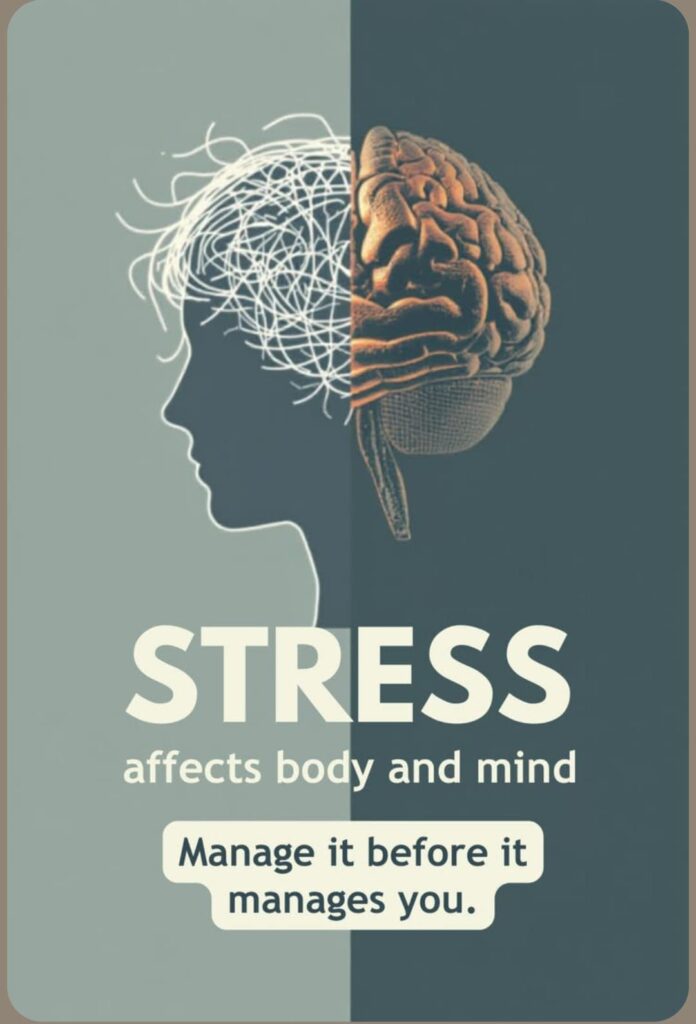
Stress is not simply feeling overwhelmed. It is a specific, well-characterised physiological response — a cascade of hormonal and neurological events initiated by your brain’s threat-detection system in response to perceived demands that exceed perceived resources.
When your brain registers a stressor — real, anticipated, or imagined — the hypothalamus activates the sympathetic nervous system within milliseconds, triggering the release of adrenaline (epinephrine) and noradrenaline from the adrenal glands. These hormones produce the immediate stress response: elevated heart rate, rapid breathing, heightened alertness, and redirected blood flow toward muscles.
Simultaneously, the HPA axis — the hypothalamic-pituitary-adrenal system — begins a slower cascade that culminates in cortisol release from the adrenal cortex. Cortisol mobilises energy, suppresses non-essential functions including immune activity and digestion, and prepares the body for sustained effort.
In acute, time-limited situations, this system is lifesaving. The problem arises when the system stays activated chronically — when stressors are persistent, when recovery is insufficient, and when the off-switch does not engage. Chronic cortisol elevation produces the allostatic load — the cumulative biological cost of sustained stress — that underlies anxiety, burnout, sleep disruption, immune dysfunction, cardiovascular risk, and cognitive impairment.
Every effective stress management strategy works by interrupting this cascade at one or more points — either reducing the initial stress signal, accelerating the deactivation response, or building the physiological resilience that prevents the cascade from running unchecked.
Eustress vs Distress — Why Not All Stress Is Your Enemy
Before diving into strategies, one critical distinction deserves emphasis. Eustress — the positive, motivating form of stress — is not something you want to eliminate. It sharpens attention, drives performance, and creates the sense of engaged challenge that produces meaning and growth.
The goal of stress management is not to create a stress-free life. It is to keep the stress response calibrated to reality, to build sufficient recovery between demands, and to prevent the accumulation that transforms eustress into the chronic distress that damages health. Harvard Health research from January 2026 describes this as building an antifragile mindset — the capacity for calm, decisive action under pressure that enables you to grow through challenge rather than being diminished by it.
The 12 Stress Management Strategies — Ranked by Speed of Effect
These strategies are deliberately organised from fastest to slowest in their stress reduction effect — because the right tool for an acute stress spike is different from the right tool for building long-term resilience.
Strategy 1 — The Physiological Sigh (Fastest: Seconds)
This is the single fastest stress management strategy available — and most people have never heard of it, even though their body performs it automatically during sleep.
Dr. Andrew Huberman of Stanford University and his colleague Dr. Jack Feldman of UCLA identified the physiological sigh — a double inhale through the nose followed by a long exhale through the mouth — as the most rapid way to reduce physiological stress and restore calm available to conscious control.
The mechanism is specific. During stress, small air sacs in the lungs called alveoli collapse slightly. The double inhale re-inflates them, simultaneously stretching the lung tissue and stimulating the vagus nerve in ways that accelerate parasympathetic activation. The extended exhale then completes the parasympathetic shift by activating the cardiac vagal brake — literally slowing the heart rate within one breath.
To use it: Inhale through your nose. Then, without exhaling, inhale again to completely fill your lungs. Then exhale slowly and fully through your mouth. One cycle is sufficient for immediate effect. This takes approximately 8 seconds.
Strategy 2 — Cold Water on the Face (Fastest: Seconds to Minutes)
As covered in our guides on anxiety and panic, cold water applied to the face triggers the mammalian dive reflex — a hardwired biological response that immediately reduces heart rate and cortisol through direct vagus nerve stimulation. It requires no equipment, no training, and no time commitment beyond 15–30 seconds.
Splash cold water on your face and hold your breath for 15–30 seconds, or submerge your face briefly in a bowl of cold water. The parasympathetic shift begins within seconds. This is a genuine emergency stress management tool — not a metaphor.
Strategy 3 — Box Breathing (Effect: 2–5 Minutes)
Box breathing — 4 counts in, 4 hold, 4 out, 4 hold — is the most widely validated breathing-based stress management strategy and the one with the broadest application across acute and sustained stress situations. It directly activates the vagus nerve and stimulates the baroreflex — the body’s blood pressure regulation system — producing measurable reductions in cortisol, heart rate, and sympathetic nervous system activity within 2–5 minutes of consistent practice.
The mechanism behind its effectiveness for stress management is the same across all controlled breathing techniques: a longer exhale relative to inhale signals safety to the nervous system, because exhale is associated with parasympathetic dominance while inhale is associated with sympathetic activation. Box breathing balances these, while the holds amplify the effect.
Strategy 4 — Microbreaks Throughout the Day (Effect: 5–10 Minutes)
2026 research from Sutter Health identified microbreaks — short, deliberate pauses of 5 minutes or less taken consistently throughout the day — as more effective than long vacations at preventing daily stress build-up and burnout. That finding upends the conventional wisdom that stress management requires significant time investment.
The mechanism is straightforward. Sustained cognitive and emotional effort without recovery leads to progressive accumulation of stress hormones and attentional fatigue. Brief, complete disengagement — stepping outside, making a cup of tea, doing a brief body scan, or simply sitting in silence for 5 minutes — allows cortisol to partially clear and attentional resources to partially restore between demands.
Practical implementation:
- Set a timer for every 60–90 minutes of sustained work
- Step completely away from your screen and your task
- Move your body briefly — even a 2-minute walk produces measurably lower cortisol than remaining seated
- Return only when the timer ends — not when you feel you should
Strategy 5 — Physical Movement — Calibrated Correctly (Effect: 20–60 Minutes)
Exercise is one of the most consistently evidence-based stress management strategies available. A brisk 20-minute walk outside, especially in green spaces, measurably lowers cortisol significantly more than walking indoors. The stress management mechanism of exercise operates through multiple pathways simultaneously: direct cortisol metabolism, endorphin release, GABA upregulation, and the attentional shift from internal rumination to external physical engagement.
However, the calibration of exercise intensity matters significantly for stress management specifically. Research consistently shows that high-intensity exercise performed during periods of already-elevated cortisol can add further physiological stress rather than relieving it. During acute stress periods or burnout, low-to-moderate intensity rhythmic movement — walking, swimming, yoga, cycling — is more effective for stress management than high-intensity training.
The stress management sweet spot:
- 20–30 minutes of moderate aerobic movement, 4–5 times per week
- Outdoors and in natural environments where possible
- At times when cortisol is not already acutely elevated — avoid vigorous exercise immediately after highly stressful events
Strategy 6 — Nature Exposure (Effect: 20–30 Minutes)
Separate from the exercise component of outdoor movement, time in natural environments produces specific, measurable stress management benefits that indoor exercise does not replicate. Research consistently finds that 20 minutes in a natural setting reduces cortisol significantly more than equivalent time in urban environments.
The mechanism appears to involve the parasympathetic activation produced by natural sensory input — birdsong, natural light variation, the sounds and visual complexity of natural landscapes — combined with the attentional restoration that natural environments uniquely provide.
For stress management specifically:
- Prioritise outdoor exercise over indoor equivalents whenever possible
- Take at least one meal per week outdoors in a natural setting
- Access green space during your lunch break as a deliberate stress management strategy
Strategy 7 — Cognitive Reappraisal — Changing the Meaning of the Stressor
Cognitive reappraisal — one of the most extensively researched stress management strategies in psychology — involves consciously reframing the meaning of a stressor rather than attempting to suppress your response to it.
Research by James Gross of Stanford University found that cognitive reappraisal reduces both the subjective experience of stress and its physiological markers — including cortisol and inflammatory cytokines — while emotional suppression increases both. It is one of the core distinctions between adaptive and maladaptive stress management.
Reappraisal questions for stress management:
- Is this a threat — or a challenge I have the resources to meet?
- What would I need to believe about this situation for it to feel manageable rather than overwhelming?
- In what way might this difficulty produce growth, learning, or clarity that I could not access without it?
- What would I tell a close friend in this same situation?
Reappraisal does not deny the reality of the stressor. It shifts its perceived meaning — and that shift produces measurable neurological and physiological changes that make it one of the most durable stress management tools available.
Strategy 8 — Social Connection as Stress Management
The tend-and-befriend response — identified by Dr. Shelley Taylor of UCLA — is a stress management pathway activated specifically through social connection. When you reach out to a trusted person during stress, oxytocin is released, which directly counters the cortisol elevation of the stress response and activates the parasympathetic nervous system.
Research on the social buffering of stress — the measurable reduction in cortisol that occurs when stress is experienced in the company of a trusted person — demonstrates that genuine human connection is one of the most powerful stress management strategies available. Even brief, genuine social contact during acute stress produces physiological effects that hours of solo stress management practices cannot fully replicate.
Strategy 9 — Progressive Muscle Relaxation (Effect: 15–20 Minutes)
Progressive muscle relaxation (PMR) — the systematic tensing and releasing of muscle groups from feet to head — produces parasympathetic nervous system activation through a mechanism called reciprocal inhibition: the neurological impossibility of simultaneous muscle tension and relaxation.
Research published in Journal of Behavioral Medicine finds PMR significantly reduces cortisol, lowers blood pressure, improves sleep onset, and reduces the somatic tension that both accompanies and maintains chronic stress. A single 15-minute session produces measurable physiological changes. Daily practice over 4–6 weeks produces lasting HPA axis recalibration.
Strategy 10 — Nutritional Stress Management (Effect: Days to Weeks)
Diet and stress management are more tightly linked than most people recognise. Chronic stress depletes several nutrients that are directly involved in stress response regulation — particularly magnesium, omega-3 fatty acids, B vitamins, and vitamin C.
Evidence-based nutritional stress management:
- Magnesium glycinate (200–400mg before bed) — research in Nutrients Journal confirms magnesium supplementation reduces cortisol and improves stress response regulation in deficient adults
- Omega-3 fatty acids (1–2g EPA daily) — multiple meta-analyses find significant reductions in anxiety and stress reactivity
- Reducing caffeine after 12pm — caffeine extends cortisol elevation significantly beyond the acute stress event it accompanies
- Stabilising blood sugar through consistent meal timing — blood glucose instability activates cortisol release independently of psychological stress
Our eating habits and mental health guide covers the complete nutritional stress management framework.
Strategy 11 — Sleep as the Primary Stress Recovery Mechanism
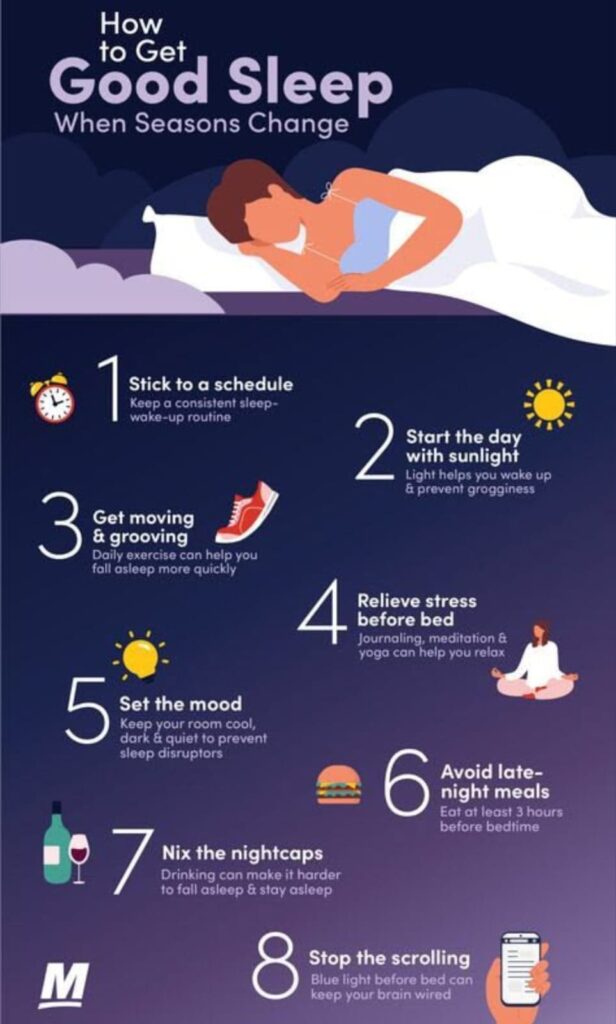
Sleep and stress exist in the same self-reinforcing cycle as many other mental health factors — stress disrupts sleep, and sleep deprivation elevates stress. Research by Dr. Matthew Walker of UC Berkeley demonstrates that sleep-deprived individuals show 60% greater amygdala reactivity to stressors — meaning every additional stressor the following day lands harder on a sleep-deprived nervous system.
Treating sleep as the foundation of your stress management strategy — rather than as a variable to be compromised when demands increase — is one of the most effective long-term stress management interventions available. Our comprehensive sleep optimization guide provides the complete framework.
Strategy 12 — Build Stress Inoculation Through Deliberate Challenge
The most sophisticated stress management strategy — and the one that produces the most durable long-term resilience — is stress inoculation: the deliberate, calibrated exposure to manageable stressors in order to train your physiological stress response to activate and resolve more efficiently.
The principle comes from stress inoculation training developed by Dr. Donald Meichenbaum — and from Harvard Health’s January 2026 description of the antifragile mindset: the capacity to grow through challenge rather than simply recovering from it.
Practical stress inoculation for everyday life includes cold water exposure, high-intensity exercise performed during controlled windows, deliberate engagement with moderately uncomfortable social situations, and the consistent practice of skills at the edge of your current competence. Each controlled stressor trains your HPA axis to activate more efficiently and recover more completely — progressively raising your stress tolerance ceiling.

Management Strategies — Key Takeaways
The 12 strategies ranked by speed of effect:
Immediate (seconds):
- Physiological sigh — double inhale, long exhale
- Cold water on face — mammalian dive reflex activation
Fast (2–10 minutes):
3. Box breathing — 4-4-4-4 vagus nerve stimulation
4. Microbreaks — 5 minutes every 60–90 minutes
Medium (20–60 minutes):
5. Physical movement — 20–30 minutes moderate intensity outdoors
6. Nature exposure — 20 minutes in natural environment
Sustained (ongoing practice):
7. Cognitive reappraisal — changing the meaning of stressors
8. Social connection — tend-and-befriend cortisol buffering
9. Progressive muscle relaxation — 15 minutes daily
10. Nutritional support — magnesium, omega-3, blood sugar stability
11. Sleep optimisation — the foundation of stress recovery
12. Stress inoculation — deliberate challenge builds antifragility
A Word From mindnesto-
At mindnesto, we believe the most important thing about stress management is selecting the right tool for the right moment. The physiological sigh during an acute crisis. Microbreaks throughout a demanding day. Nutritional and sleep foundations maintained consistently across weeks and months. And stress inoculation built gradually across years.
Stress is not going away. The world in 2026 generates it in new and sophisticated ways every week. What can change is your relationship with that stress — your biological resilience, your cognitive flexibility, and your repertoire of specific, targeted responses to specific stress signals.
That repertoire is what this guide gives you. Use it deliberately. Build it consistently. 💙
→ Read next: Burnout Prevention — 12 Science-Backed Strategies
→ Also read: Sleep Optimization — Your Most Important Recovery Tool
Frequently Asked Questions
What are the most effective stress management strategies?
The most effective stress management strategies vary by timeframe and mechanism. For immediate relief — within seconds — the physiological sigh (double inhale, long exhale) and cold water on the face produce the fastest measurable parasympathetic activation. For acute stress within minutes, box breathing and movement breaks are the most evidence-backed. For sustained chronic stress management, sleep optimisation, regular moderate exercise, nutritional support, and cognitive reappraisal produce the most durable outcomes. The most effective overall approach combines strategies from multiple timeframes rather than relying on a single intervention.
How does exercise reduce stress?
Exercise reduces stress through multiple biological pathways simultaneously. It directly metabolises cortisol and adrenaline — the primary stress hormones — through their use during physical effort. It increases GABA production — the brain’s primary calming neurotransmitter. It activates endorphin and BDNF release — improving mood and cognitive function. It shifts attention from internal rumination to external physical engagement, interrupting the overthinking loops that maintain stress. For stress management specifically, low-to-moderate intensity rhythmic exercise — walking, swimming, cycling — is more effective than high-intensity training when cortisol is already elevated.
What reduces cortisol quickly?
The fastest cortisol-reducing interventions are the physiological sigh, cold water facial immersion, and box breathing — all producing measurable cortisol reductions within seconds to minutes through vagus nerve activation. Over slightly longer timeframes, 20 minutes of outdoor walking in a natural environment reduces cortisol measurably more than indoor exercise. Social connection with a trusted person reduces cortisol through oxytocin release. Magnesium glycinate before bed reduces overnight cortisol and the cortisol awakening response the following morning.
Can stress management strategies change the brain?
Yes — directly and measurably. Research on mindfulness-based stress management demonstrates structural changes in the amygdala, prefrontal cortex, and anterior cingulate cortex after 8 weeks of consistent practice. Exercise produces hippocampal neurogenesis — the growth of new neurons in the memory and emotion regulation centre. Sleep optimisation restores prefrontal cortex function impaired by chronic stress. These neurological changes are not temporary mood improvements — they represent genuine structural brain changes produced by consistent stress management practice.
When should I seek professional help for stress?
Professional support for stress management is appropriate when stress has been persistent for more than 4–6 weeks without improvement, when it is significantly affecting your sleep, relationships, work performance, or physical health, when you are using alcohol or substances to manage it, or when it is accompanied by symptoms of anxiety or depression. Your GP is the most appropriate first point of contact in the UK — they can assess for contributing medical factors and refer to relevant support. In the USA, the ADAA therapist finder connects you with stress and anxiety specialists.
Sources and External References
- WHO — Stress Management Guidelines
- NHS — Stress Relief and Management
- CDC — Coping With Stress
- Harvard Health — Antifragile Mindset 2026
- Global Wellness Institute — Mental Wellness Trends 2026
- Nutrients Journal — Magnesium and Cortisol
- Journal of Behavioral Medicine — PMR Research
- Frontiers in Psychology — Stress Neuroscience
- JAMA Internal Medicine — Stress and Health
- Mind UK — Stress
- Mental Health Foundation — Stress
- NHS Talking Therapies
- ADAA — Find a Therapist
- CAMH Canada
- Beyond Blue Australia
- NAMI USA