




By mindnesto Editorial Team · Updated June 2026 · 12 min read
Reviewed for medical accuracy — sources cited from Frontiers in Aging Neuroscience July 2026, Brain and Behavior 2026, APA, NHS, WHO, Eagle Hill 2025, Gallup 2026 and peer-reviewed research
You wake up tired, even after a full night’s sleep.
Your motivation disappears.
Tasks that once felt manageable now seem overwhelming.
You struggle to focus, lose patience more easily, and wonder whether you’re simply “not working hard enough.”
If this sounds familiar, you may be experiencing more than ordinary stress.
You could be moving toward burnout.
Burnout is not simply having a difficult week at work. It develops gradually after prolonged exposure to unmanaged workplace stress. Left unaddressed, it can affect mental health, physical wellbeing, relationships, and job performance.
The encouraging news is that burnout is not inevitable.
With the right habits, supportive workplace practices, and early awareness, many people can reduce their risk and build healthier, more sustainable careers.
This guide explores what burnout is, why it happens, early warning signs, and evidence-based strategies to help individuals and organizations create healthier workplaces.
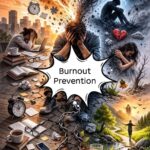
Burnout prevention at the workplace involves recognizing early signs of chronic stress, setting healthy work boundaries, prioritizing recovery, improving communication, managing workload effectively, and creating supportive work environments. Preventing burnout benefits both employees and organizations by improving wellbeing, engagement, and long-term performance.
What Is Workplace Burnout?
The World Health Organization (WHO) describes burnout as an occupational phenomenon resulting from chronic workplace stress that has not been successfully managed. It is characterized by emotional exhaustion, increased mental distance from work or feelings of negativity toward one’s job, and reduced professional effectiveness.
Burnout is not classified as a medical condition by the WHO. Instead, it is recognized as a work-related phenomenon that can significantly affect wellbeing and performance.
Unlike temporary stress, burnout develops gradually.
Many people continue working while ignoring early warning signs until exhaustion becomes difficult to manage.
Understanding these signs early is the first step toward prevention.
Burnout vs. Everyday Stress
Stress and burnout are often used interchangeably, but they are not the same.
Stress usually involves feeling overwhelmed because demands temporarily exceed available resources.
Burnout goes further.
It often involves emotional exhaustion, detachment, reduced motivation, and a sense that personal efforts no longer make a meaningful difference.
Someone experiencing stress may still believe things will improve after completing a major project or meeting a deadline.
Someone experiencing burnout often feels emotionally depleted even when immediate pressures decrease.
Recognizing this difference helps individuals seek support before chronic stress develops into burnout.
Why Burnout Is Becoming More Common
Modern workplaces have changed significantly.
Digital communication keeps many employees connected long after the workday ends.
Remote and hybrid work have created new opportunities but also blurred the boundaries between work and personal life.
Economic uncertainty, staffing shortages, and increasing performance expectations have added further pressure.
Many employees now feel they must remain constantly available to demonstrate commitment.
This culture can gradually reduce opportunities for rest, recovery, and meaningful personal time.
Over time, unmanaged stress may contribute to burnout if healthy boundaries and recovery practices are not maintained.
Common Causes of Workplace Burnout
Burnout rarely has a single cause.
Instead, it usually develops through a combination of workplace demands and personal circumstances.
Excessive Workload
Consistently working long hours without adequate recovery increases the risk of emotional exhaustion.
Occasional busy periods are normal.
Persistent overload is not.
Lack of Control
Employees who have little influence over schedules, priorities, or decision-making often experience higher stress levels.
Feeling powerless can reduce motivation and increase frustration.
Unclear Expectations
Confusing job responsibilities create unnecessary pressure.
People perform better when expectations, goals, and responsibilities are clearly communicated.
Limited Recognition
Recognition does not always require financial rewards.
Simple appreciation and constructive feedback help employees feel valued and connected to their work.
Poor Work-Life Balance
When work consistently replaces family time, hobbies, exercise, sleep, or social connection, recovery becomes difficult.
Healthy performance depends on regular periods of rest.
Workplace Conflict
Unresolved interpersonal conflict can increase emotional strain.
Respectful communication and psychological safety are essential for healthy teams.
Early Warning Signs of Workplace Burnout
Burnout rarely appears overnight.
Instead, it develops gradually through repeated exposure to unmanaged stress. Recognizing the early warning signs can help you take action before burnout begins affecting your health, relationships, and career.
Constant Fatigue
Feeling tired after a demanding week is normal.
Feeling exhausted every day, even after adequate sleep, is different.
Persistent fatigue may indicate that your body and mind are struggling to recover from ongoing stress.
The National Health Service (NHS) https://www.nhs.uk/mental-health/explains that chronic stress can affect both physical and mental wellbeing, making recovery more difficult if healthy coping strategies are not in place
Reduced Motivation
One of the earliest signs of burnout is losing enthusiasm for work that once felt meaningful.
You may notice that:
- Starting simple tasks feels difficult.
- You procrastinate more often.
- You feel emotionally detached from projects.
- Achievements no longer feel rewarding.
This decline often happens gradually rather than suddenly.
Difficulty Concentrating
Burnout affects cognitive performance.
Many people experience:
- Forgetfulness.
- Poor concentration.
- Reduced creativity.
- Slower decision-making.
Research suggests prolonged stress can influence attention and working memory, making routine work feel more demanding than usual.
Increased Irritability
Small inconveniences begin to feel overwhelming.
You may become impatient with colleagues, family members, or clients despite recognizing that your reactions feel out of character.
Emotional exhaustion often reduces patience because mental resources are already depleted.
Physical Symptoms
Burnout is not only emotional.
It may also contribute to:
- Frequent headaches.
- Muscle tension.
- Digestive discomfort.
- Sleep disturbances.
- Increased susceptibility to illness.
These symptoms can have many causes, so persistent concerns should be discussed with a qualified healthcare professional.
How Burnout Affects Mental and Physical Health
Burnout influences far more than workplace performance.
It can affect multiple areas of daily life.
Mental Health
People experiencing burnout may report:
- Feeling emotionally drained.
- Reduced confidence.
- Difficulty enjoying hobbies.
- Increased anxiety.
- Feeling disconnected from colleagues.
Burnout is not the same as depression or an anxiety disorder, although symptoms may overlap. A mental health professional can help determine the most appropriate assessment and support.
The American Psychological Association (APA) provides practical resources on stress management and resilience.https://www.apa.org/topics/stress
Physical Wellbeing
Chronic workplace stress may also contribute to:
- Elevated blood pressure.
- Poor sleep quality.
- Fatigue.
- Reduced immune function.
- Changes in appetite.
The impact varies between individuals, but maintaining healthy recovery habits becomes increasingly important during prolonged periods of stress.
Evidence-Based Burnout Prevention Strategies
Preventing burnout requires consistent habits rather than occasional breaks.
The goal is to manage stress before it becomes chronic.
Set Clear Work Boundaries
Technology has blurred the line between work and personal life.
Whenever possible:
- Avoid checking work emails outside agreed working hours.
- Schedule regular breaks.
- Use annual leave.
- Protect time for family and hobbies.
Healthy boundaries support long-term productivity rather than reducing it.
Prioritize Recovery
Recovery is essential for sustained performance.
Recovery includes:
- Quality sleep.
- Regular physical activity.
- Time outdoors.
- Social connection.
- Relaxation.
- Enjoyable hobbies.
The World Health Organization (WHO) emphasizes that healthy workplaces support both physical and mental wellbeing.
Improve Time Management
Not every task requires immediate attention.
Consider:
- Prioritizing high-impact work.
- Breaking large projects into smaller steps.
- Delegating when appropriate.
- Scheduling focused work periods.
- Limiting unnecessary meetings.
Working longer hours does not always improve productivity.
Working more intentionally often does.
Learn to Say No Respectfully
Accepting every request can quickly become overwhelming.
Respectfully declining additional responsibilities when your workload is already full demonstrates healthy professional boundaries.
Examples include:
- “I’d like to help, but my current priorities won’t allow me to give this the attention it deserves.”
- “Can we discuss timelines before I take on another project?”
Setting boundaries protects both quality and wellbeing.
Develop Stress Management Skills
Stress cannot always be avoided.
However, healthy coping strategies improve resilience.
These include:
- Deep breathing exercises.
- Mindfulness practices.
- Journaling.
- Regular exercise.
- Spending time with supportive friends and family.
Mindfulness is not a cure for burnout.
It is one practical tool that may help people manage stress more effectively alongside other healthy habits.
What Employers Can Do to Prevent Burnout
Burnout prevention is not solely an employee’s responsibility.
Healthy organizations recognize that workplace systems influence wellbeing.
Promote Psychological Safety
Employees should feel comfortable asking questions, sharing concerns, and discussing workload challenges without fear of embarrassment or retaliation.
Psychological safety encourages collaboration and early problem-solving.
Encourage Flexible Working When Possible
Flexible schedules can improve work-life balance for many employees.
Every workplace is different, but flexibility often helps people manage family responsibilities, commuting, and personal wellbeing more effectively.
Recognize Employee Contributions
Recognition strengthens engagement.
Simple appreciation can improve morale and reinforce positive workplace culture.
Recognition should be genuine, timely, and specific.
Provide Mental Health Resources
Organizations can support employees by offering:
- Employee Assistance Programs (EAPs).
- Mental health education.
- Access to counselling services.
- Manager training.
- Wellbeing initiatives.
The National Institute for Occupational Safety and Health (NIOSH) recommends organizational approaches that reduce excessive workload and improve workplace support.
What Employees Can Do Every Day to Prevent Burnout
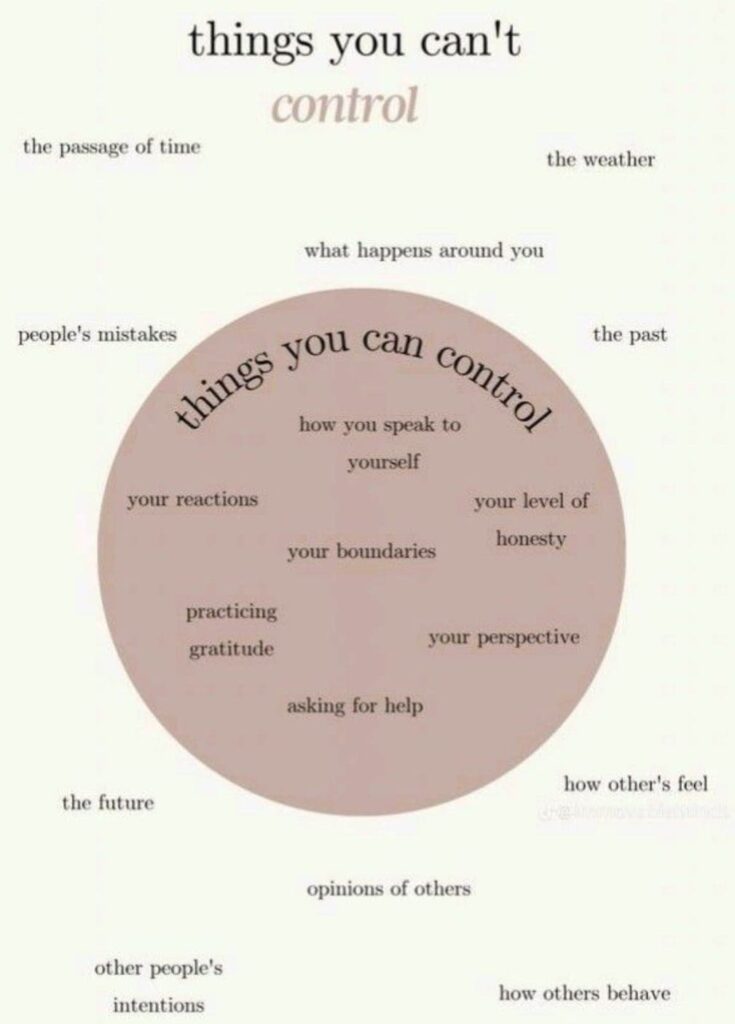
Preventing burnout is not about making one major lifestyle change.
It is about building small, sustainable habits that protect your mental and physical wellbeing over time.
Start the Day With Clear Priorities
Many professionals begin their day by checking emails or responding to messages.
Instead, identify your three most important tasks before opening your inbox.
This simple habit helps you focus on meaningful work instead of reacting to every notification.
A realistic plan also reduces decision fatigue and helps you maintain a sense of progress throughout the day.
Take Regular Breaks
Working continuously does not guarantee better results.
Research consistently shows that short, intentional breaks improve concentration and reduce mental fatigue.
Consider:
- Standing up every hour.
- Stretching for a few minutes.
- Walking outside during lunch.
- Looking away from your screen to reduce eye strain.
Small breaks allow your brain to recover and return with better focus.
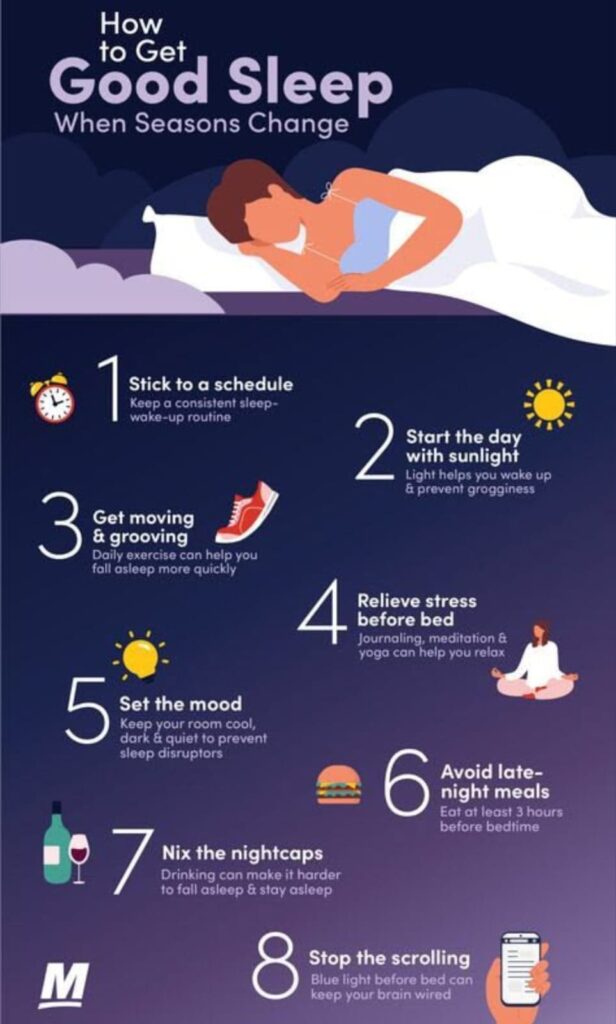
Protect Your Sleep
Sleep is one of the most effective tools for preventing burnout.
Adults generally benefit from consistent, high-quality sleep, although individual needs vary.
Healthy sleep habits include:
- Maintaining a regular bedtime.
- Limiting caffeine late in the day.
- Reducing screen time before bed.
- Keeping your bedroom cool, dark, and quiet.
For more practical strategies, read The Science of Better Sleep on Mindnesto.
Stay Physically Active
Exercise supports both physical and mental wellbeing.
You do not need an intense workout every day.
Walking, cycling, yoga, swimming, or strength training can all contribute to improved mood and reduced stress.
Regular movement also helps counteract the physical effects of prolonged sitting.
Build Strong Workplace Relationships
Supportive colleagues make challenging days easier to manage.
Positive workplace relationships encourage collaboration, reduce isolation, and create opportunities to solve problems together.
Simple habits include:
- Offering help when appropriate.
- Expressing appreciation.
- Listening respectfully.
- Celebrating team achievements.
Healthy workplaces are built through everyday interactions.
Burnout Recovery vs. Burnout Prevention
Although related, recovery and prevention are not the same.
Burnout Prevention
Burnout prevention focuses on reducing chronic stress before emotional exhaustion develops.
It includes:
- Healthy boundaries.
- Time management.
- Regular recovery.
- Supportive leadership.
- Open communication.
Burnout Recovery
Recovery begins after burnout has already affected wellbeing.
Recovery may involve:
- Reducing workload.
- Taking annual leave.
- Seeking professional support.
- Improving sleep habits.
- Rebuilding healthy routines.
- Addressing workplace challenges.
Recovery takes time.
Trying to “push through” burnout often prolongs the healing process.
Common Myths About Workplace Burnout
Misunderstanding burnout can prevent people from seeking help or making healthy changes.
Let’s examine some common myths.
1: Burnout Only Affects Weak People
Burnout can affect anyone.
Dedicated, highly motivated professionals sometimes experience burnout because they consistently invest significant energy in their work without adequate recovery.
Burnout is not a sign of weakness.
It is a sign that chronic stress has exceeded available resources.
2: Taking a Vacation Solves Burnout
A short holiday may temporarily reduce stress.
However, returning to the same unhealthy workload and workplace culture often causes burnout symptoms to return.
Long-term prevention requires sustainable changes rather than temporary relief.
3: Working Longer Hours Improves Performance
Productivity and hours worked are not the same.
Mental fatigue reduces concentration, creativity, and decision-making.
Working smarter often produces better results than working longer.
4: Burnout Is Just Stress
Stress and burnout overlap, but they are different experiences.
Stress often involves excessive demands.
Burnout involves emotional exhaustion, detachment, and reduced effectiveness after prolonged exposure to unmanaged stress.
Understanding this distinction encourages earlier intervention.
Building a Burnout-Resilient Workplace Culture
Organizations play a critical role in protecting employee wellbeing.
Leaders who prioritize mental health create healthier and more productive teams.
Healthy workplace cultures encourage:
- Open communication.
- Respectful leadership.
- Realistic workloads.
- Continuous learning.
- Recognition and appreciation.
- Flexible working where possible.
- Access to mental health support.
The World Health Organization highlights that promoting mental health at work benefits employees, organizations, and society as a whole. You can learn more through the WHO’s workplace mental health resources.
Frequently Asked Questions
What is workplace burnout?
Workplace burnout is an occupational phenomenon linked to chronic workplace stress that has not been successfully managed. It commonly involves emotional exhaustion, increased mental distance from work, and reduced professional effectiveness.
What are the first signs of burnout?
Early signs often include persistent fatigue, reduced motivation, irritability, difficulty concentrating, poor sleep, and feeling emotionally detached from work.
How can I prevent burnout while working full-time?
Prioritize healthy boundaries, take regular breaks, protect your sleep, stay physically active, communicate openly about workload, and make time for meaningful recovery outside work.
Can burnout affect physical health?
Yes.
Burnout may contribute to headaches, muscle tension, sleep disturbances, digestive issues, and other stress-related symptoms.
Persistent symptoms should always be discussed with a healthcare professional.
Should I quit my job if I feel burned out?
Not necessarily.
Many people benefit from adjusting workload, improving communication, setting boundaries, or seeking professional guidance before making major career decisions.
If your workplace consistently harms your wellbeing despite reasonable efforts to improve the situation, it may be appropriate to explore other opportunities.
A Word From mindnesto
At mindnesto, we think the most important reframe Burnout is not a personal failure.
It is often the result of prolonged workplace stress combined with insufficient recovery and support.
The encouraging news is that burnout can often be prevented through intentional habits, healthy workplace practices, and early recognition of warning signs.
Individuals benefit from protecting their time, prioritizing recovery, maintaining supportive relationships, and communicating openly about workload.
Organizations also share responsibility by creating psychologically safe environments, recognizing employee contributions, and promoting sustainable work practices.
Success should never come at the expense of your health.
A fulfilling career is one that allows you to grow professionally while protecting your mental, emotional, and physical wellbeing.
Small, consistent changes today can help prevent burnout tomorrow.