




By mindnesto Editorial Team · Updated November 2026 · 10–12 min read · Reviewed for evidence-informed mental wellbeing
Anger can rise in seconds. One unexpected comment, a disagreement, a stressful situation, or a message that feels disrespectful can change your mood almost instantly. Your heart may beat faster, your muscles may tighten, and your thoughts may become difficult to control. In that moment, you might feel an overwhelming urge to argue, shout, walk away, or say something you later regret.
But what if you could create a little space between feeling angry and reacting to it?
Learning how to calm down when you’re angry does not mean pretending everything is fine. It does not mean accepting unfair treatment, ignoring your feelings, or allowing other people to cross your boundaries. It means learning to manage your emotional response so that you can decide what to do instead of letting an intense moment make the decision for you.
Anger is a normal human emotion. However, when it becomes difficult to manage, it can affect relationships, communication, work, and everyday wellbeing. The encouraging part is that emotional regulation is a skill that can be practised. Small actions, repeated consistently, can help you recognise anger earlier and respond more thoughtfully.
This guide explores 12 practical ways to calm down, manage physical tension, challenge unhelpful thoughts, and communicate more constructively.
How Can You Calm Down When You’re Angry?
The fastest way to begin calming anger is to stop reacting, take slow controlled breaths, and create distance from the immediate trigger. Count slowly, relax your shoulders, and return to the conversation only when you can speak without threatening, insulting, or hurting anyone.
Why Is It So Difficult to Calm Down When You’re Angry?
Have you ever known that you should remain calm but still found yourself reacting emotionally? Perhaps you understood that an argument was becoming unproductive, yet you could not stop yourself from responding. This experience can happen because anger involves more than a conscious decision. It can involve physical arousal, emotional memories, stressful thoughts, and a perceived threat to something important to you.
When you feel angry, your attention may become concentrated on the situation that upset you. You might repeatedly think about what someone said, imagine what you should have said, or anticipate another disagreement. These thoughts can keep the emotional reaction active even after the original situation has changed. Trying to solve the entire problem while feeling overwhelmed can make it harder to think clearly.
The American Psychological Association describes calming as one way people manage anger. It involves reducing the internal emotional and physical intensity rather than simply hiding the outward expression. This distinction matters because remaining silent while internally replaying an argument is not necessarily the same as becoming calm.
What Happens in Your Body During Anger?
Anger can produce noticeable physical changes. Your heartbeat may become faster, your breathing may change, your shoulders may tighten, and your hands may clench. You might feel hot, restless, or unable to relax. Some people also notice that their voice becomes louder or that they interrupt others more frequently.
These reactions can make it difficult to pause and consider different explanations. For example, if someone does not respond to your message, you might immediately interpret the silence as disrespect. However, there may be other explanations. They could be busy, distracted, or dealing with something unrelated to you.
Recognising physical warning signs gives you an opportunity to respond earlier. You do not need to wait until you are shouting or arguing. A tense jaw, uncomfortable breathing, or repeated negative thoughts may already be enough reason to take a break.
12 Practical Ways to Calm Down When You’re Angry
1. Pause Before You Respond
One of the simplest ways to manage anger is to stop yourself from reacting immediately. When an argument becomes uncomfortable, the urge to defend yourself can feel automatic. You may want to send a long message, interrupt someone, or respond with an equally hurtful comment. However, an immediate response is not always the most useful response.
Try giving yourself a short pause before speaking or typing. You could count slowly, take a few comfortable breaths, or simply remind yourself that you do not have to answer immediately. This small delay can create room to consider the consequences of your next action.
For example, imagine receiving a critical message from a colleague. Your first reaction might be to defend your work or accuse the other person of being unfair. Instead of sending an angry reply, leave the message unanswered for a few minutes. Read it again when you feel less overwhelmed and decide which points actually need a response.
A pause is not an admission that the other person is right. It is a decision to protect your ability to respond thoughtfully.
2. Practise Slow, Controlled Breathing
Breathing exercises can help you focus on your body when anger begins to build. During an emotionally intense moment, your breathing may become quick or shallow. Slowing it down can provide a simple way to redirect your attention and encourage physical relaxation.
Try this gentle exercise:
- Sit or stand in a comfortable position.
- Breathe in slowly through your nose.
- Breathe out gently through your mouth.
- Allow the exhalation to be slightly longer than the inhalation if comfortable.
- Repeat for several cycles without forcing your breath.
You can also count quietly as you breathe. For example, count to four while breathing in and count to four or five while breathing out. Adjust the pace to what feels comfortable. Do not force yourself to hold your breath, and stop if you feel dizzy or uncomfortable.
The purpose is not to eliminate anger instantly. Instead, you are giving yourself a simple activity that can help interrupt the cycle of escalating thoughts and physical tension.
NHS inform recommends controlled breathing as one practical strategy for managing anger. Regular practice when you are relatively calm may make it easier to use the technique during stressful situations.
3. Take a Healthy Time-Out
Sometimes the most constructive decision is to leave a tense situation temporarily. If a conversation is becoming increasingly aggressive, continuing it may make the problem worse. A time-out gives both people an opportunity to regain control before discussing the issue again.
However, there is an important difference between taking a break and using silence to punish someone. A healthy time-out includes a clear intention to return to the conversation when you are ready.
You might say:
“I am getting upset, and I don’t want this conversation to become hurtful. I need some time to calm down. Let’s discuss it later.”
Then move to a quieter environment, take a short walk, or sit somewhere comfortable. Avoid using the break to rehearse the argument repeatedly or prepare another attack. Focus instead on reducing tension and understanding what you need from the conversation.
If possible, agree on a reasonable time to continue the discussion. This helps prevent the other person from interpreting your departure as abandonment or an attempt to avoid the issue.
A time-out is particularly useful when you notice that you are losing the ability to listen, think clearly, or communicate respectfully.
4. Relax Your Muscles
Anger can create physical tension that you may not notice until you deliberately pay attention. Your jaw might tighten, your shoulders may rise, and your hands may become clenched. Relaxing these areas can help you become more aware of your physical state.
Try a simple body check. Begin with your forehead and jaw, then move your attention to your shoulders, arms, hands, stomach, and legs. Notice where you are holding tension. Gently release the muscles rather than forcing them to relax.
You can also try progressive muscle relaxation. This involves gently tensing a muscle group and then releasing it. Work through different areas of your body, allowing yourself to notice the difference between tension and relaxation. Avoid tensing any area that causes pain or discomfort.
For example, if your shoulders feel tight, gently lift them towards your ears, hold briefly if comfortable, and then allow them to drop. Repeat slowly.
The aim is not to make your body completely relaxed in a few seconds. It is to recognise how physical tension accompanies emotional stress and practise releasing it safely.
5. Use the 5-4-3-2-1 Grounding Technique
When anger becomes intense, your attention can become trapped in the argument or situation that triggered it. Grounding exercises offer another focus by bringing your attention back to your immediate surroundings.
The 5-4-3-2-1 technique uses your senses:
- 5 things you can see: Notice objects, colours, shapes, or details around you.
- 4 things you can feel: Notice the chair beneath you, your feet on the floor, or the fabric of your clothing.
- 3 things you can hear: Listen for nearby or distant sounds.
- 2 things you can smell: Notice familiar scents in your environment.
- 1 thing you can taste: Notice the taste in your mouth or take a sip of water.
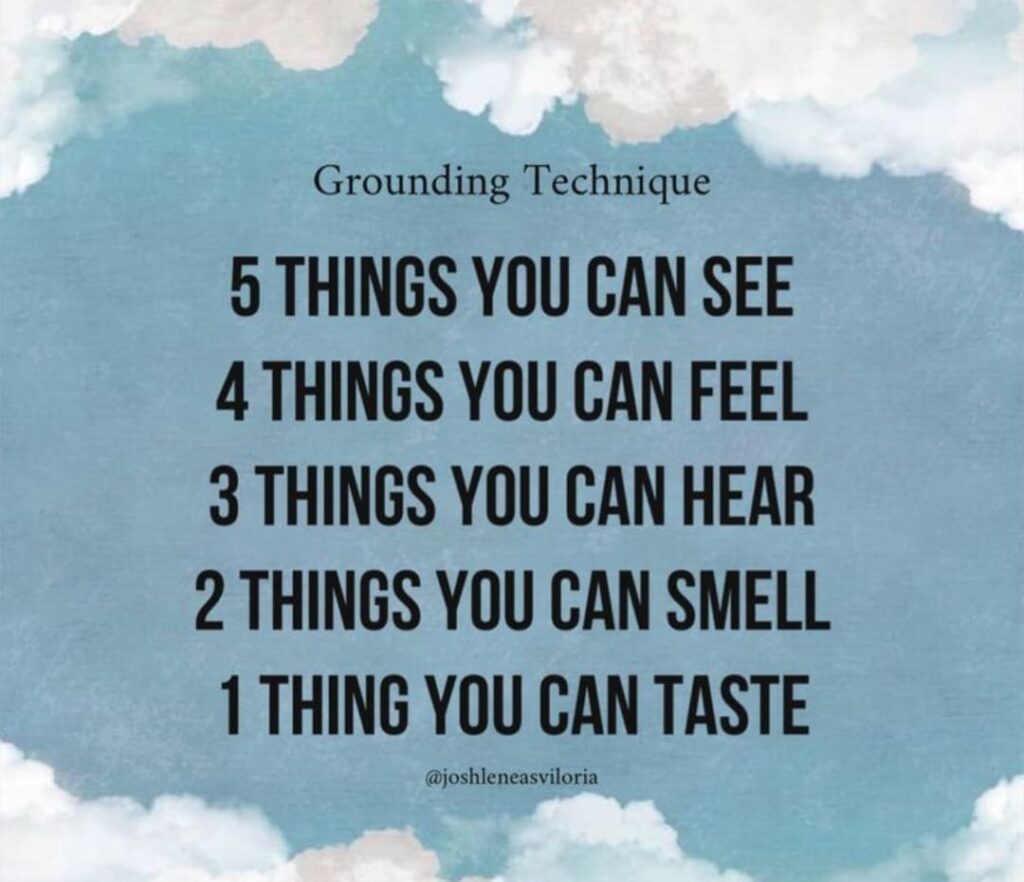
Move through the exercise slowly. There is no need to complete it perfectly. If you cannot identify something in one category, simply continue with the next step.
Grounding is not a way to prove that your anger is unreasonable. It is an attention exercise that may help you step away from repetitive thoughts for a moment.
Some people find it useful during arguments, while others prefer it after leaving a stressful situation. You can experiment with the technique and decide whether it suits you.
6. Change Your Physical Environment
Your surroundings can influence how you respond to a stressful situation. Remaining in the same room, looking at the same upsetting message, or repeatedly hearing an argument may keep your attention fixed on the trigger.
If it is safe and appropriate, change your environment temporarily. Move to another room, step outside, sit near a window, or take a short walk. If an online conversation is upsetting you, close the application and give yourself time away from the screen.
The goal is to create distance from the immediate trigger without avoiding an important issue indefinitely.
Imagine that you are having a disagreement at home. Both people are becoming frustrated, and every new sentence leads to another argument. Continuing the discussion may not help either person understand the problem. A short break can reduce the immediate pressure and make a more constructive conversation possible later.
If you are driving, do not continue driving while overwhelmed or distracted by anger. Find a safe place to stop first.
Changing your environment will not resolve every disagreement, but it can provide a useful opportunity to regain perspective.
7. Challenge Your First Angry Thought
Anger often comes with quick interpretations. You might think, “Nobody respects me,” “Everything always goes wrong,” or “They did that deliberately.” These thoughts can feel completely convincing when emotions are intense.
However, the first explanation that enters your mind is not necessarily the only possible explanation.
Try asking yourself three questions:
- What actually happened?
- What am I assuming about the situation?
- Is there another reasonable explanation?
For example, imagine a friend cancels a plan at the last minute. Your first thought might be, “They don’t value my time.” That interpretation may reflect how disappointed you feel, but it does not establish the person’s intention. Perhaps something unexpected happened.
This does not mean you should ignore repeated disrespect or accept behaviour that harms you. It means separating what you know from what you are assuming.
The American Psychological Association discusses cognitive restructuring as a way to replace unhelpful thinking patterns with more balanced interpretations. Avoiding absolute words such as “always” and “never” can also make disagreements less hostile.
Instead of saying, “You never listen to me,” you might say, “I felt unheard during our conversation earlier.”
The second statement communicates your experience without turning the disagreement into a personal attack.
8. Write Down What You Feel
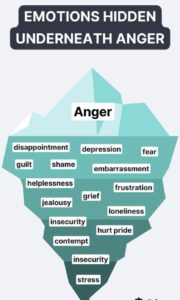
Sometimes anger becomes more confusing because several emotions are happening together. You might feel disappointed, embarrassed, worried, ignored, or overwhelmed. Writing can help you separate these experiences and identify what is actually bothering you.
You do not need an elaborate journal or a perfect writing routine. A notebook or private phone note is enough.
Start with a few simple prompts:
- What happened?
- What did I feel?
- What made the situation upsetting?
- What did I want or need at that moment?
- What could I do differently next time?
For example, you might write that a colleague interrupted you during a meeting. At first, you felt angry because you believed your contribution was being dismissed. After reflecting, you realised that you also felt embarrassed because other people were present.
That distinction can change how you approach the issue. Instead of starting another argument, you might decide to explain that you would like to finish your points during future meetings.
Writing is not a substitute for professional support when anger is seriously affecting your life. However, it can be a useful self-reflection activity for identifying repeated situations and emotional patterns.
9. Choose Movement Instead of Aggression
Anger can leave you feeling restless or physically tense. Safe movement may provide a constructive way to redirect your attention and reduce stress.
Depending on your circumstances, you could try walking, gentle stretching, cycling, swimming, yoga, or another activity you enjoy. Even a short walk can give you time away from an uncomfortable situation.
The purpose is not to punish your body or exhaust yourself. It is to choose a healthy activity instead of shouting, throwing objects, or directing frustration towards another person.
For example, after a stressful working day, you might notice that small interruptions are making you unusually irritable. Rather than carrying that frustration into a family conversation, take a short walk or stretch before returning to your routine.
Regular physical activity can also support general wellbeing and stress management. The NHS includes exercise among the strategies people can try when managing anger.
Choose activities that are appropriate for your fitness and health circumstances. If you feel unsafe or at risk of hurting someone, prioritise creating distance and obtaining immediate support rather than relying on exercise to manage the situation.
10. Use Calm, Assertive Communication
Calming down does not mean giving up your right to express concerns. You can disagree, establish boundaries, and explain that someone’s behaviour has affected you without becoming aggressive.
This is where assertive communication becomes useful.
Aggressive communication focuses on attacking, intimidating, or controlling another person. Passive communication may involve hiding your needs or avoiding every difficult conversation. Assertive communication aims to express your position clearly while respecting the other person’s right to speak.
Compare these examples:
| Reactive statement | More assertive alternative |
|---|---|
| “You never respect me!” | “I felt disrespected when you interrupted me.” |
| “Leave me alone!” | “I need a little time before continuing this conversation.” |
| “You always blame me!” | “I would like us to discuss what happened without blaming each other.” |
| “You don’t care about my feelings!” | “I want you to understand why this situation upset me.” |
Notice how the alternative statements describe a specific experience rather than attacking someone’s character.
Good communication also involves listening. Give the other person time to explain their perspective, ask questions when something is unclear, and avoid preparing your next argument while they are speaking.
You do not have to agree with everything someone says. You can listen, disagree respectfully, and still maintain your boundaries.
11. Identify What You Actually Need
Anger sometimes signals that something important needs attention. You may need respect, fairness, privacy, rest, support, reassurance, or a clearer boundary.
If you focus only on the person or event that upset you, you may miss the need underneath the emotion.
Consider this example: You become angry because someone repeatedly contacts you during your personal time. At first, you might feel that the person is deliberately disturbing you. After reflecting, you recognise that the real issue is a lack of separation between work and personal life.
The solution may not be another argument. You might need to establish a communication boundary, clarify your availability, or discuss expectations.
Ask yourself:
- What am I trying to protect?
- What feels unfair or uncomfortable?
- What change would make this situation better?
- Can I communicate that need clearly?
Not every situation can be changed immediately. Other people may disagree with your requests, and some circumstances are outside your control. Still, identifying your needs can help you choose a more constructive next step.
Anger becomes easier to understand when you look beyond the immediate reaction and consider the problem you are trying to address.
12. Practise Calming Skills When You’re Not Angry
One common mistake is waiting until an argument begins before trying a new emotional regulation technique. When you are already overwhelmed, it may be difficult to remember unfamiliar steps.
Instead, practise calming skills during ordinary parts of your day.
You could spend a few minutes practising comfortable breathing, take a regular walk, use a grounding exercise, or write down stressful thoughts. These activities do not need to become complicated routines. Consistency matters more than perfection.
You can also prepare a personal reminder for difficult moments. For example:
My pause plan:
- Notice the early signs of anger.
- Stop before sending a message or responding.
- Take a few slow breaths.
- Step away if the situation is becoming heated.
- Return to the problem when I can communicate safely.
The more familiar these actions become, the easier they may be to remember when you need them.
Progress does not mean that you will never feel angry again. It means gradually becoming more aware of your reactions and developing healthier ways to manage them.
What Should You Avoid Doing When You’re Angry?
Knowing what helps is important. Knowing what can make anger worse is equally valuable. Some reactions may provide temporary relief but create additional problems later.
Avoid sending messages while emotionally overwhelmed. An angry message can be saved, forwarded, or misunderstood. If the situation is not urgent, wait until you can communicate more clearly.
Avoid using insults or threats. Personal attacks rarely resolve the original problem. They can damage trust and make future conversations more difficult.
Avoid repeatedly replaying the argument. Thinking about an upsetting event can sometimes help you understand it. However, repeatedly rehearsing the same disagreement without reaching a useful conclusion may keep your frustration active.
Avoid using alcohol or drugs to manage anger. These substances can affect judgement and emotional control. They are not reliable ways to resolve the underlying problem.
Avoid taking anger out on yourself or other people. Self-harm, intimidation, physical aggression, and destruction of property are not safe emotional outlets. If you feel at risk of acting violently, create distance and seek immediate support.
Avoid expecting instant results. Emotional regulation takes practice. One difficult day does not mean that your efforts have failed.
The objective is not to suppress every uncomfortable feeling. It is to recognise anger, understand what it is communicating, and choose a response that does not create further harm.
How to Calm Down in Different Situations
The same technique may not work equally well in every environment. Your response may need to change depending on whether you are dealing with a family disagreement, workplace pressure, an online conflict, or frustration with yourself.
During a family argument: If emotions are escalating, pause the discussion and explain that you need time to settle down. Return to the issue when both people can speak without insults or intimidation.
At work: Avoid responding immediately to a critical email or comment. Read the message carefully, identify the specific concern, and prepare a professional response. If necessary, request a private conversation rather than arguing in front of colleagues.
During an online disagreement: Stop reading or replying temporarily. Social media can encourage immediate reactions, especially when comments feel personal. You are not required to answer every criticism or participate in every argument.
When you’re frustrated with yourself: Replace harsh self-criticism with a more balanced assessment. Instead of thinking, “I always fail,” identify what went wrong and what you can change next time.
When you’re overwhelmed by several responsibilities: Break the situation into smaller tasks. Take a short pause, decide what needs attention first, and avoid trying to solve every problem simultaneously.
In situations involving intimidation, violence, or immediate danger, calming techniques should not replace safety measures. Move to a safer place and seek appropriate help.
When Should You Seek Professional Support?
Occasional anger is a normal part of being human. However, if anger repeatedly affects your relationships, work, health, or everyday activities, additional support may be helpful.
Consider speaking with a qualified mental health professional or healthcare provider if you:
- Frequently lose control during disagreements.
- Feel that anger is damaging important relationships.
- Regularly experience intense irritability or frustration.
- Threaten, intimidate, or behave aggressively towards others.
- Struggle to calm down even after leaving stressful situations.
- Use alcohol or other substances to cope with anger.
- Feel that self-help techniques are not making a meaningful difference.
A professional can help explore possible contributing factors and discuss suitable support. Depending on your circumstances, this may include counselling, anger-management programmes, or cognitive behavioural therapy (CBT).
Seeking help does not mean that you are weak or that your emotions are unacceptable. It means recognising that a repeated problem deserves attention and support.
If you believe you may hurt yourself or another person, move away from the immediate situation, avoid access to potential weapons or other dangerous objects, and contact local emergency services or a qualified crisis support service immediately.
A word from mindnesto-
Learning how to calm down when you’re angry is not about becoming a person who never feels frustration. It is about developing the ability to recognise your emotions before they control your actions.
A short pause, comfortable breathing, a healthy time-out, grounding, physical movement, and assertive communication can all become useful parts of your emotional regulation toolkit. You do not need to master all 12 strategies at once. Start with one or two that feel practical and practise them regularly.
Remember that anger may tell you something important about your needs, boundaries, or experiences. You can listen to that message without allowing it to become an excuse for hurting yourself or someone else.
You cannot always control what happens around you, but you can work towards making your response more thoughtful, safe, and constructive.
At mindnesto, we believe emotional wellbeing grows through awareness, practical habits, and the willingness to make small changes consistently.
Frequently Asked Questions
1. How can I calm down quickly when I’m angry?
Start by pausing before you respond. Take slow, comfortable breaths, relax your shoulders, and move away from the immediate trigger if it is safe. Give yourself time to think before continuing the conversation. These steps may help reduce escalation, although they do not guarantee that anger will disappear immediately.
2. Why do I get angry over small things?
Small situations can sometimes trigger frustration when you are already experiencing stress, tiredness, disappointment, or emotional pressure. The immediate event may not explain the entire reaction. Looking for repeated patterns, physical warning signs, and underlying concerns can help you understand what is contributing to your anger.
3. Does taking a break during an argument help?
Yes, a healthy time-out can help prevent an argument from escalating. Explain that you need time to calm down and agree to return to the conversation when possible. A break should create space for a more constructive discussion rather than become a way to punish or control another person.
4. Can breathing exercises help control anger?
Slow, controlled breathing can help you focus your attention and manage physical tension during an emotionally difficult moment. Practising when you are calm may make the technique easier to use when frustration develops. Stop if an exercise causes discomfort or dizziness.
5. When does anger become a serious problem?
Anger deserves additional attention when it regularly affects relationships, work, daily activities, or personal safety. Repeated aggressive behaviour, threats, difficulty controlling reactions, or feeling unable to cope are reasons to seek professional support. A qualified professional can help identify contributing factors and discuss appropriate options.
Medical and Educational Disclaimer:
This article is intended for general education and mental wellbeing awareness. It does not provide medical or psychological diagnosis, treatment, or individualised professional advice. Anger can have different contributing factors, and strategies that help one person may not work for another. If anger is affecting your daily life, relationships, or safety, consult a qualified healthcare or mental health professional. If there is an immediate risk of harm to yourself or someone else, seek emergency assistance.