





By mindnesto Editorial Team · Updated August 2026 · 10 min read
Reviewed for medical accuracy — sources cited from the World Health Organization, National Institute for Occupational Safety and Health, NHS and peer-reviewed research.
Key Takeaways
- Feeling exhausted every day does not automatically mean you have burnout.
- Occupational burnout is associated with chronic workplace stress that has not been successfully managed.
- Emotional exhaustion, cynicism, reduced effectiveness, poor concentration, and withdrawal can be important warning signals.
- Burnout prevention works best when it addresses both individual habits and the conditions creating chronic stress.
- Persistent exhaustion can also have other physical or mental-health causes, so professional support may be appropriate when symptoms continue.
What Is Daily Burnout?
“Daily burnout” is a phrase people commonly use when they feel mentally and physically drained by the demands of everyday life.
However, it is important not to treat it as a formal medical diagnosis.
The World Health Organization describes burnout as an occupational phenomenon resulting from chronic workplace stress that has not been successfully managed. It is characterized by exhaustion, increased mental distance or cynicism toward work, and reduced professional efficacy.
That means having one exhausting day is not the same as experiencing occupational burnout.
You might simply be tired after a demanding week.
However, when exhaustion becomes persistent and your ability to function, concentrate, connect with others, or feel engaged begins to change, it deserves attention.
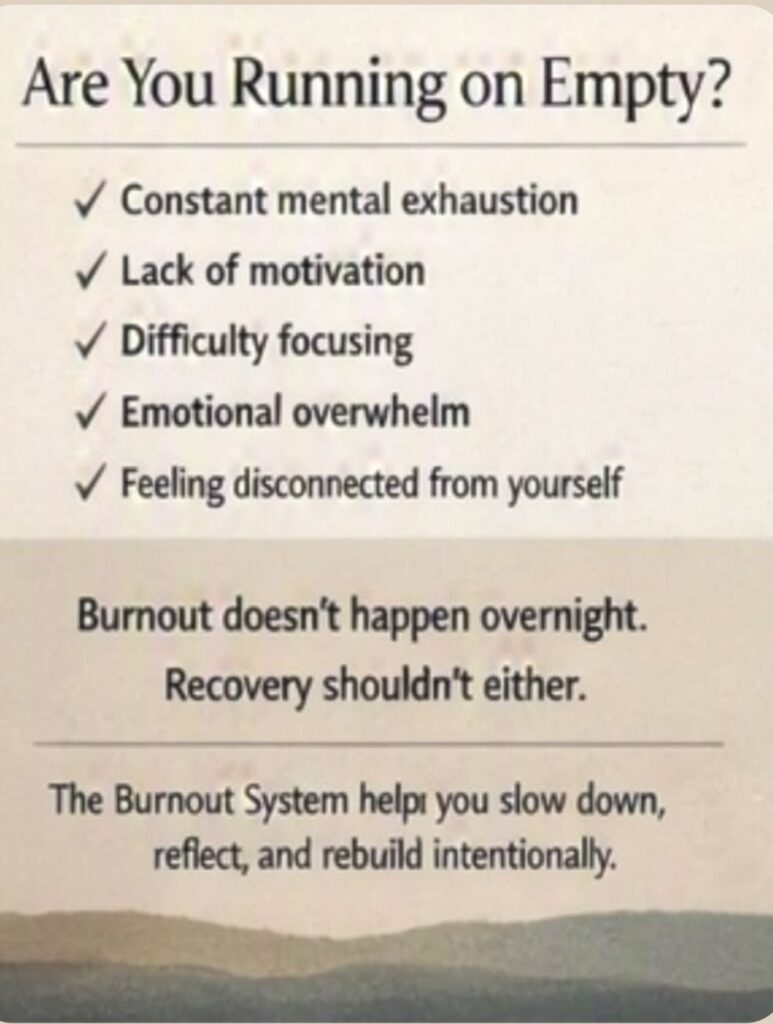
11 Warning Signs You May Be Running on Empty
1. You Wake Up Tired Even After Sleeping
One of the first signs that your current routine may not be sustainable is waking up feeling as though you never truly recovered.
Occasional tiredness is normal.
Persistent fatigue, however, deserves a closer look.
Your sleep schedule, stress level, workload, physical health, medications, mood, and daily habits can all influence how rested you feel.
If tiredness continues despite adequate opportunities for sleep, consider discussing it with a healthcare professional rather than assuming it is simply burnout.
2. Small Problems Feel Much Bigger
When your mental resources are stretched thin, ordinary problems can feel overwhelming.
A delayed email.
A minor disagreement.
A long queue.
Another unexpected task.
You may notice yourself becoming irritated much faster than usual.
This does not mean you are becoming a bad person.
Instead, it may be a sign that your capacity for handling additional demands is already low.
Try this
Before reacting, pause and ask:
“Is this problem actually urgent, or am I responding from exhaustion?”
That small pause can prevent unnecessary conflict.
3. Your Concentration Is Getting Worse
You read the same sentence several times.
You forget why you opened an app.
You start one task and suddenly find yourself doing something completely different.
Mental overload can make concentration more difficult.
At work, this may appear as:
- More mistakes
- Missed details
- Procrastination
- Difficulty making decisions
- Taking longer to complete familiar tasks
- Forgetting conversations or instructions
Reduced effectiveness is also one of the three dimensions included in the WHO’s occupational burnout definition.
4. You Feel Emotionally Numb
Burnout is not always dramatic.
Sometimes it looks like not caring anymore.
You may stop feeling excited about projects that once mattered to you.
Compliments do not feel rewarding.
Problems do not make you angry.
You simply feel detached.
This emotional distancing can become particularly concerning when it is connected to work and continues over time.
5. You Start Dreading the Next Day
Sunday evening anxiety.
Monday morning dread.
Constantly watching the clock.
Thinking about work before you even leave bed.
These patterns can indicate that your relationship with work has become increasingly stressful.
The key question is not:
“Do I dislike my job sometimes?”
Almost everyone does.
Instead ask:
“Has my negative reaction toward work become persistent and difficult to switch off?”
6. You Keep Saying “I Just Need One Good Weekend”
A weekend can absolutely help you recover from a demanding week.
But if you repeatedly think:
“I just need a few days off.”
and return to exactly the same exhaustion every Monday, the problem may require more than rest.
A holiday cannot permanently compensate for an unsustainable workload.
This is why effective burnout prevention at work cannot rely only on individual self-care.
Workload, staffing, role clarity, autonomy, management, workplace culture, and recovery time can all matter.
7. You Stop Doing Things You Enjoy
Another warning sign is shrinking your life around your responsibilities.
You stop meeting friends.
You skip exercise.
You abandon hobbies.
You spend your free time scrolling because you are too mentally tired to do anything else.
Rest is important.
However, when your entire life becomes work followed by recovery from work, your routine may need attention.
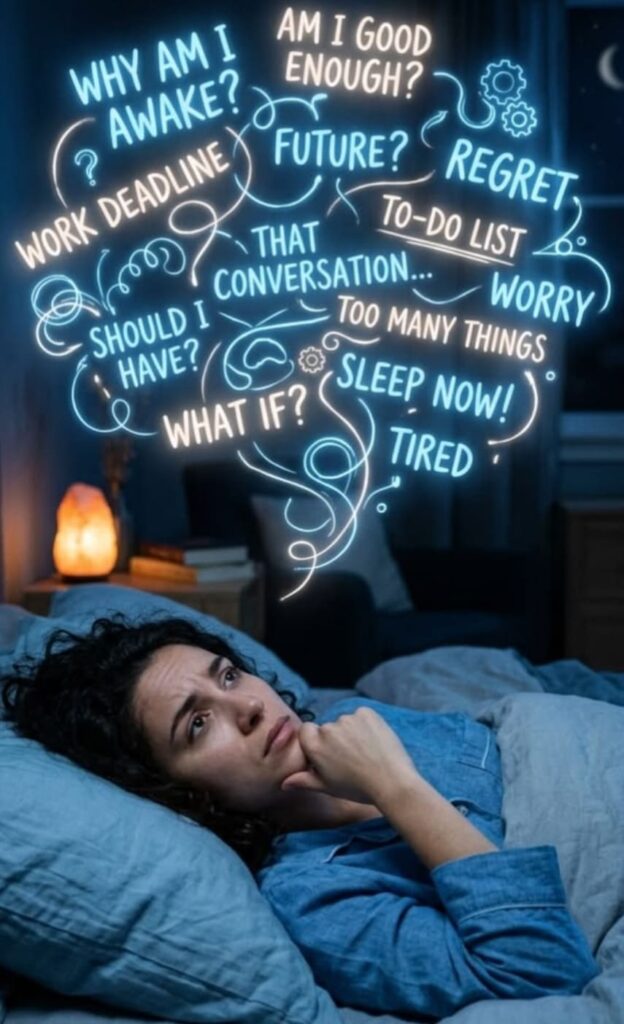
8. Your Sleep Routine Becomes Unstable
Stress and sleep can influence each other.
You may feel exhausted throughout the day but become unusually alert at night.
Your mind starts replaying conversations.
Tomorrow’s deadlines suddenly feel urgent.
You check your phone.
Then you check it again.
Eventually, your sleep schedule becomes inconsistent.
For readers struggling with persistent sleep difficulties, your Insomnia & Mental Health Guide can provide a useful next step.
9. You Become More Cynical About Work
You may begin thinking:
- “Nothing I do matters.”
- “Why should I even try?”
- “Nobody notices the effort.”
- “Everything is pointless.”
Occasional frustration is normal.
Persistent cynicism toward your job is different.
It is specifically relevant to the WHO’s description of occupational burnout, which includes increased mental distance from one’s job or negative and cynical feelings related to work.
10. You Feel Like You Are Always Behind
Your to-do list never ends.
Finishing one task simply reveals three more.
You respond to messages during dinner.
You check email before bed.
You continue working after your official hours because stopping feels irresponsible.
Eventually, being busy becomes your normal state.
That is where prevention becomes important.
11. Rest Doesn’t Feel Like Rest Anymore
This can be one of the most frustrating stages.
You finally get free time.
But instead of feeling refreshed, you feel guilty.
You think about unfinished work.
You mentally rehearse tomorrow.
You cannot fully disconnect.
Recovery requires more than simply being physically away from work.
It also requires psychological distance from ongoing demands.
⚠️ Medical Disclaimer: This article is intended for general educational and informational purposes only. It does not diagnose, treat, or prevent burnout, depression, anxiety, sleep disorders, or any other medical or mental-health condition. Burnout is described by the World Health Organization as an occupational phenomenon rather than a medical condition. Persistent fatigue or emotional changes may have multiple possible causes. If symptoms are persistent, worsening, or interfering with daily functioning, speak with a qualified healthcare professional for personalized evaluation and advice. If you are experiencing a mental-health emergency or thoughts of self-harm, seek immediate help from local emergency services or an appropriate crisis-support service.
What Causes Daily Exhaustion and Burnout?
Burnout rarely has one simple cause.
Workplace research has identified relationships between occupational burnout and factors such as workload, job demands, resources, organizational conditions, and work-related problems.
Common contributors can include:
Excessive workload
Too many responsibilities with too little time can create prolonged pressure.
Lack of control
Constantly changing priorities or having little influence over how work is completed can increase stress.
Unclear expectations
When employees do not know what success looks like, even simple tasks can become mentally exhausting.
Poor boundaries
Constant notifications and after-hours communication can make recovery difficult.
Workplace conflict
Repeated interpersonal tension can consume emotional energy.
Lack of recovery
When demanding days are followed by more demanding days, the nervous system has fewer opportunities to recover.
Perfectionism and over-responsibility
Some people place unrealistic expectations on themselves.
However, personal habits should not be treated as the entire explanation for burnout.
Organizational conditions matter too.
Daily Stress vs. Burnout: What’s the Difference?
| Daily Stress | Possible Burnout Pattern |
|---|---|
| Temporary pressure | Persistent exhaustion |
| You can recover after rest | Rest does not seem sufficient |
| You remain engaged | You become detached or cynical |
| Motivation returns | Motivation continues declining |
| Problems feel manageable | Ordinary demands feel overwhelming |
| Performance remains relatively stable | Effectiveness may decline |
This distinction matters because not every difficult week is burnout.
At the same time, repeatedly dismissing warning signs as “just stress” may delay useful changes.
How to Prevent Daily Burnout Before It Gets Worse
1. Protect Your Recovery Time
Recovery should not be something you earn only after completing everything.
There will almost always be another email.
Another deadline.
Another task.
Schedule genuine downtime before your workload consumes it.
2. Create a Clear Work-to-Home Boundary
If possible, establish a simple transition between work and personal time.
For example:
- Shut down your work computer.
- Silence non-urgent notifications.
- Change clothes.
- Take a short walk.
- Have a meal without checking work messages.
- Avoid routinely answering non-urgent requests late at night.
The goal is to give your brain a recognizable signal:
Work has ended.
3. Stop Treating Every Task as Urgent
Urgency inflation is exhausting.
When everything is labeled urgent, nothing receives thoughtful prioritization.
Try dividing your workload into:
Must do today
Should do this week
Can wait
Can be delegated
This simple system can reduce unnecessary mental clutter.
4. Take Real Breaks
A break should not simply mean opening social media while keeping your work email open.
Step away.
Move your body.
Drink water.
Look outside.
Talk to someone.
Allow your attention to move somewhere that does not demand productivity.
5. Make Sleep a Prevention Strategy
Sleep is not a reward for finishing your responsibilities.
It is part of maintaining your ability to handle them.
A consistent sleep schedule, adequate sleep opportunity, and a calmer pre-bed routine can support recovery.
If sleep problems are persistent, however, investigate them rather than assuming burnout is the only explanation.
6. Talk About Workload Earlier
One of the most effective prevention strategies is also one people often delay.
Tell your manager when priorities are becoming unrealistic.
Instead of saying:
“I’m overwhelmed.”
Try:
“I currently have six high-priority tasks. Which two should I complete first?”
This turns a vague stress complaint into a practical workload conversation.
What Managers Can Do to Prevent Burnout
Employees should not be expected to solve workplace burnout entirely through self-care.
Managers can help by:
- Clarifying priorities
- Setting realistic deadlines
- Monitoring workload
- Recognizing sustained overtime
- Encouraging employees to take breaks
- Avoiding unnecessary after-hours communication
- Giving employees reasonable autonomy
- Addressing workplace conflict
- Checking whether staffing matches workload
- Creating psychologically safer communication
Your existing article, How Managers Can Prevent Employee Burnout, can serve as the deeper resource for this topic.
For remote workers, connect this article with your How to Prevent Burnout at Remote Jobs guide.
For broader prevention strategies, link readers to Burnout Prevention: 12 Science-Backed Strategies.
A 10-Minute Daily Burnout Prevention Routine
You don’t need another complicated productivity system.
Try this simple routine at the end of your workday.
Minute 1–2: Check your energy
Ask:
“How drained am I right now?”
Rate it from 1 to 10.
Minute 3–4: Identify the biggest stressor
What consumed the most mental energy today?
Minute 5–6: Close open loops
Write down unfinished tasks.
Do not keep them in your head.
Minute 7–8: Choose tomorrow’s priorities
Select the two or three tasks that matter most.
Minute 9–10: Create a transition
Close your laptop.
Silence work notifications.
Take a short walk or do something that marks the end of your workday.
Small routines become powerful when repeated consistently.
When Daily Exhaustion May Need Professional Attention
Persistent exhaustion should not automatically be blamed on burnout.
Fatigue can have many possible causes, including sleep problems, medical conditions, medication effects, anxiety, depression, and other factors.
Consider speaking with a healthcare professional if:
- Your exhaustion persists or keeps worsening.
- Sleep problems continue despite changing your routine.
- Your mood has changed significantly.
- You are struggling to function at work or home.
- You have persistent feelings of hopelessness.
- You are experiencing thoughts of self-harm or suicide.
If you are in immediate danger or believe you may hurt yourself, contact your local emergency service or a crisis service available in your country.
You do not have to diagnose yourself before asking for help.
Can You Prevent Burnout Completely?
No strategy can guarantee that burnout will never happen.
However, recognizing early warning signs can create an opportunity to change the conditions contributing to chronic stress.
The strongest approach combines:
awareness + boundaries + recovery + realistic workload + supportive relationships + organizational action.
And that last point matters.
Burnout prevention should not become another responsibility placed entirely on an exhausted employee.
Frequently Asked Questions
What are the first signs of burnout?
Early warning signs can include persistent exhaustion, increasing cynicism toward work, reduced concentration, declining effectiveness, irritability, withdrawal, and difficulty recovering from work-related demands.
Can you be burned out without realizing it?
Yes. Some people gradually adapt to exhaustion and begin treating it as their normal state. Changes in mood, motivation, work engagement, and recovery can provide useful warning signals.
Is daily fatigue the same as burnout?
No. Daily fatigue can have many causes. WHO specifically defines occupational burnout in relation to chronic workplace stress and identifies exhaustion, mental distance or cynicism, and reduced professional efficacy as its core dimensions.
Does taking a vacation cure burnout?
Time away from work may provide recovery, but a vacation does not necessarily address the conditions creating chronic workplace stress. Sustainable prevention may require changes to workload, expectations, boundaries, management, or organizational conditions.
Can burnout cause depression?
Burnout and depression can overlap, but they are not the same concept. Persistent low mood, hopelessness, loss of interest, or significant impairment deserves professional assessment rather than self-diagnosis.
A word from mindnesto-
At mindnesto we believe you do not need to reach complete exhaustion before taking your stress seriously.
Sometimes the earliest warning sign is not collapsing.
It is noticing that you no longer feel like yourself.
You are tired before the day begins.
Small problems feel enormous.
Work follows you home.
Things you once enjoyed begin disappearing from your routine.
Those signals are worth listening to.
Burnout prevention is not about becoming better at tolerating an unhealthy workload.
It is about creating a healthier relationship with work, recovery, boundaries, expectations, and support.
And when the problem is bigger than individual habits, the solution needs to be bigger too.