





By mindnesto Editorial Team · Updated June 2026 · 10 min read
Reviewed for accuracy — sources cited from CDC 2025, Deloitte 2025, Pew Research 2025, Yale School of Medicine 2026, Cybersmile UK 2025 and peer-reviewed research
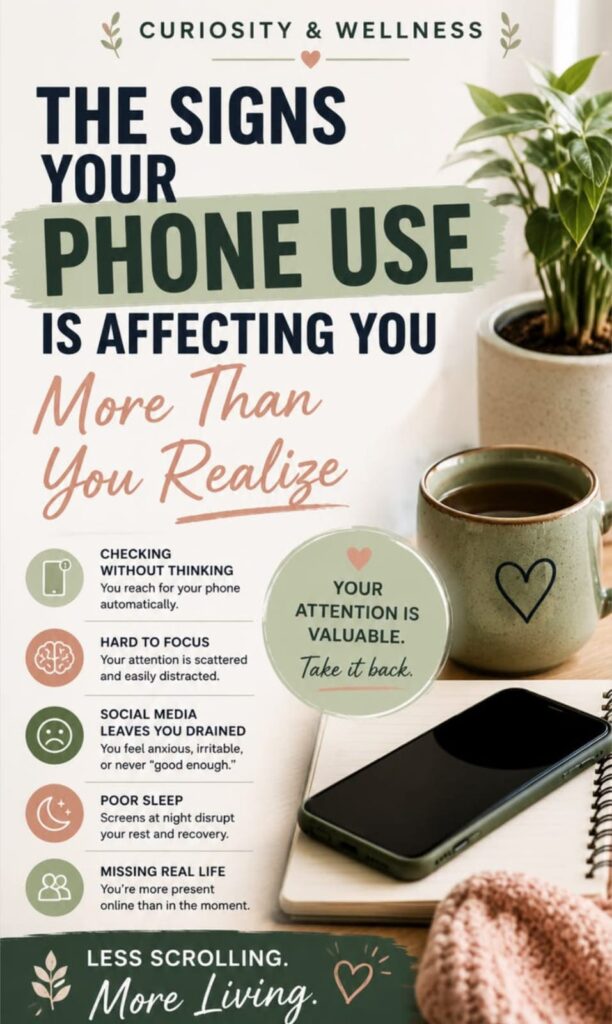
Consider this for a moment. The average person in 2026 spends 4 hours and 37 minutes every day on their smartphone. That is more time than most people spend on face-to-face social interaction, physical movement, or creative activity combined. And yet the question of what all that screen time does to mental health — genuinely, specifically, biologically — is one that most people are still answering with gut feeling rather than current evidence.
The evidence in 2026 is more detailed and more concerning than most health content acknowledges. A 50,231-child study published in 2026 found that daily screen time of four hours or more was associated with a 45 percent higher risk of anxiety, a 61 percent higher risk of depression, a 24 percent higher risk of behaviour or conduct problems, and a 21 percent higher risk of ADHD compared to lower levels of use. Medical Daily
Those are not marginal effects. A 61 percent higher risk of depression is a clinically significant finding — and it comes from one of the largest child studies ever conducted on this topic.
At the same time, the picture is genuinely more nuanced than the simple “screens bad, put your phone down” narrative that dominates most public conversation. Yale School of Medicine researchers, presenting early findings from a large multi-study initiative on teen social media and mental health in March 2026, found that the relationship is more complex than simplistic narratives suggest — with effects varying by gender, type of social media use, existing anxiety levels, and the degree of social support available. Medical Daily
This is the honest 2026 picture: screen time and social media carry real, measurable mental health risks — particularly for specific populations, specific types of use, and specific amounts — alongside genuine benefits when used with intention and care. Understanding both sides is what genuine digital wellness actually requires.
This guide covers the latest data, the specific neuroscience, and 10 evidence-based strategies that go significantly beyond the generic advice most digital wellness content provides.
We have connected this to our digital wellness habits guide, our sleep optimization guide, and our morning anxiety guide — because screen time, sleep disruption, and morning anxiety form an interconnected system that responds best to coordinated, targeted intervention.
Note: This article is for informational purposes. If social media or screen time is significantly contributing to mental health difficulties, please speak with your GP or a qualified mental health professional.
What Is Digital Wellness — The 2026 Definition
Digital wellness is the intentional, evidence-informed management of technology use to protect and support mental, physical, and social health. It is not the elimination of technology from your life. It is the development of a relationship with technology that you control — rather than one that controls you.
The distinction matters practically, because most digital wellness advice treats screens as uniformly harmful and avoidance as the primary strategy. The 2026 research does not support that framing. What it supports is something more specific: that passive, algorithmically driven, comparison-inducing, and sleep-interfering screen use carries clear mental health risks — while intentional, active, connection-oriented digital engagement carries minimal harm and genuine benefit.
Pew Research in 2025 found that almost 1 in 2 teens say social media has a mostly negative impact on their peers aged 13–17. People who used between 7 and 11 different social media apps were three times more likely to have symptoms of depression or anxiety. The platform diversity finding is particularly striking — suggesting that the fragmentation and comparison demands of multi-platform use create a cumulative burden that single-platform use does not. SingleCare
The current Data — What the Research Actually Shows
Screen Time and Children — The Largest Study Yet
The 50,231-child 2026 study represents one of the most comprehensive investigations into screen time and child mental health conducted to date. Its findings are specific and striking: four or more hours of daily screen time was associated with 45 percent higher anxiety risk, 61 percent higher depression risk, 24 percent higher conduct problem risk, and 21 percent higher ADHD risk compared to lower exposure groups. Medical Daily
These associations held across demographic groups and after controlling for baseline variables. They do not prove causation — but they establish associations sufficiently strong that most paediatric public health bodies are now incorporating them into guidance.
CDC Data 2025 — The Severity Threshold
CDC research published in 2025 found that daily screen time of six or more hours was associated with suicidal ideation in females and suicide attempts in both sexes. Approximately 1 in 4 teenagers with four or more hours of daily screen time reported anxiety symptoms at 27.1 percent and depression symptoms at 25.9 percent in the preceding two weeks. Autofaceless
These findings are serious. They do not mean that screen time directly causes suicidal behaviour — but they identify a threshold of exposure at which mental health risk escalates significantly, and they point to a dose-response relationship that has now been replicated across multiple independent datasets.
The Gender Gap in Digital Mental Health — UK Data 2025
The 2025 Cybersmile Digital Wellbeing Report, which surveyed 1,000 participants aged 16–24 across the UK, found that 91 percent of young women said social media negatively affects their mental health, compared to 83 percent of men. The same proportion of women aged 16–24 — 91 percent — reported feeling unsatisfied with their lives after comparing themselves to others on social media. NCHStats
That is not a minority experience. For young women in the UK, social media-driven life dissatisfaction is essentially universal among this age group — a finding with significant implications for both clinical practice and platform accountability.
Gen Z Mental Health in 2026 — The Systemic Picture
Deloitte’s Global 2025 Gen Z and Millennial Survey, polling over 23,000 respondents across 44 countries, found that 40 percent of Gen Z report feeling stressed or anxious most or all of the time, compared to 34 percent of Millennials. Fully 47 percent of Gen Z rate their mental wellbeing as fair or poor. Mental health ranked as the second most cited societal concern for this generation globally. NCHStats
Nearly half of an entire generation rating their wellbeing as fair or poor is a public health finding of genuine magnitude. And while screen time is not the only contributing factor, its role in this picture is now sufficiently well-evidenced that most researchers in this field treat it as a significant contributing variable rather than a peripheral one.
The Digital Detox Evidence — What Happens When People Reduce Screen Time
One of the clearest pieces of evidence for screen time’s causal role in mental health outcomes comes from intervention studies. After a one-week social media detox, depression dropped by 25 percent and anxiety dropped by 16 percent among young adults. These are intervention-sized effect sizes — not trivial correlations. They suggest that reducing social media exposure produces measurable, rapid mental health improvements for many people. TechRT
A previous randomised controlled trial on smartphone use reduction showed significant improvements in depression, wellbeing, stress, and sleep quality through a reduction in screen time. clinicaltrials

The Neuroscience of Digital Wellness — What Is Happening in Your Brain
The Dopamine Loop and Reward Circuit Disruption
Social media platforms are engineered around the brain’s dopamine reward system. Every notification, every like, every new post delivers an unpredictable small reward — and unpredictable rewards are neurologically far more compelling than predictable ones. This is the same variable-reward mechanism that underlies slot machine design.
With repetitive exposure, the brain’s baseline dopamine threshold rises. Ordinary life — conversation, nature, reading, focused work — begins to feel understimulating by comparison. This is not a moral failing. It is a documented neurological process called hedonic adaptation applied to digital stimulation, and it explains why so many heavy screen users feel simultaneously overstimulated by screens and profoundly bored without them.
Cortisol and the Threat-Activating Content
The content that social media algorithms amplify most consistently — conflict, outrage, comparison, threat — is precisely the content that activates the amygdala and triggers cortisol release. Each scroll through algorithmically curated negative content delivers a micro-dose of cortisol. With hours of daily exposure, this creates a pattern of sustained low-level cortisol elevation physiologically indistinguishable from chronic stress.
Research from Dr. Gloria Mark of the University of California Irvine on attention residue adds another layer: even after closing a social media app, the cognitive content of what you just consumed continues occupying working memory bandwidth for up to 23 minutes. The cortisol-inducing content does not stay in the app. It follows you into the next thing you do.
Blue Light, Melatonin, and Sleep Architecture
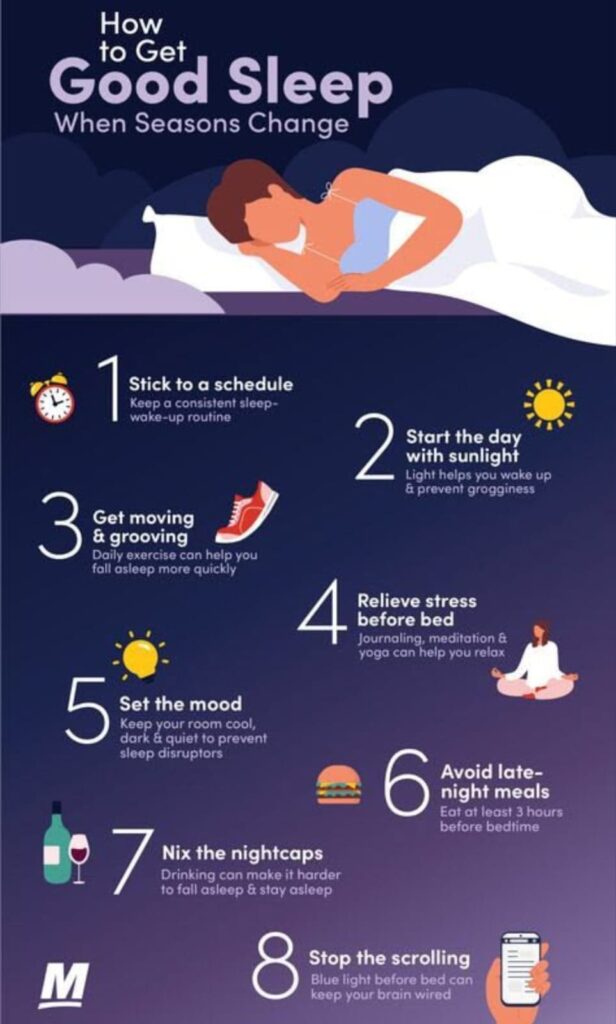
Evening screen use disrupts sleep through two distinct and now well-established mechanisms. First, the blue light emitted by screens suppresses melatonin production — the hormone that signals to the brain that sleep time has arrived. Research from Harvard Medical School found that blue light exposure in the evening suppresses melatonin by up to 50 percent and delays its release timing by up to 3 hours.
Second — and increasingly recognised as more significant than the blue light effect — the emotionally activating content of most evening screen use maintains a state of neurological arousal fundamentally incompatible with sleep onset. Daily screen use before bedtime is linked to later bedtimes, shorter sleep duration of approximately 50 minutes less per week, and a 33 percent higher prevalence of poor sleep quality among teenagers. Research suggests the content itself — particularly social media and stimulating video — contributes more to sleep disruption than the blue light alone. Autofaceless
The Policy Response — What Governments Are Doing in 2026
The scale of the evidence has now produced legislative responses across multiple countries. Australia has banned social media for children under 16. Multiple US states have enacted age verification laws. Screen-time management app downloads have surged by 30 percent. Yet global averages keep rising, suggesting that awareness alone is not sufficient to reverse deeply embedded behavioural patterns. Autofaceless
This policy momentum reflects something important: governments are treating digital wellness as a public health issue rather than a personal responsibility issue. That framing matters — because it acknowledges that the design of digital platforms is itself a health determinant, not merely how individuals choose to use them.
For adults navigating their own digital wellness, this context provides useful permission: difficulty managing screen time is not primarily a willpower failure. It reflects the deliberate engineering of platforms designed to capture and hold attention by exploiting the same neurological mechanisms as other behavioural addictions.
10 Evidence-Based Digital Wellness Strategies
1. Conduct a Real Screen Time Audit First
Before changing anything, establish your honest baseline. Both iOS Screen Time and Android Digital Wellbeing provide detailed breakdowns of daily usage by application, category, and time of day. Most people significantly underestimate their screen time — the data frequently surprises even those who believe they are moderate users.
Review one week of data before implementing any changes. Identify which applications consume the most time, which times of day your usage peaks, and whether your usage pattern is primarily active (communicating, creating, learning) or passive (scrolling, watching, reacting).
2. Apply the 30-Minute Social Media Daily Limit
Based on research by Dr. Melissa Hunt of the University of Pennsylvania — whose study remains one of the most cited in this space — limiting social media use to a maximum of 30 minutes per day across all platforms produces measurable reductions in depression, loneliness, and anxiety within three weeks. Set hard daily limits within your phone’s built-in tools, not within the apps themselves, and do not grant extensions.
3. Implement a Non-Negotiable Digital Sunset
Choose a time each evening — typically 60 to 90 minutes before your target sleep time — after which all screens are powered down. Replace the reclaimed time with physical reading, gentle movement, journaling, or conversation. This single intervention, consistently applied, addresses the sleep disruption mechanism that connects screen time to the morning anxiety and mood disturbances described in our morning anxiety guide.
4. Create Phone-Free Zones in Your Physical Environment
The bedroom, the dinner table, and the first 30 minutes after waking are the three most evidence-supported phone-free zones. Research from the University of Texas at Austin found that the mere visible presence of a smartphone on a desk — even face-down and silenced — measurably reduced available cognitive capacity and working memory for the tasks at hand.
Physical removal from the environment is more effective than app-level restrictions for these zones.
5. Shift Deliberately From Passive to Active Digital Use
The distinction that matters most for digital wellness is not simply the amount of screen time — it is the quality. Dr. Andrew Przybylski of the Oxford Internet Institute found that active digital use (creating, communicating meaningfully, learning) had a significantly smaller negative mental health impact than passive digital use (scrolling, consuming without engagement).
Audit not just how much you use your devices but how. Replace passive scrolling with direct messaging to specific people. Replace content consumption with content creation or genuine learning. The neurological experience of these two modes of use is measurably different.
6. Eliminate All Non-Essential Notifications
Every notification creates an attention residue event — a cognitive interruption whose effects last up to 23 minutes beyond the notification itself. Eliminating non-essential notifications is not a minor quality-of-life improvement. It is a direct cortisol reduction strategy that prevents the sustained low-level sympathetic nervous system activation that continuous notifications maintain throughout the day.
Keep only calls from important contacts, essential calendar alerts, and time-sensitive messages from specific individuals. Remove everything else.
7. Schedule a Weekly Digital Wellness Check-In
Once per week — Sunday evening works well — spend 10 minutes reviewing your screen time data for the week. Compare it to your targets. Note which days were most challenging and why. Identify one specific adjustment to make in the coming week. This brief practice builds the metacognitive awareness that separates intentional technology users from habitual ones.
8. Try a One-Week Social Media Detox
Given the evidence that a single week of social media reduction produces depression drops of 25 percent and anxiety drops of 16 percent, a structured one-week detox is one of the highest-return digital wellness experiments available. Inform your network in advance, plan offline alternatives deliberately, and keep a daily mood and energy log throughout. Most people report that the relief during the detox significantly exceeds their expectations.
9. Protect Your Children’s Digital Wellness Specifically
The 2026 evidence on children and screen time is more specific and more serious than the general adult data. If you are a parent, four hours daily of total screen time represents a threshold above which mental health risk increases measurably. The quality of screen use matters here too — educational, interactive, and socially connected use is meaningfully different from passive entertainment consumption.
Establish shared household screen time agreements, maintain device-free family mealtimes, and apply bedroom and bedtime screen rules consistently. These are not restrictions. They are evidence-based protective factors.
10. Seek Professional Support When Digital Use Feels Compulsive
When screen time or social media use feels genuinely compulsive — when attempts to reduce it produce significant anxiety, when it is interfering with work, relationships, or sleep despite your wish to change — professional support through CBT for digital addiction or behavioural therapy is both appropriate and effective.
- UK: NHS Talking Therapies
- USA: ADAA Therapist Finder
- Canada: CAMH
- Australia: Beyond Blue
Digital Wellness Mental Health Key Takeaways
The 2026 evidence summary:
- A 50,231-child 2026 study found 4+ daily hours of screen time associated with 61% higher depression risk and 45% higher anxiety risk
- CDC 2025 data links 6+ hours daily to suicidal ideation in females and suicide attempts in both sexes
- 91% of UK young women say social media negatively affects their mental health — Cybersmile 2025
- 40% of Gen Z globally report feeling stressed or anxious most or all of the time — Deloitte 2025
- A one-week social media detox produces 25% depression reduction and 16% anxiety reduction in young adults
- The relationship is bidirectional and complex — existing anxiety increases social media use, which may worsen anxiety further
- Passive screen use carries significantly greater mental health risk than active, intentional digital engagement
- Sleep disruption from evening screens is driven more by activating content than by blue light alone
- Platform diversity — using 7–11 different social media apps — triples depression and anxiety risk versus single-platform use
- Digital wellness requires intentional use, physical boundaries, notification elimination, and consistent daily limits — not abstinence
A Word From mindnesto
At mindnesto, we want to be clear about something that most digital wellness content avoids. The difficulty of managing screen time is not fundamentally a self-discipline problem. It is the predictable consequence of spending hours every day inside products that have been optimised, by teams of brilliant engineers and behavioural scientists, to be as difficult to put down as possible.
That does not remove your agency. But it does change the framing — from “why can I not simply use my phone less?” to “what specific, evidence-based strategies make it genuinely easier to use my phone with more intention?” The second question has practical answers. This guide gives you twelve of them. The goal is not a screen-free life. The goal is a digital life that serves you — one that you choose deliberately rather than one that happens to you by default. 💙
→ Read next: Digital Wellness Habits — 10 Science-Backed Strategies
→ Also read: Sleep Optimization — 12 Science-Backed Strategies
Frequently Asked Questions
How does screen time affect mental health?
Screen time affects mental health through several biological mechanisms simultaneously. Passive social media use elevates cortisol through amygdala-activating content. Variable reward notifications disrupt dopamine regulation. Evening screens suppress melatonin and delay sleep onset. Social comparison through curated feeds correlates with reduced self-esteem and increased depression risk. A 50,231-child 2026 study found 4+ daily hours associated with 45% higher anxiety risk and 61% higher depression risk.
How much screen time is too much for mental health?
The 2026 research suggests that four hours of total daily screen time represents a threshold above which mental health risk increases measurably in children. For adults, the picture depends more on the type of use than the total duration. Passive social media consumption produces greater mental health risk than equivalent active, intentional digital engagement. The World Health Organization and most paediatric bodies recommend under two hours of recreational screen time daily for children.
Does a social media detox actually help mental health?
Yes — the evidence is clear. A one-week social media detox has been shown to reduce depression by 25% and anxiety by 16% in young adults. Three-week screen time reductions show improved mental health indicators including sleep quality, mood stability, and anxiety levels. The improvements tend to appear within the first few days and continue building across the detox period — suggesting a genuine dose-response relationship rather than a placebo effect.
Why does social media affect women’s mental health more than men’s?
Research consistently finds stronger negative mental health associations between social media use and female wellbeing — particularly in adolescence and young adulthood. The Cybersmile UK 2025 report found 91% of young women reporting negative mental health impacts from social media. The primary mechanism appears to be social comparison — the tendency to compare one’s appearance, relationships, and life circumstances to curated digital representations of others. Female socialisation places greater emphasis on social comparison as a self-evaluation mechanism, and social media platforms provide an unprecedented volume and frequency of comparison opportunities.
What is the difference between active and passive screen use?
Active screen use involves intentional, goal-directed digital engagement — communicating with specific people, creating content, learning specific skills, or completing defined tasks. Passive screen use involves consuming algorithmically curated content without a specific goal — scrolling social media feeds, watching recommendation-driven video, or browsing without direction. Research by Dr. Andrew Przybylski of the Oxford Internet Institute found that active digital use has significantly smaller negative mental health effects than passive use — making this distinction the most clinically important variable in digital wellness assessment.
Sources and External References
- Medical Daily — Screen Time Children Mental Health 2026
- AutoFaceless — Screen Time Statistics 2026
- NC Hub Stats — Digital Fatigue Crisis Gen Z 2026
- TechRT — Digital Detox Statistics 2026
- SingleCare — Social Media Mental Health Statistics 2026
- PMC — Digital Screen Time Mental Health University Students
- NHS — Screen Time and Mental Health
- WHO — Digital Health
- Mind UK — Social Media and Mental Health
- NHS Talking Therapies
- ADAA — Find a Therapist
- CAMH Canada
- Beyond Blue Australia
- NAMI USA