




By mindnesto Editorial Team · Updated November 2026 · 10–12 min read
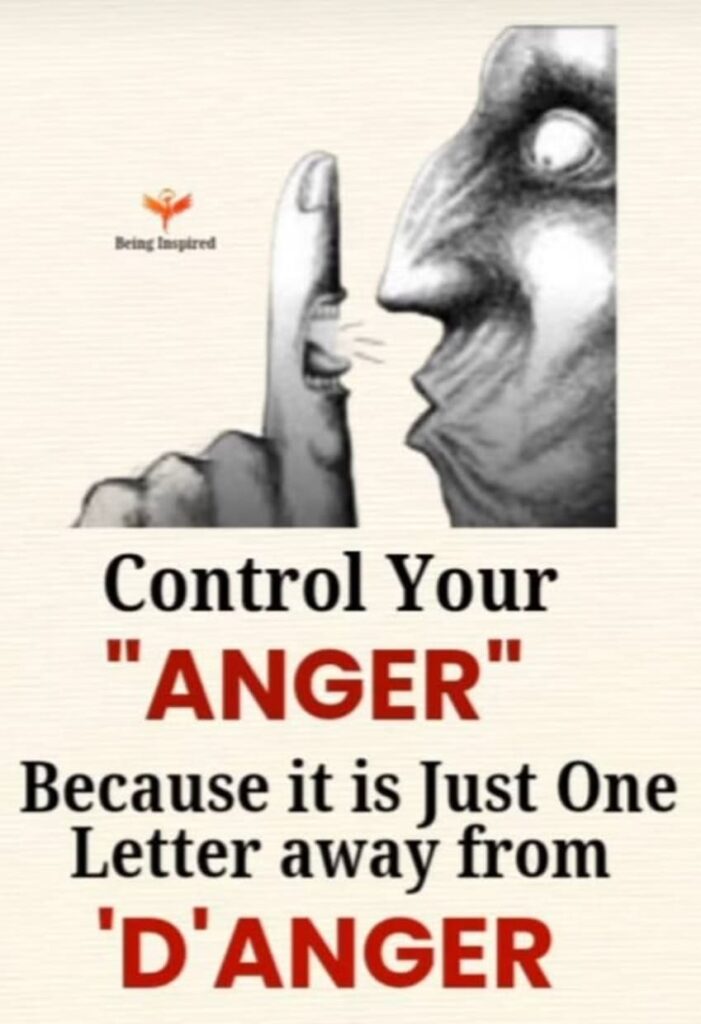
Have you ever become angry over something small and then wondered why your reaction was so strong?
Getting angry easily can be linked to ongoing stress, poor sleep, feeling unheard or disrespected, unresolved emotional pain, grief, frustration, physical discomfort, and learned reactions from childhood. Anger is a normal emotion, but frequent or intense reactions may indicate that something needs attention. Identifying personal triggers and understanding the feelings beneath anger can help people develop healthier responses.
Perhaps someone interrupted you, made an unexpected comment, forgot a promise, or asked you a simple question. You suddenly felt irritated, raised your voice, or withdrew from the conversation.
Later, you may have thought:
Why did I react like that? Why do I get angry so easily?
Frequent anger is not always about the situation happening in front of you. Sometimes, it is connected to accumulated stress, emotional exhaustion, unresolved hurt, unmet expectations, or experiences that have shaped how you respond to conflict.
Anger is a normal human emotion. It can alert you when something feels unfair, threatening, frustrating, or painful. However, when anger becomes frequent, intense, or difficult to manage, it can affect relationships, work, sleep, and emotional wellbeing.
Understanding what triggers your anger is an important first step towards changing your response.
In this guide, we explore 10 common reasons people become angry easily, how to recognise hidden emotional triggers, and practical ways to respond more thoughtfully.
Why Do I Get Angry So Easily?
You may get angry easily when your emotional resources are already under pressure. Stress, exhaustion, unresolved experiences, frustration, feeling misunderstood, and physical discomfort can all influence how you respond to everyday situations.
People may get angry easily when stress, frustration, emotional hurt, exhaustion, or unresolved experiences reduce their ability to manage difficult situations. Common triggers include criticism, unfair treatment, feeling ignored, lack of control, poor sleep, and ongoing pressure.
Sometimes, anger is the emotion you notice first, while another feeling sits underneath it.
For example:
- You may feel angry when you actually feel ignored.
- You may become defensive because you feel criticised.
- You may react strongly because you are emotionally exhausted.
- You may feel irritated because you have been suppressing frustration for too long.
The situation that triggers anger is not necessarily the only reason behind it.
According to the NHS, anger can be influenced by current stress, family history, past experiences, and feelings of unfairness or powerlessness.
10 Common Reasons You May Get Angry Easily
1. Chronic Stress and Emotional Overload
One of the most common reasons people become easily irritated is ongoing stress.
When you are managing work responsibilities, financial pressure, family demands, relationship difficulties, or personal problems, your mind may have fewer resources available to handle additional frustration.
As a result, something relatively minor can feel overwhelming.
For example, imagine that you have spent the entire day dealing with deadlines, household responsibilities, and unexpected problems. When someone asks you to complete one more task, you may react with irritation.
The request itself may not be unreasonable. However, it arrives when you already feel overloaded.
Possible signs:
- You become irritated by small interruptions.
- You feel impatient throughout the day.
- You struggle to relax.
- You feel mentally exhausted.
- You react more strongly when several problems occur together.
What may help: Identify the sources of ongoing pressure. Break large responsibilities into manageable tasks, create realistic boundaries, and allow time for recovery.
If stress is affecting your daily functioning, consider speaking with a qualified mental health professional.
2. Poor Sleep and Physical Exhaustion
Your emotional wellbeing is closely connected to your physical wellbeing.
When you regularly sleep poorly or do not get enough rest, everyday challenges may feel harder to manage. You may become less patient, more sensitive to interruptions, and quicker to react.
Consider how you feel after a night of interrupted sleep compared with a night when you wake up refreshed.
You may notice that your tolerance for frustration changes.
Poor sleep does not automatically cause anger, but it can contribute to irritability and make emotional regulation more difficult.
Possible signs:
- You feel irritated shortly after waking.
- You have less patience with people.
- You struggle to concentrate.
- Small inconveniences feel unusually frustrating.
- Your reactions become stronger when you are tired.
What may help: Maintain a consistent sleep schedule, create a relaxing bedtime routine, reduce stimulating activities before bed, and address ongoing sleep difficulties with a healthcare professional.
3. Feeling Disrespected, Ignored, or Unheard
For some people, anger appears when they feel their opinions, boundaries, or emotions are not being respected.
You might feel frustrated when someone repeatedly interrupts you, dismisses your concerns, makes decisions without consulting you, or ignores something important you have communicated.
In these situations, anger may be connected to a deeper need for recognition, respect, or fairness.
For example, imagine explaining a problem several times without receiving a meaningful response. Eventually, you may raise your voice because you feel that speaking calmly has not worked.
However, anger does not always communicate your needs effectively.
What may help: Identify exactly what feels disrespectful. Then communicate it clearly.
For example:
Instead of saying, “You never listen to me,” try:
“I feel unheard when I am interrupted. I would appreciate it if you allowed me to finish explaining.”
Clear communication can help you express frustration without escalating conflict.
4. Unresolved Emotional Hurt
Sometimes, anger develops around experiences that have not been emotionally processed.
You may still feel hurt by a previous argument, betrayal, rejection, disappointment, or repeated criticism.
Even when the original situation has ended, reminders of that experience may influence how you respond to new situations.
For example, if someone has repeatedly broken your trust, you may become defensive when another person is late or fails to keep a promise.
The present situation may remind you of something painful from the past.
This does not mean every angry reaction is caused by unresolved emotional pain. However, exploring the connection may help you understand patterns that otherwise seem confusing.
Questions to consider:
- Does this situation remind me of an earlier experience?
- Am I reacting only to what happened today?
- Is there something I have not expressed?
- Do I feel hurt, disappointed, or unsafe beneath my anger?
What may help: Write about the experience, identify the emotions involved, and consider talking with a qualified counsellor or therapist if the feelings continue to affect your life.
5. Unmet Expectations and Frustration
Expectations influence how we interpret everyday situations.
You may expect someone to understand your needs, respond immediately, appreciate your efforts, or behave in a particular way.
When reality does not match those expectations, frustration can develop.
For example:
- You expected someone to remember an important occasion.
- You worked hard but did not receive the recognition you hoped for.
- A colleague did not complete an agreed task.
- Your plans changed unexpectedly.
The disappointment may gradually turn into anger.
The important question is whether your expectations were communicated clearly and whether they were realistic.
What may help: Separate what you can control from what you cannot. Communicate expectations rather than assuming others already understand them. Practise flexibility when circumstances change.
6. Feeling Powerless or Out of Control
Feeling unable to influence an important situation can create frustration.
This may happen during financial difficulties, workplace conflict, family disagreements, health challenges, or major life changes.
Sometimes, anger becomes a response to the feeling that you have no control over what is happening.
For example, you may become increasingly irritated when decisions affecting your life are made without your involvement.
The anger may be connected to a need for independence, security, or control.
What may help: Identify the parts of the situation you can influence. Focus on one practical action rather than trying to solve everything immediately.
If you cannot change the situation, consider what support, boundaries, or adjustments might make it easier to manage.
7. Grief, Loss, and Major Life Changes
Grief does not always appear as sadness.
For some people, loss can also involve frustration, irritability, resentment, confusion, or anger.
You may feel angry about what happened, the unfairness of a situation, unanswered questions, or the changes that follow a loss.
Major life changes can also increase emotional pressure, even when they are not connected to bereavement.
For example:
- Losing someone important.
- Ending a relationship.
- Losing a job.
- Moving to a different place.
- Experiencing a major disappointment.
- Adjusting to a new family responsibility.
There is no single way to experience grief, and emotions may change over time.
What may help: Give yourself permission to recognise different emotions without judging them. Talk to someone you trust, maintain basic routines where possible, and seek professional support if grief becomes overwhelming or persistently affects daily life.
8. Anxiety, Fear, and Feeling Threatened
Anger and fear can sometimes occur together.
A situation may make you feel criticised, rejected, embarrassed, unsafe, or uncertain. Instead of recognising the vulnerable feeling first, you may respond with anger.
For example, receiving unexpected criticism may make you feel embarrassed or afraid of failure. You might respond defensively because the situation feels threatening.
This does not mean anxiety always causes anger. Rather, fear and anger can overlap, and recognising both emotions may provide a clearer understanding of your reaction.
What may help: Pause and ask yourself:
- Am I feeling threatened?
- Am I afraid of being judged?
- Am I worried about losing something important?
- Am I feeling embarrassed or insecure?
Naming the underlying emotion can help you choose a more constructive response.
If anxiety is persistent or interfering with everyday life, consider professional support.
9. Physical Discomfort, Health Changes, and Hormonal Factors
Your physical condition can influence your emotional experience.
Pain, illness, exhaustion, hunger, and changes in general wellbeing may make frustration more difficult to manage.
Some people also notice changes in their mood and irritability during hormonal transitions or at particular points in their menstrual cycle.
Certain medications and substances can affect mood or behaviour as well.
However, it is important not to assume that frequent anger is caused by hormones or a medical condition.
If irritability or anger begins suddenly, becomes unusually intense, or appears alongside other physical or emotional changes, speak with a healthcare professional. Do not stop or change prescribed medication without medical advice.
What may help: Notice whether anger occurs alongside pain, changes in sleep, hunger, medication changes, or other physical symptoms. Keeping a simple record may help you identify patterns to discuss with a healthcare professional.
10. Learned Behaviour and Childhood Experiences
The way people learn to express anger can be influenced by their early environment.
For example, someone who grew up around frequent shouting may have learned that raising their voice is a normal way to handle disagreement.
Another person may have grown up in an environment where expressing frustration was discouraged. They may suppress their feelings until they become difficult to manage.
Family experiences do not determine your future behaviour. However, they can influence the emotional responses and communication habits you learn.
Possible patterns include:
- Shouting during disagreements.
- Avoiding difficult conversations.
- Suppressing frustration.
- Becoming defensive when criticised.
- Struggling to communicate personal boundaries.
What may help: Notice which reactions feel familiar from your early environment. Practise alternative communication skills and consider counselling if these patterns are affecting your relationships.
Learning a healthier response is possible, even if the old pattern feels automatic.
Could Anger Be Hiding Another Emotion?
Anger is sometimes the most visible part of a more complicated emotional experience.
Underneath it, you may find:
| What you notice | What you may also be feeling |
|---|---|
| Irritation when ignored | Hurt or rejection |
| Anger after criticism | Embarrassment or insecurity |
| Frustration when plans change | Anxiety or uncertainty |
| Anger during arguments | Fear of losing connection |
| Resentment towards others | Disappointment or unmet needs |
| Anger after repeated pressure | Emotional exhaustion |
These are possibilities, not fixed explanations. The same situation can create different emotions in different people.
A useful question is:
“If I were not feeling angry right now, what other emotion might I be experiencing?”
This question can help you look beyond the immediate reaction.
How to Identify Your Personal Anger Triggers
Understanding your triggers requires more than remembering the moments when you became angry. It involves noticing patterns.
Try keeping a simple anger-awareness journal for one or two weeks.
Record the following:
- Situation: What happened before you became angry?
- Thought: What went through your mind?
- Emotion: Were you also hurt, anxious, disappointed, or embarrassed?
- Physical response: Did your muscles tighten, heart rate increase, or breathing change?
- Reaction: What did you say or do?
- After-effect: Did the response solve the problem or create another one?
Example of an anger trigger journal
| Reflection | Example |
|---|---|
| Situation | A colleague interrupted me |
| First thought | They do not respect my opinion |
| Emotion | Frustration and embarrassment |
| Physical response | Tight shoulders and faster heartbeat |
| Reaction | I responded sharply |
| What I could try next time | Ask to finish speaking calmly |
Over time, you may notice repeated patterns.
For example, you might discover that you become more reactive when you are tired, feel criticised, or have not communicated your boundaries.
This awareness gives you an opportunity to respond differently.
What Can You Do When You Start Getting Angry Easily?
Identifying the cause is important, but it is equally important to develop practical ways of managing your response.
Consider these approaches:
1. Pause Before Responding
You do not have to answer every difficult comment immediately.
If you notice yourself becoming angry, take a short break before continuing the conversation.
2. Name the Emotion
Instead of describing everything as anger, try identifying the feeling beneath it.
You might be disappointed, overwhelmed, embarrassed, worried, or hurt.
3. Check Your Physical Needs
Ask yourself whether you are tired, hungry, in pain, or under unusual pressure.
Addressing basic needs will not solve every emotional difficulty, but it may reduce additional strain.
4. Communicate Your Needs Clearly
Use specific language to explain what is bothering you.
For example:
“I felt frustrated when the plan changed without discussing it with me. Can we agree on how to handle this next time?”
5. Avoid Escalating the Situation
Avoid sending angry messages, making threats, damaging property, or using aggression to release frustration.
Taking a break can be more constructive than continuing a conversation when you feel close to losing control.
6. Build a Consistent Self-Care Routine
Regular physical activity, sufficient sleep, relaxation, supportive relationships, and time away from ongoing stress can support emotional wellbeing.
7. Consider Professional Support
If anger is affecting your relationships, work, safety, or daily functioning, consider speaking with a qualified mental health professional.
Therapy may help you explore underlying experiences, recognise unhelpful thinking patterns, and develop healthier ways to manage difficult emotions.
When Should You Be Concerned About Frequent Anger?
Experiencing anger does not automatically mean you have an anger-related disorder or mental health condition.
However, it may be time to seek support if:
- You frequently lose control during disagreements.
- Your anger is damaging important relationships.
- You regularly shout, threaten, or intimidate others.
- You feel unable to calm down after becoming angry.
- You experience persistent irritability that affects everyday life.
- You feel ashamed or distressed about your reactions.
- You are concerned that you might hurt yourself or another person.
If you feel at immediate risk of harming yourself or someone else, create distance from the situation, avoid access to anything that could be used as a weapon, and contact local emergency services or seek urgent help.
Seeking support is a practical step towards safety and healthier emotional functioning.
Frequently Asked Questions
1. Why do I get angry over small things?
Small situations can trigger a stronger reaction when you are already stressed, tired, overwhelmed, or emotionally hurt. Sometimes, the immediate event reminds you of an earlier experience or an unresolved concern.
2. Why am I angry all the time for no reason?
There may be a reason that is not immediately obvious. Ongoing stress, poor sleep, physical discomfort, grief, anxiety, or difficult life circumstances can contribute to irritability. If this feeling is persistent, consider discussing it with a healthcare professional.
3. Can stress make you angry easily?
Yes. Ongoing stress can make everyday challenges harder to manage and may contribute to irritability, frustration, and stronger emotional reactions.
4. Is anger a sign of anxiety?
Not necessarily. Anger and anxiety are different emotional experiences, but they can occur together. Some people become defensive or irritable when they feel threatened, uncertain, or overwhelmed.
5. Can childhood experiences affect anger?
Early family environments can influence how people learn to express and manage anger. However, learned reactions can change with awareness, practice, and appropriate support.
6. Why do I feel angry and then guilty afterwards?
You may feel guilty when your reaction conflicts with your values or affects someone you care about. Rather than focusing only on guilt, consider what triggered the reaction and what you could do differently next time.
7. How can I stop getting angry so easily?
Start by identifying your triggers, recognising early warning signs, improving communication, and taking a pause before reacting. If anger is persistent or difficult to manage, professional support may help.
A word from mindnesto
At mindnesto we believe understand the Cause Before Judging the Reaction
Getting angry easily does not make you a bad person. Anger is a normal human emotion, and it can sometimes point towards an unmet need, a difficult experience, or a situation that requires attention.
However, understanding your feelings does not mean excusing harmful behaviour.
The goal is to recognise what is happening, take responsibility for your reactions, and develop healthier ways to express what you feel.
Start with one simple question:
“What is really happening beneath my anger?”
The answer may help you understand yourself more clearly and take the next step towards emotional balance.
Explore more on mindnesto: Continue with our guide to understanding anger, then explore practical techniques for calming down when anger begins to rise.
Medical Disclaimer
This article is for educational and informational purposes only. It is not a substitute for professional medical advice, psychological assessment, diagnosis, or treatment. Frequent or intense anger can have different contributing factors. If anger is affecting your wellbeing, relationships, or safety, consult a qualified healthcare or mental health professional.
References and Further Reading
- NHS — Get help with anger
- American Psychological Association — Control anger before it controls you
- NHS inform — Why am I so angry?
- Mind — Causes of anger
- University of Bath — Managing anger