






By mindnesto Editorial Team · Updated June 2026 · 12 min read
Reviewed for medical accuracy — sources cited from NHS, NICE 2026, AAP, CDC, JAMA Pediatrics and peer-reviewed ADHD neuroscience research
Think Your Mood Swings Are “Just Stress”? Think Again.
Millions of men live with bipolar disorder without realizing it. Learn the warning signs, causes, treatment options, and proven recovery strategies before symptoms become more difficult to manage.
What Is Bipolar Disorder in Men?
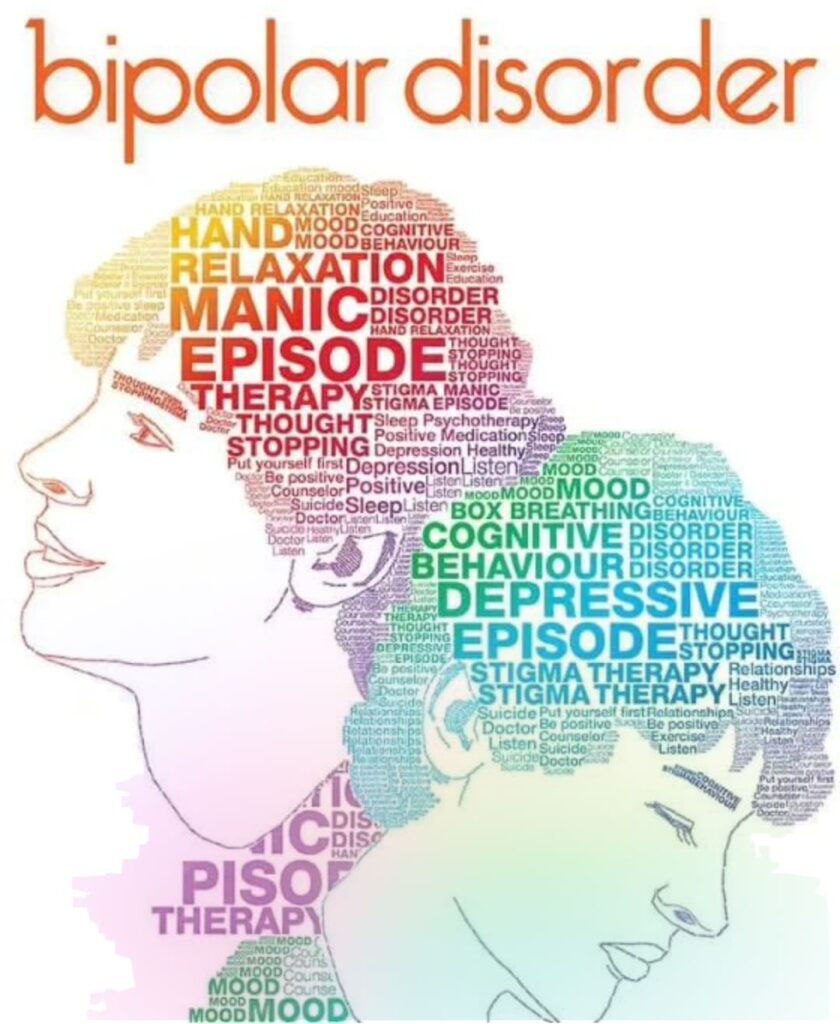
Bipolar disorder in men is a mental health condition characterized by episodes of mania, hypomania, and depression. Men often experience symptoms at a younger age and may show more impulsive or risk-taking behaviors during manic episodes. Early diagnosis, medication, psychotherapy, and healthy lifestyle habits can significantly improve long-term outcomes.
Symptoms of Bipolar Disorder in Men
Bipolar disorder affects men differently from women in several important ways. While the core symptoms remain the same, research suggests that men are more likely to experience earlier symptom onset, greater impulsivity during manic episodes, and higher rates of substance use disorders. Understanding these differences helps individuals recognize symptoms sooner and seek appropriate treatment.
No two people experience bipolar disorder in exactly the same way. Symptoms vary depending on the type of bipolar disorder, current mood episode, treatment adherence, and individual health history.
Earlier Age of Onset
Several studies suggest that men often experience bipolar disorder at a younger age than women. Symptoms may first appear during late adolescence or early adulthood, a period marked by major hormonal, neurological, and social changes.
Early symptoms are sometimes mistaken for typical teenage behaviour, stress, ADHD, or depression. This can delay diagnosis and treatment.
Early warning signs may include:
- Sudden mood changes
- Increased irritability
- Declining academic or work performance
- Sleep disturbances
- Risk-taking behaviour
- Difficulty maintaining relationships
Recognizing these symptoms early improves the chances of effective long-term management.
Mania in Men
A manic episode is one of the defining characteristics of Bipolar I Disorder. During mania, energy levels increase dramatically, and judgment may become impaired.
Men may be more likely to display external behaviours during mania, including:
- Increased confidence
- Excessive talking
- Racing thoughts
- Reduced need for sleep
- Increased productivity
- Risk-taking behaviour
- Reckless spending
- Dangerous driving
- Substance misuse
- Aggressive behaviour
- Impulsive decision-making
In severe cases, mania may include psychotic symptoms such as hallucinations or delusional beliefs. These situations require immediate medical attention.
Hypomania
Hypomania is a milder form of mania and is commonly associated with Bipolar II Disorder.
Although symptoms are less severe, hypomania can still affect relationships, work, and decision-making.
People experiencing hypomania may:
- Feel unusually energetic
- Become highly productive
- Need less sleep
- Feel unusually optimistic
- Talk faster than normal
- Become easily distracted
- Take unnecessary risks
Because hypomania may initially feel enjoyable or productive, many people do not realize it is part of a mental health condition.
Depressive Episodes
Depressive episodes can be deeply disabling and often last longer than manic episodes.
During depression, a person may experience:
- Persistent sadness
- Loss of motivation
- Fatigue
- Difficulty concentrating
- Feelings of hopelessness
- Loss of interest in hobbies
- Sleep disturbances
- Appetite changes
- Low self-esteem
- Thoughts of death or suicide
Some men express depression differently than women. Instead of openly discussing sadness, they may become irritable, angry, withdrawn, or increasingly focused on work or substance use.
These differences sometimes make bipolar depression more difficult to recognize.
Changes in Appetite and Sleep
Healthy sleep patterns are essential for emotional regulation.
People with bipolar disorder commonly experience significant disruptions in sleep and appetite.
During manic episodes they may:
- Sleep only a few hours
- Feel fully rested despite little sleep
- Forget to eat
- Lose weight unintentionally
During depressive episodes they may:
- Sleep excessively
- Struggle to get out of bed
- Overeat or lose their appetite
- Gain or lose weight
Sleep disruption is one of the strongest predictors of future mood episodes.
If sleep problems are becoming persistent, read our complete guide:
Why Bipolar Disorder Often Goes Undiagnosed in Men
Many men wait years before receiving an accurate bipolar diagnosis.
Several factors contribute to delayed diagnosis.
Symptoms are mistaken for:
- Depression
- Anxiety disorders
- ADHD
- Personality disorders
- Substance use disorders
- Workplace stress
- Burnout
Men are also statistically less likely to seek professional mental health support early.
Instead, they may attempt to manage symptoms independently.
Unfortunately, untreated bipolar disorder often becomes more difficult to manage over time.
Early diagnosis leads to better outcomes.
When Should You Seek Professional Help?
You should speak with a qualified healthcare professional if you notice:
- Mood swings lasting several days or weeks
- Episodes of unusually high energy
- Long periods of depression
- Impulsive behaviour affecting finances or relationships
- Changes in sleep patterns
- Increased irritability
- Thoughts of self-harm
- Difficulty functioning at work or home
Seeking help early does not mean a diagnosis is certain.
It simply allows professionals to evaluate symptoms thoroughly and recommend appropriate care if needed.
How Is Bipolar Disorder Diagnosed?
There is no single blood test or brain scan that confirms bipolar disorder.
Instead, diagnosis involves a comprehensive clinical evaluation conducted by a psychiatrist or another qualified mental health professional.
The assessment usually includes:
- Detailed medical history
- Family history
- Mental health assessment
- Review of current symptoms
- Duration of mood episodes
- Physical examination
- Blood tests to rule out medical conditions such as thyroid disorders
- Evaluation using DSM-5 diagnostic criteria
Accurate diagnosis is essential because bipolar disorder shares symptoms with several other mental health conditions.
Conditions That Can Look Similar to Bipolar Disorder
Healthcare providers may also evaluate for conditions such as:
- Major depressive disorder
- Generalized anxiety disorder
- ADHD
- Borderline personality disorder
- Schizoaffective disorder
- Substance-induced mood disorders
- Thyroid disorders
This careful evaluation helps ensure the most appropriate treatment plan.
Evidence-Based Treatment for Bipolar Disorder
Bipolar disorder is a lifelong mental health condition, but it is highly treatable. Many people live productive, fulfilling lives when they follow a personalized treatment plan developed with qualified healthcare professionals.
The most effective treatment usually combines:
- Medication
- Psychotherapy
- Lifestyle modifications
- Family support
- Ongoing medical monitoring
Treatment should always be individualized because every person’s symptoms, triggers, and medical history are different.
⚠️ Medical Disclaimer:
This article is intended for educational purposes only and should not replace professional medical advice, diagnosis, or treatment. Bipolar disorder is a complex mental health condition that requires evaluation by a qualified healthcare professional. Never stop or adjust prescribed medication without consulting your psychiatrist or physician. If you or someone you know is experiencing severe mood changes, psychosis, or thoughts of self-harm or suicide, seek immediate medical attention or contact your local emergency services.
1.Medication
Medication remains the foundation of bipolar disorder treatment. It helps stabilize mood, reduce symptom severity, and lower the risk of future episodes.
A psychiatrist may prescribe one or more of the following, depending on your diagnosis:
Mood Stabilizers
These medications help prevent both manic and depressive episodes.
Common examples include:
- Lithium
- Valproate
- Lamotrigine
- Carbamazepine
Lithium remains one of the most extensively researched treatments for bipolar disorder and has demonstrated effectiveness in reducing relapse risk in many patients.
2. Atypical Antipsychotics
These medications may be recommended during manic episodes or as part of long-term treatment.
Examples include:
- Quetiapine
- Olanzapine
- Aripiprazole
- Lurasidone
- Risperidone
Your psychiatrist will determine the most appropriate medication based on your symptoms and overall health.
3. Antidepressants
Antidepressants are sometimes prescribed for bipolar depression.
However, they are generally used cautiously and often combined with a mood stabilizer because antidepressants alone may increase the risk of triggering mania in some people.
Never start, stop, or change psychiatric medication without consulting your healthcare provider.
Psychotherapy: A Key Part of Long-Term Recovery
Medication treats biological aspects of bipolar disorder.
Therapy helps people manage everyday life.
Evidence-based psychotherapy teaches practical skills that improve emotional regulation, relationships, coping strategies, and relapse prevention.
Research consistently shows that combining medication with therapy leads to better long-term outcomes than medication alone.
Our complete guide explains these therapies in detail.
Cognitive Behavioral Therapy (CBT)
CBT helps people identify unhealthy thinking patterns and replace them with healthier, evidence-based perspectives.
It can help individuals:
- Challenge negative thoughts.
- Reduce anxiety.
- Improve emotional regulation.
- Develop healthy coping skills.
- Manage depressive symptoms.
Family-Focused Therapy (FFT)
Family members play an important role in recovery.
FFT improves:
- Communication
- Problem-solving
- Relapse prevention
- Family understanding
- Emotional support
Interpersonal and Social Rhythm Therapy (IPSRT)
Maintaining consistent routines can reduce mood instability.
IPSRT focuses on:
- Sleep schedules
- Meal timing
- Exercise routines
- Daily habits
- Stress management
Consistent routines support emotional stability and overall wellbeing.
Lifestyle Habits That Support Bipolar Recovery
Healthy lifestyle habits cannot replace treatment.
However, they significantly improve long-term mental health.
Experts recommend:
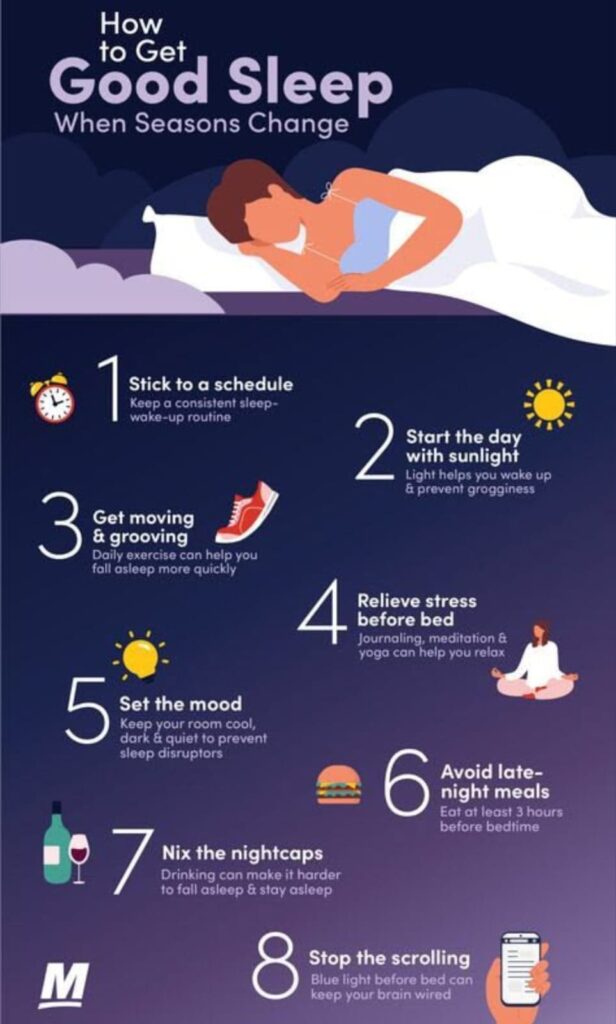
Maintain a Consistent Sleep Schedule
Sleep disruption is one of the strongest triggers for mood episodes.
Aim to:
- Sleep 7–9 hours nightly.
- Go to bed at the same time.
- Wake at the same time.
- Reduce screen time before bed.
If sleep problems continue, explore:
Exercise Regularly
Physical activity benefits both mental and physical health.
Research suggests regular exercise may:
- Reduce stress.
- Improve mood.
- Increase energy.
- Improve sleep quality.
- Lower anxiety.
Even 30 minutes of walking several days each week may provide meaningful benefits.
Eat a Balanced Diet
Nutrition influences brain health.
Focus on:
- Fruits
- Vegetables
- Whole grains
- Lean proteins
- Healthy fats
- Adequate hydration
Avoid excessive alcohol and recreational drug use because these substances may worsen bipolar symptoms and interfere with treatment.
Manage Daily Stress
Stress does not directly cause bipolar disorder.
However, stressful life events may trigger mood episodes.
Helpful stress-management strategies include:
- Deep breathing
- Meditation
- Mindfulness
- Journaling
- Yoga
- Spending time outdoors
- Maintaining supportive relationships
Practical Coping Strategies for Men Living With Bipolar Disorder
Managing bipolar disorder requires ongoing self-awareness.
Helpful strategies include:
- Take medication exactly as prescribed.
- Attend therapy consistently.
- Keep a mood journal.
- Track sleep patterns.
- Identify personal triggers.
- Build healthy daily routines.
- Limit alcohol consumption.
- Avoid recreational drugs.
- Stay physically active.
- Maintain regular medical appointments.
Small daily habits often have a significant impact over time.
Supporting Someone With Bipolar Disorder
Family members and close friends can play a valuable role in recovery.
Supportive actions include:
- Learn about bipolar disorder.
- Listen without judgment.
- Encourage professional treatment.
- Help recognize early warning signs.
- Support medication adherence.
- Encourage healthy routines.
- Be patient during recovery.
Support should focus on encouragement rather than criticism.
When to Seek Immediate Help
Seek urgent medical attention if someone experiences:
- Thoughts of suicide or self-harm.
- Psychotic symptoms such as hallucinations or delusions.
- Severe manic behaviour that places themselves or others at risk.
- Inability to care for basic needs.
- Dangerous impulsive behaviour.
Early intervention can prevent serious complications and improve recovery outcomes.
Myth vs. Fact About Bipolar Disorder in Men
Many misconceptions about bipolar disorder prevent people from seeking timely treatment. Understanding the facts can reduce stigma and encourage earlier diagnosis.
| Myth | Fact |
|---|---|
| Bipolar disorder is simply frequent mood swings. | Bipolar disorder is a complex medical condition involving episodes of mania, hypomania, and depression that meet specific diagnostic criteria. |
| Only women experience emotional symptoms. | Men and women experience bipolar disorder differently, but both can have severe emotional and psychological symptoms. |
| Men with bipolar disorder are always aggressive. | Some men may show irritability or impulsivity during mania, but aggression is not a defining symptom for everyone. |
| Medication alone is enough. | Research shows that combining medication, psychotherapy, healthy routines, and family support often produces better long-term outcomes. |
| People with bipolar disorder cannot lead successful lives. | With early diagnosis, consistent treatment, and ongoing support, many people maintain successful careers, relationships, and fulfilling lives. |
Frequently Asked Questions
Can men develop bipolar disorder later in life?
Yes. Although symptoms commonly begin during late adolescence or early adulthood, some men receive a diagnosis much later because earlier symptoms may have been overlooked or mistaken for other mental health conditions.
Is bipolar disorder hereditary?
Genetics play an important role, but they are not the only factor. Having a close relative with bipolar disorder may increase the likelihood of developing the condition. However, many people with a family history never develop bipolar disorder.
What usually triggers bipolar episodes?
Triggers vary from person to person. Common examples include:
- Sleep deprivation
- Chronic stress
- Substance misuse
- Significant life changes
- Medication non-adherence
Triggers do not cause bipolar disorder, but they may contribute to the onset of mood episodes in susceptible individuals.
Can bipolar disorder be cured?
There is currently no cure for bipolar disorder.
However, it is highly manageable with appropriate medical care, psychotherapy, healthy lifestyle habits, and long-term follow-up.
Many people successfully manage symptoms and enjoy productive, meaningful lives.
Is bipolar disorder different from depression?
Yes.
Depression involves persistent low mood, while bipolar disorder includes periods of depression as well as episodes of mania or hypomania.
An accurate diagnosis is essential because treatment approaches differ.
When should someone seek professional help?
Seek evaluation if mood changes begin affecting:
- Daily functioning
- Work performance
- Relationships
- Sleep
- Decision-making
- Personal safety
Early assessment improves treatment outcomes.
Key Takeaways
- Bipolar disorder is a chronic but treatable mental health condition.
- Men may experience symptoms differently, including earlier onset and greater impulsivity during manic episodes.
- Genetics, brain chemistry, environmental influences, and stressful life events all contribute to bipolar disorder risk.
- Early diagnosis helps improve long-term outcomes.
- Medication remains the cornerstone of treatment, while psychotherapy strengthens coping skills and relapse prevention.
- Healthy sleep, exercise, balanced nutrition, and stress management support emotional stability.
- Family support and ongoing medical care are essential components of recovery.
A word from mindnesto
At mindnesto we believe living with bipolar disorder can present significant challenges, but it does not define a person’s future. Understanding the condition, recognizing symptoms early, and following an evidence-based treatment plan can dramatically improve quality of life.
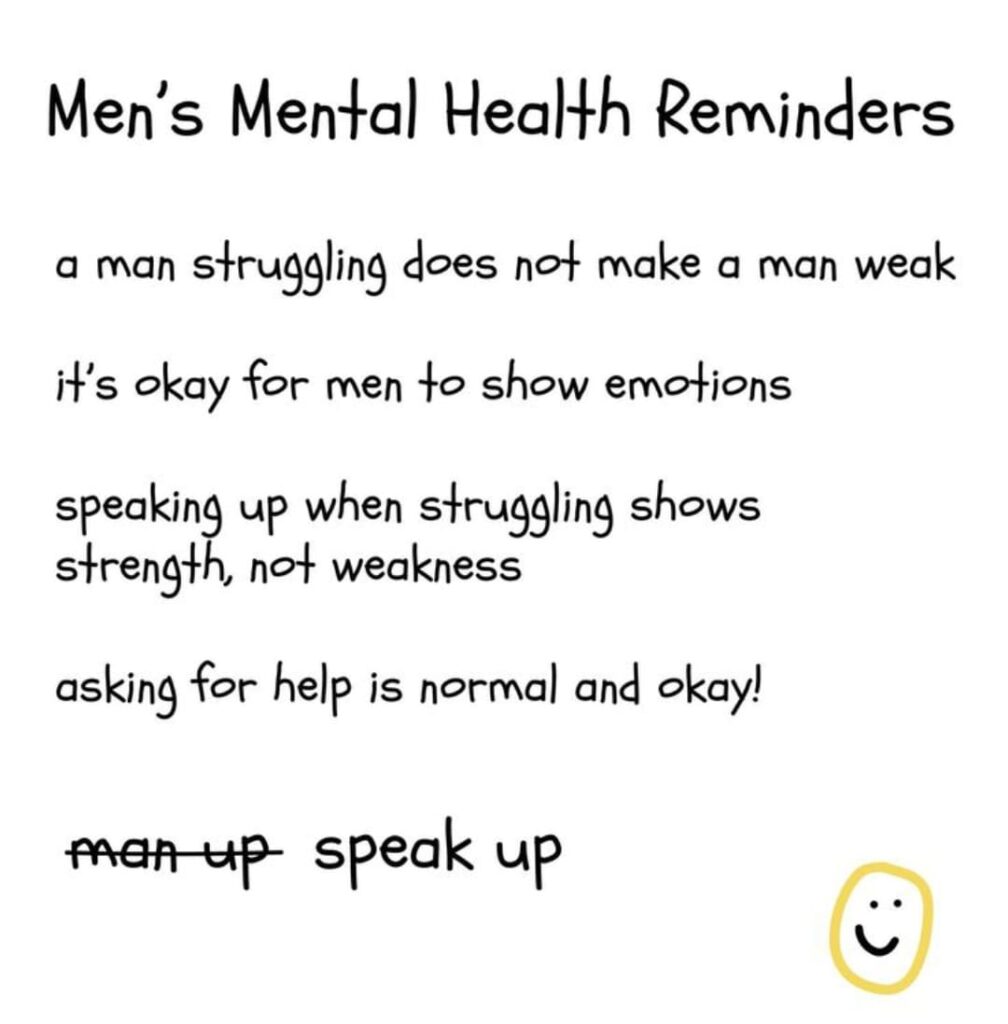
For many men, the first step is simply acknowledging that something feels different. Seeking professional support is not a sign of weakness—it is an investment in long-term health and wellbeing.
Modern treatment combines medication, psychotherapy, healthy lifestyle habits, and social support to help individuals manage symptoms effectively. Recovery is not about achieving perfection; it is about building stability, resilience, and confidence over time.
If you or someone you know is experiencing symptoms of bipolar disorder, reaching out to a qualified mental health professional is the best place to start. Early intervention can make a meaningful difference and help prevent complications before they become more serious