





By mindnesto Editorial Team · Updated October 2026 · 9 min read
Meal planning sounds simple until life gets busy. You finish work, manage family responsibilities, or get through a demanding day, and suddenly deciding what to eat feels like another task on an endless list.
You may want to eat well, save money, and avoid ordering food at the last minute. But when you have little time or energy, even planning a few meals can feel overwhelming.
The solution is not necessarily to become more organized or spend your entire weekend preparing food. Often, you need a smaller, more flexible system that works with your actual life.
The easiest way to meal plan when you are exhausted is to choose a few familiar meals, reuse ingredients, keep backup options available, and plan only as much as you realistically need.
In this guide, you will learn how to create a low-effort meal plan, build a simple grocery list, and make everyday food decisions easier without aiming for perfection.
Why Meal Planning Feels Difficult When You Are Busy
Meal planning involves several small decisions: what to cook, which ingredients to buy, how much food to prepare, and when you will have time to make it.
When those decisions compete with work, household responsibilities, and other demands, planning can feel like another burden.
Here are some common reasons.
You have too many decisions to make
Choosing meals from dozens of recipes can create more work instead of saving time. You may spend so long comparing options that you have little energy left to prepare anything.
A small collection of familiar meals can reduce the number of decisions you need to make.
You are already mentally exhausted
After a demanding day, you may find it harder to organize tasks or decide what should happen next. This does not mean you are lazy or incapable; it may simply mean that your day has required a lot from you.
A simple routine can reduce the effort required to decide what to eat.
Your plan is too ambitious
Planning seven elaborate dinners, preparing every ingredient, and trying a new recipe every day may not fit your schedule.
A useful meal plan should accommodate busy days, unexpected changes, and different levels of energy.
You do not know what is already available
Without checking your refrigerator, freezer, and cupboards, you may plan meals that require another shopping trip.
Starting with ingredients you already own can make planning easier and reduce unnecessary purchases.
How to Meal Plan When You Have No Time or Energy
You do not need a complicated spreadsheet or a full week of prepared meals. Start with these practical steps.
1. Plan fewer meals
Instead of planning every breakfast, lunch, dinner, and snack, begin with three to five meals you are likely to eat.
For example:
- Vegetable omelette with toast.
- Lentils with rice.
- Chicken or bean wraps.
- Vegetable pasta.
- Soup with bread.
You can repeat meals, use leftovers safely, or choose a convenient alternative when your plans change.
The purpose is to create a useful starting point, not a rigid schedule you must follow.
2. Choose meals you already know how to prepare
When time is limited, familiar recipes are often easier than new ones.
Think about meals that use ingredients you commonly buy and require preparation you can manage comfortably.
You do not need to find the perfect recipe. A familiar meal that meets your needs is often more practical than an elaborate dish you never have time to make.
If you need inspiration, use your existing list of 10 easy go-to meals, after confirming the article is published and the URL is correct.
3. Use ingredients across multiple meals
Buying ingredients for several completely different recipes can increase shopping time, cost, and food waste.
Instead, choose a few ingredients that can work in different dishes.
For example, cooked rice might accompany lentils one day and become part of a vegetable rice bowl another day. Vegetables can be added to pasta, omelettes, wraps, or soup.
A small amount of ingredient overlap can make your grocery list simpler.
4. Check your kitchen before shopping
Before making a grocery list, check what you already have.
Look at your refrigerator, freezer, and cupboards. Note ingredients that need to be used soon and staples that are running low.
Then list only the additional ingredients needed for your planned meals.
This simple habit can help prevent duplicate purchases and make grocery shopping more focused.
For a step-by-step approach, read our guide to creating a no-stress grocery list, if the page is live.
5. Keep two or three backup meals
Some days will not go according to plan. You may work late, feel tired, or have unexpected responsibilities.
Prepare for those days by keeping a few convenient meal options available.
Examples include:
- Canned beans with rice and frozen vegetables.
- Eggs with toast and fruit.
- Soup with bread.
- A sandwich or wrap with a suitable filling.
- Pasta with a simple sauce and vegetables.
Choose foods you enjoy, can afford, and can store safely.
Backup meals are not evidence that your plan has failed. They are part of a realistic plan.
6. Separate meal planning from cooking
Planning and preparing food do not have to happen at the same time.
You might spend five minutes choosing meals and writing a list on one day, then cook only when needed.
If you have the time and energy, you could wash vegetables, cook a batch of rice, or prepare another ingredient in advance. If you do not, keep your plan simple enough to use without extensive preparation.
Choose the amount of preparation that makes your life easier rather than creating another obligation.
7. Match meals to your available energy
Not every meal requires the same effort.
Organize your options into three groups:
Low effort: Meals requiring little preparation, such as toast with eggs or a simple sandwich.
Moderate effort: Meals involving basic chopping or cooking, such as vegetable pasta.
Prepare ahead: Meals that can be made in larger quantities, such as lentil soup or a suitable stew.
On demanding days, choose from your low-effort options. Save more involved meals for when you have the time and energy.
Your categories can be different from these examples. The important thing is to make choosing easier.
A Simple 15-Minute Meal-Planning Routine
If the idea of planning an entire week feels overwhelming, use this short routine instead.
Minutes 1–3: Check what you have
Look through your refrigerator, freezer, and cupboards. Identify ingredients you can use in the next few days.
Minutes 4–7: Choose three to five meals
Select familiar meals that match your schedule. Include at least one very easy option.
Minutes 8–11: List missing ingredients
Write down only what you need to prepare those meals. Group similar items together.
Minutes 12–15: Add backup options
Choose one or two convenient alternatives for unexpected busy days. Check that you have the ingredients or add them to your list.
Your result: a practical starting plan, not a promise that every meal will follow a fixed schedule.
If you have only five minutes available, do the essentials: check your food, choose a couple of meals, and list the missing ingredients.
Example: A Flexible Three-Day Meal Plan
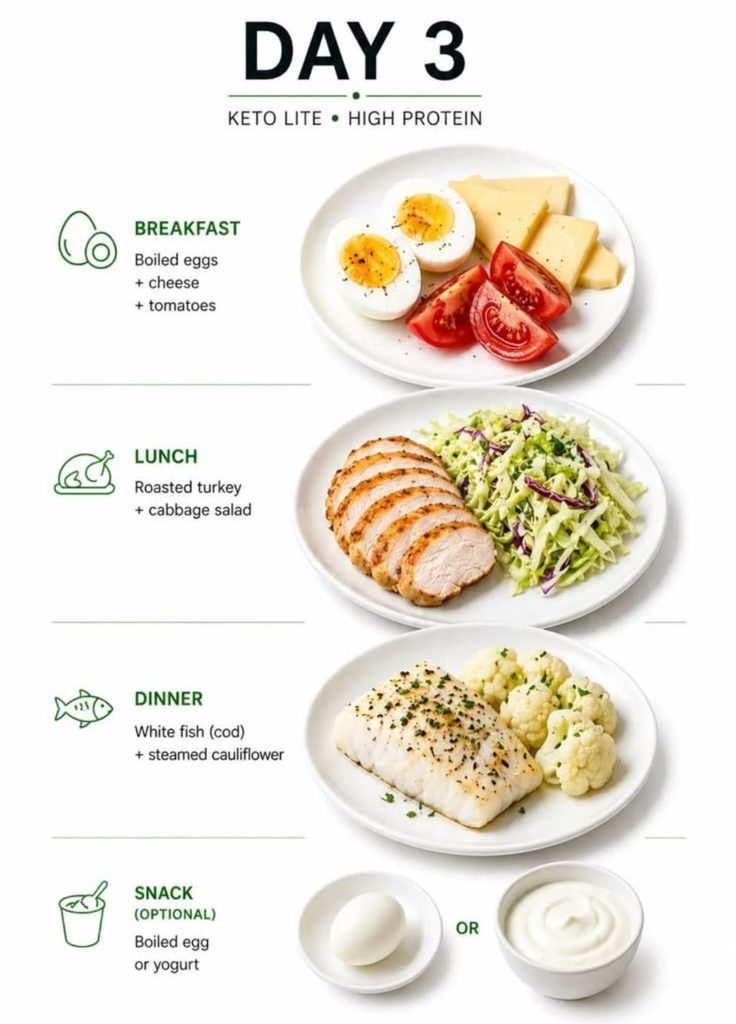
Here is an example of how a simple plan might look.
| Day | Main meal idea | Low-effort alternative |
|---|---|---|
| Day 1 | Lentils with rice and vegetables | Eggs with toast |
| Day 2 | Chicken or bean wraps | A simple sandwich |
| Day 3 | Vegetable pasta | Soup with bread |
Adapt the examples to your household, dietary requirements, cultural preferences, and budget.
You do not have to follow the plan exactly. Swap days, repeat meals, or use leftovers when appropriate.
A flexible plan gives you options without making every decision in advance.
How to Make Meal Planning Easier on a Tight Budget
Meal planning can also help you shop more deliberately, although savings are not guaranteed and depend on prices, household needs, and the foods you choose.
Try these strategies:
- Plan around food you already have. Use suitable pantry and freezer ingredients before buying more.
- Choose overlapping ingredients. Select meals that share vegetables, grains, or protein sources.
- Compare unit prices. Check the cost per kilogram, litre, or other standard unit when comparing similar products.
- Consider frozen or canned options. These can be useful alternatives when fresh foods are expensive or difficult to store.
- Use suitable leftovers. Store and reheat them according to food-safety guidance.
- Avoid unnecessary recipe shopping. A new recipe is not worth buying several ingredients that you may never use again.
The USDA’s MyPlate budget and meal-planning resources offer additional practical guidance.
What If You Still Feel Overwhelmed by Food Decisions?
Sometimes, the difficulty is not the cooking itself. It is the mental effort involved in deciding what to eat.
If you find yourself repeatedly opening the refrigerator, searching for recipes, or postponing meals because you cannot choose, try reducing the decision to one small question:
“What is one manageable meal I can make with what I have?”
You do not need to identify the best possible option. Choose something workable that fits your needs.
If you are hungry, prioritize getting a suitable meal rather than spending a long time researching alternatives. If you are not sure what you want, consider whether you need food, rest, a break, or support with another source of stress.
Eating is not a test of productivity. Convenience foods and simple meals can have a place in everyday life.
You may also find our guide to food decision fatigue useful, provided that the URL is live.
If food-related anxiety or difficulties eating persist and interfere with your daily life, consider speaking with a qualified healthcare professional or registered dietitian.
Common Meal-Planning Mistakes to Avoid
Planning too many meals at once
A detailed plan can be helpful, but an ambitious plan may become difficult to maintain. Start small and expand only if it helps.
Buying ingredients for every recipe separately
This can increase the length of your shopping list and leave you with ingredients you rarely use. Look for practical overlaps instead.
Assuming you must cook from scratch
Prepared ingredients, frozen vegetables, canned beans, and other convenient foods can be useful parts of a balanced routine. Choose options that fit your needs and budget.
Treating the plan as a strict rule
Your schedule, appetite, and available ingredients can change. A plan should help you adapt, not make you feel guilty when you need to change it.
Forgetting to plan for difficult days
If every meal requires substantial effort, your plan may not work when you need it most. Keep low-effort options available.
Frequently Asked Questions
How do I meal plan when I have no energy?
Choose two or three familiar meals, check what ingredients you already have, and write a short grocery list. Include at least one meal that requires very little preparation.
How many days should I plan meals for?
Start with two or three days if a full week feels difficult. You can extend the plan when you find a routine that works.
Is it okay to repeat the same meals?
Yes. Repeating meals can simplify decisions. Aim for variety across your overall eating pattern, while considering your nutritional needs and food preferences.
Does meal planning save money?
It can help you use ingredients more deliberately, avoid some duplicate purchases, and reduce food waste. Actual savings depend on your budget, local prices, and shopping habits.
Do I need to meal-prep on Sundays?
No. You can plan whenever it suits you, and planning does not require batch cooking. A short list of meals may be enough.
What should I do when my meal plan changes?
Choose another meal from your list, use a suitable backup option, or rearrange the plan. Flexibility is part of making the system sustainable.
A word from mindnesto-
Meal planning does not have to take hours or require a perfect routine.
Choose a few familiar meals, reuse ingredients, keep convenient backups, and plan according to the time and energy you actually have.
Start with one small step today: choose two meals and write down the ingredients you need.
You can build a more detailed system later if it genuinely makes life easier.
Editorial note: This article provides general information about meal planning and everyday eating. It is not individualized medical or nutrition advice. Consult a qualified healthcare professional or registered dietitian if you need guidance for specific medical or dietary requirements.