




By mindnesto Editorial Team · Updated October 2026 · 12 min read
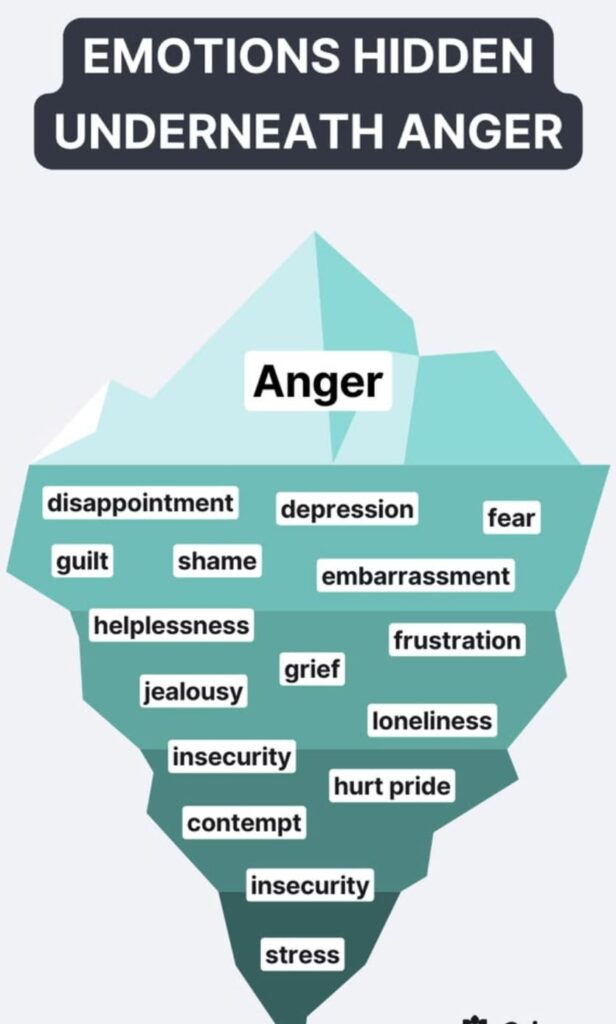
Anger is one of the most misunderstood human emotions. It can appear suddenly during an argument, build gradually under daily stress, or remain hidden behind silence, frustration, and emotional withdrawal.
Anger is a natural human emotion that can arise when someone feels threatened, frustrated, hurt, disrespected, or treated unfairly. Although experiencing anger is normal, understanding its triggers, recognizing early warning signs, and learning healthy emotional regulation strategies can help prevent destructive reactions.
Almost everyone experiences anger at some point. You might feel angry when someone disrespects you, ignores your boundaries, treats you unfairly, or repeatedly disappoints you. Sometimes, even a minor inconvenience can trigger a surprisingly strong reaction, particularly when you are already emotionally exhausted.
But why does anger sometimes feel so difficult to control?
Understanding anger is not about eliminating an emotion or pretending that nothing bothers you. It is about recognizing what triggers your reactions, understanding what happens in your mind and body, and learning healthier ways to respond.
In this guide, we explore what anger means, why it happens, its emotional and physical warning signs, common triggers, its effects on relationships and wellbeing, and practical strategies for managing it.
What Is Anger?
Anger is a natural human emotion that develops in response to situations perceived as threatening, frustrating, unfair, hurtful, or disrespectful.
It can range from mild irritation to intense frustration and rage. Its intensity depends on the situation, personal experiences, emotional state, and how someone interprets what is happening.
For example:
- A colleague takes credit for your work, making you feel disrespected.
- Someone repeatedly interrupts you during an important conversation.
- A family member ignores a boundary you have clearly communicated.
- You experience unexpected problems when you are already under pressure.
In these situations, anger may signal that something feels wrong or that an important need, expectation, or boundary has been overlooked.
However, feeling angry does not automatically mean that your interpretation of a situation is accurate. Pausing to understand what happened can help separate facts from assumptions.
An important distinction: Anger is an emotion, whereas aggression is a behaviour that may involve intimidation, threats, or attempts to harm someone. A person can experience intense anger without becoming aggressive.
Why Do People Get Angry?
There is no single explanation for anger. Different situations, thoughts, experiences, and environmental pressures can contribute to it.
Understanding the possible causes can help you recognize patterns rather than treating every angry reaction as an isolated incident.
1. Feeling Disrespected or Unfairly Treated
Feeling ignored, humiliated, criticized, or treated unfairly can trigger anger.
For example, imagine that you regularly contribute to a team project but your efforts are never acknowledged. Over time, you may experience resentment and frustration.
In this situation, anger may be connected to an unmet need for recognition, fairness, or respect.
2. Stress and Emotional Overload
When several responsibilities accumulate, your ability to respond calmly to everyday difficulties may become more challenging.
Work deadlines, financial pressure, family responsibilities, and personal problems can contribute to emotional exhaustion.
A small disagreement may then feel much bigger than it would under less stressful circumstances.
3. Unresolved Emotional Experiences
Past experiences can influence how people respond to present situations.
For example, someone who has repeatedly experienced criticism may become particularly sensitive to negative feedback.
A current disagreement might activate feelings associated with earlier experiences.
This does not mean every angry reaction comes from past trauma. It means personal history can sometimes influence emotional responses.
4. Frustration and Unmet Expectations
Anger can develop when reality does not match expectations.
You might become frustrated when plans change unexpectedly, someone fails to keep a promise, or a situation remains outside your control.
Repeated disappointment can make frustration more difficult to manage.
5. Feeling Powerless
People may experience anger when they feel unable to influence an important situation.
This can happen in difficult workplaces, family conflicts, financial challenges, or relationships where their opinions are repeatedly dismissed.
Sometimes anger becomes a response to feeling unheard or having limited control.
6. Physical Exhaustion and Lifestyle Pressures
Lack of sleep, ongoing stress, physical discomfort, and substance use can influence mood and emotional regulation.
When someone is exhausted, everyday frustrations may become harder to tolerate.
Paying attention to physical wellbeing is therefore an important part of understanding emotional reactions.
What Are Common Anger Triggers?
An anger trigger is a situation, experience, thought, or interaction that contributes to an angry emotional response.
Triggers differ between individuals. Something that feels extremely frustrating to one person may not bother someone else.
Common anger triggers include:
- Being interrupted or ignored.
- Feeling criticized or embarrassed.
- Experiencing dishonesty or betrayal.
- Being treated unfairly.
- Having personal boundaries violated.
- Experiencing repeated disappointments.
- Feeling misunderstood during conversations.
- Facing unexpected changes or loss of control.
- Being under continuous work or family pressure.
How to Identify Your Personal Anger Triggers
Try keeping a simple anger journal for one week.
After an upsetting situation, write down:
- What happened? Describe the situation without judging anyone.
- What did you feel? Identify the emotion that appeared.
- What did you think? Notice the thoughts that accompanied your reaction.
- How did your body respond? Record physical warning signs.
- How did you react? Describe what you said or did.
- What could you try differently? Identify one healthier response.
Over time, this exercise may help reveal recurring patterns.
For example, you might discover that your strongest reactions happen when you feel ignored, rushed, or criticized.
Recognizing these patterns gives you an opportunity to prepare for difficult situations.
What Are the Emotional and Physical Signs of Anger?
Anger does not always appear as shouting or visible frustration. Sometimes it develops internally before anyone else notices a change.
Recognizing early warning signs can help you pause before your emotions become overwhelming.
Physical Signs
Anger can activate the body’s stress response.
Possible physical signs include:
- Increased heart rate.
- Faster or shallower breathing.
- Tightened muscles.
- Clenched fists or jaw.
- Feeling hot or flushed.
- Sweating.
- Chest tightness.
- Headaches or physical tension.
Not everyone experiences the same physical symptoms, and these signs can also occur with other emotional or physical conditions.
Emotional Signs
Emotional experiences associated with anger may include:
- Irritability.
- Frustration.
- Resentment.
- Feeling humiliated.
- Feeling threatened.
- Impatience.
- Difficulty relaxing.
- Persistent thoughts about an upsetting situation.
Behavioural Signs
Changes in behaviour may include:
- Raising your voice.
- Interrupting others.
- Withdrawing from conversations.
- Giving someone the silent treatment.
- Making sarcastic comments.
- Slamming doors.
- Throwing or damaging objects.
- Making threats or behaving aggressively.
Some people express anger openly, while others hide it or direct their frustration inward.
Recognizing these differences is important because anger does not look the same in everyone.
Different Ways People Experience and Express Anger
Anger can appear in several forms. These descriptions are useful for understanding behaviour, but they are not formal clinical diagnoses.
1. Explosive Anger
Some people react quickly and intensely when frustrated.
Their reactions may include shouting, aggressive language, or impulsive behaviour.
They may later regret what they said or did.
2. Suppressed Anger
Some individuals avoid expressing anger because they fear confrontation, rejection, or conflict.
They may pretend everything is fine while privately experiencing frustration or resentment.
Suppressing emotions does not necessarily resolve the underlying issue.
3. Passive-Aggressive Behaviour
Passive-aggressive behaviour involves expressing frustration indirectly rather than communicating concerns openly.
Examples may include deliberately delaying tasks, using sarcastic comments, or withdrawing cooperation to express displeasure.
4. Chronic Irritability
Some people experience frequent frustration or irritability across different situations.
They may feel easily annoyed, struggle to relax, or find ordinary inconveniences unusually difficult to tolerate.
Persistent irritability can have different contributing factors and may deserve professional attention when it interferes with daily life.
5. Reactive Anger
Reactive anger occurs in response to a particular event or perceived threat.
For example, someone might react strongly after receiving unexpected criticism or experiencing a heated disagreement.
Understanding the situation, thoughts, and physical warning signs surrounding the reaction can help identify opportunities for change.
How Can Anger Affect Your Mental and Physical Wellbeing?
Experiencing anger occasionally is a normal part of life. However, frequent or poorly managed anger can affect several areas of wellbeing.
1. Mental and Emotional Wellbeing
Repeated anger may contribute to ongoing emotional tension, frustration, rumination, and difficulty relaxing.
Some people continue replaying arguments in their minds long after the situation has ended.
This can make it harder to concentrate, rest, or engage positively with everyday activities.
2. Physical Health
Intense emotional arousal can temporarily increase heart rate, blood pressure, and muscle tension.
Frequent anger and hostility have also been associated with health concerns, particularly in cardiovascular research.
However, anger alone does not establish that someone has a particular medical condition.
Persistent physical symptoms should be discussed with an appropriate healthcare professional.
3. Sleep Difficulties
Thinking repeatedly about upsetting situations can make it difficult to unwind before bedtime.
Emotional tension may interfere with relaxation and contribute to disrupted sleep.
If anger and sleep difficulties occur together regularly, addressing the underlying stressors may be helpful.
4. Workplace Challenges
Unmanaged anger can affect professional communication, teamwork, decision-making, and workplace relationships.
Reacting impulsively to criticism or disagreements may create additional conflict.
Learning to communicate concerns calmly can help protect professional relationships while still allowing you to express your needs.
5. Relationship Difficulties
Frequent arguments, hostile communication, and emotional withdrawal can damage trust.
Family members, partners, and friends may feel anxious about expressing their opinions if they expect an angry reaction.
Healthy relationships require room for disagreement without intimidation or aggression.
How to Manage Anger in Healthier Ways
Managing anger does not mean ignoring your feelings or accepting unfair treatment.
It means learning how to recognize emotional signals and choose responses that do not create additional harm.
The following strategies can help you develop healthier emotional regulation habits.
1. Recognize Your Early Warning Signs
Notice what happens before you become extremely angry.
Perhaps your breathing becomes faster, your shoulders tighten, or your thoughts become increasingly negative.
Recognizing these early signals gives you an opportunity to pause before reacting.
2. Take a Time-Out
When a conversation becomes too intense, consider stepping away temporarily.
You could say:
“I need a little time to calm down. Let’s continue this conversation later.”
A time-out should not be used to punish or intimidate someone. Explain that you intend to return to the discussion when you can communicate more calmly.
3. Practice Slow Breathing
Slow, controlled breathing can help you settle when you feel emotionally overwhelmed.
Try this simple exercise:
- Sit comfortably.
- Relax your shoulders.
- Breathe in gently.
- Breathe out slowly, making your exhalation slightly longer.
- Repeat for several comfortable cycles.
Stop if you feel dizzy or uncomfortable.
4. Challenge Unhelpful Thoughts
Anger can make situations appear more extreme.
For example:
Automatic thought: “Nobody ever respects me.”
More balanced thought: “I feel disrespected in this situation. I need to understand what happened and communicate my concern.”
This approach does not dismiss your feelings. It helps you consider the situation without allowing one upsetting moment to define everything.
5. Communicate Your Feelings Clearly
Healthy communication allows you to express concerns without attacking another person.
Instead of saying:
“You never listen to me!”
Try:
“I feel unheard when I cannot finish explaining my thoughts. Can we take turns speaking?”
Clear communication focuses on the specific behaviour and the change you would like to see.
6. Make Regular Physical Activity Part of Your Routine
Walking, swimming, cycling, yoga, or other enjoyable activities can support general wellbeing and help reduce stress.
You do not need an intense workout to begin.
A regular walk or short movement break can be a practical starting point.
7. Improve Your Sleep Routine
Sleep and emotional regulation are closely connected.
Try maintaining a consistent bedtime, reducing stimulating activities before sleep, and creating a comfortable sleeping environment.
If sleep difficulties continue, consider discussing them with a healthcare professional.
8. Learn to Set Healthy Boundaries
Boundaries help communicate what behaviour you are comfortable with and what you are not.
For example:
“I am willing to discuss this, but I cannot continue the conversation while we are shouting at each other.”
Boundaries should be communicated clearly and consistently.
They are not a way to control another person’s behaviour.
9. Avoid Using Harmful Coping Methods
Alcohol and recreational drugs are not reliable ways to manage anger. They may impair judgment and increase the risk of harmful behaviour.
Instead, try healthier activities such as journaling, talking with someone you trust, taking a walk, or practicing relaxation techniques.
10. Seek Professional Support When Needed
If anger frequently feels uncontrollable or affects your relationships, work, or safety, consider speaking with a qualified mental health professional.
A psychologist or appropriately trained therapist can help identify patterns and develop an individual management plan.
Cognitive behavioural therapy (CBT) is one approach that may help people examine unhelpful thinking patterns and develop healthier responses.
When Does Anger Become a Problem?
There is no single amount of anger that automatically means someone has an anger problem.
However, it may be time to seek additional support if:
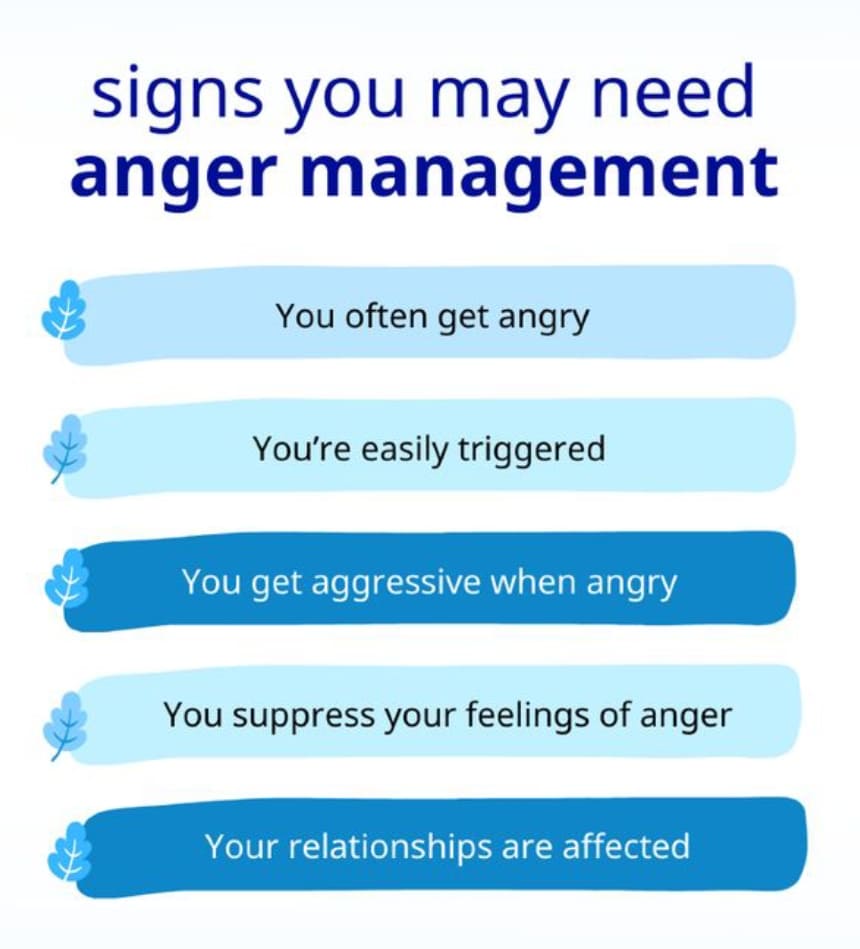
- You become angry frequently and struggle to calm down.
- Your reactions regularly damage relationships.
- You shout, threaten, or intimidate others.
- You break objects or become physically aggressive.
- You feel unable to control your behaviour.
- You frequently regret things you say or do when angry.
- Anger interferes with work, family responsibilities, or everyday activities.
- You experience persistent resentment or thoughts of revenge.
If you are concerned that you might hurt yourself or someone else, prioritize immediate safety. Move away from the confrontation if possible, avoid access to weapons or other dangerous objects, and contact local emergency services or urgent mental health support.
Seeking help is not a sign of weakness. It is a responsible step towards protecting yourself and others.
A Simple Daily Practice for Better Anger Awareness
Building healthier responses takes practice. You do not need to change everything overnight.
Try this five-step daily reflection:
| Practice | What to do |
|---|---|
| Morning awareness | Identify how you feel before starting the day |
| Trigger observation | Notice situations that increase frustration |
| Emotional pause | Take a moment before responding |
| Healthy expression | Communicate your concerns respectfully |
| Evening reflection | Review one situation you handled well or could improve |
The purpose is not to achieve perfect emotional control.
It is to become more aware of your reactions and gradually develop healthier habits.
Frequently Asked Questions About Anger
1. Is anger a normal human emotion?
Yes. Anger is a normal human emotion that can arise in response to frustration, perceived injustice, hurt, or threats. The important consideration is how someone expresses and manages it.
2. Why do I get angry over small things?
Small frustrations can feel more intense when you are already stressed, tired, overwhelmed, or dealing with unresolved concerns. Identifying recurring triggers may help you understand these reactions.
3. What are the common signs of anger issues?
Possible warning signs include frequent irritability, difficulty calming down, repeated arguments, aggressive behaviour, and negative effects on personal or professional relationships. These signs do not independently establish a diagnosis.
4. Can anger affect relationships?
Yes. Frequent shouting, hostility, intimidation, and withdrawal can weaken trust and communication. Learning to express concerns respectfully can help improve relationship interactions.
5. How can I calm myself down when angry?
Try pausing, stepping away from an escalating conversation, slowing your breathing, and returning to the issue when you feel calmer. Regularly practicing these techniques may make them easier to use.
6. Is suppressing anger healthy?
Repeatedly hiding anger without addressing its underlying cause may contribute to resentment and communication difficulties. A healthier approach is to acknowledge the feeling and express concerns constructively.
7. When should I seek professional help for anger?
Consider professional support when anger is difficult to manage, frequently affects daily life, damages relationships, or leads to threats or aggression. Immediate help is important when there is a risk of harm.
Final Thoughts: Understanding Anger Is the First Step Towards Change
Anger does not make you a bad person. It is a human emotion that can communicate frustration, disappointment, hurt, or a perceived threat.
What matters is learning to recognize the emotion without allowing it to dictate harmful behaviour.
When you understand your triggers, recognize early warning signs, communicate your needs, and practice healthier coping strategies, you can gradually develop better emotional awareness.
You do not have to eliminate anger to improve your wellbeing. You can learn to respond to it differently.
At mindnesto, we believe emotional wellbeing begins with understanding yourself.
Explore your emotions, recognize your patterns, and take small steps towards healthier responses.
Start your journey at mindnesto.com.
Medical Disclaimer
This article is intended for general educational and informational purposes only. It does not provide medical or psychological diagnosis, treatment, or individualized professional advice. Persistent or severe anger, aggressive behaviour, or concerns about personal safety should be discussed with a qualified healthcare or mental health professional.
References and Further Reading
- NHS – Anger: Get help with anger
- American Psychological Association – Understanding Anger
- American Psychological Association – Control Anger Before It Controls You
- NHS Inform – How to Control Your Anger
- Healthdirect Australia – Anger Management
Editorial note: Content prepared for general education using the above authoritative resources. It has not been independently medically reviewed.