



By Mindnesto Editorial Team · Updated June 2026 · 10 min read
Reviewed for medical accuracy — sources cited from NHS, NIH, APA, Psychiatry Research and peer-reviewed clinical research
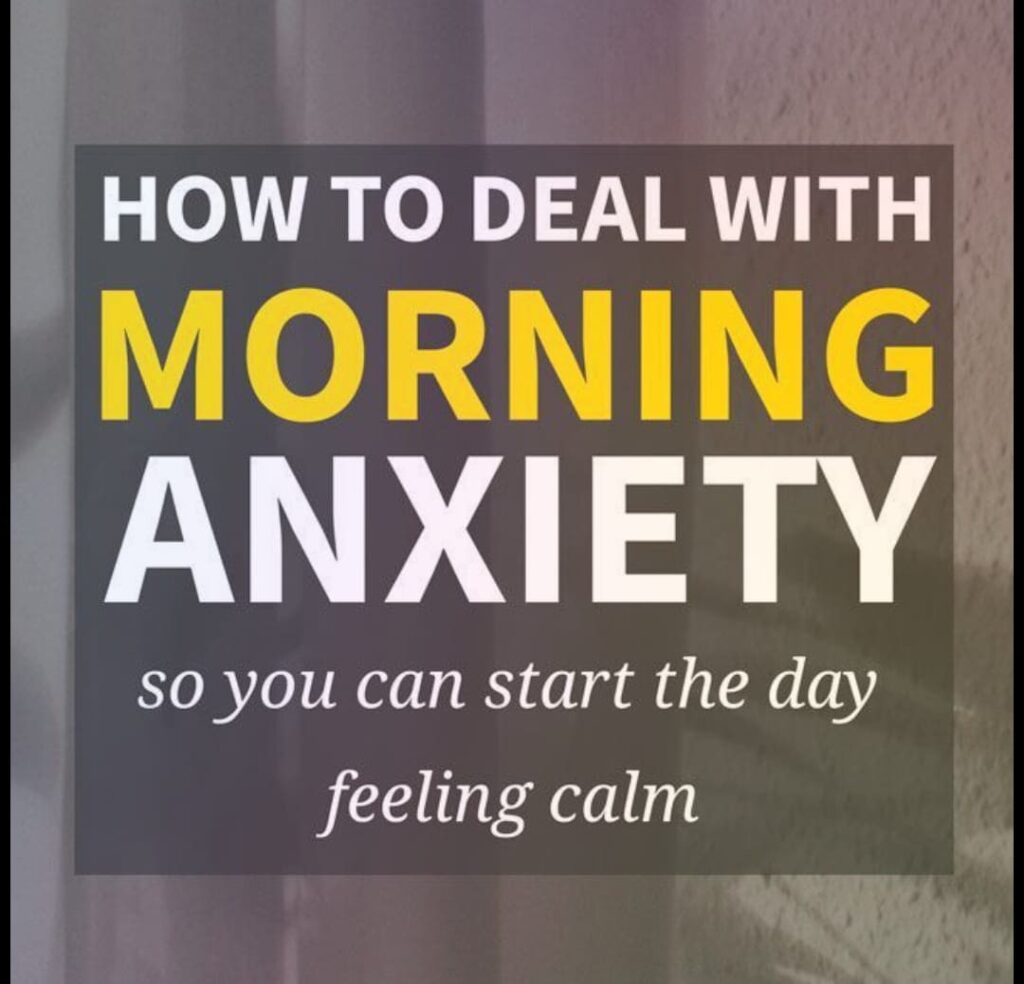
Morning anxiety hits before the day has even started. Your alarm sounds. And instead of waking gradually into calm, you are already bracing — chest tight, heart beating faster than it should, mind scanning for problems before your eyes are fully open. The dread arrives first, before the coffee, before the news, before anything has actually gone wrong.
If this is your daily experience, you are not imagining it. You are not weak. And you are far from alone. Morning anxiety is one of the most common anxiety presentations seen in primary care settings across the USA, UK, Canada, and Australia — and one of the most misunderstood. Most people who live with it assume they are simply anxious people, and this is just how mornings feel. In reality, morning anxiety has specific, well-understood biological and psychological causes — and highly effective treatments that Verywell Mind and most generic health websites barely scratch the surface of.
This guide covers the complete science of morning anxiety — the neurobiology, the psychological maintaining mechanisms, the 2026 research — and gives you 10 specific, evidence-based strategies to stop waking up in dread.
We have connected this to our posts on science-backed ways to calm anxiety and sleep optimization strategies — because morning anxiety, sleep quality, and daily anxiety management are inseparable systems that must be addressed together for genuine relief.
What Is Morning Anxiety — The Clinical Picture
Morning anxiety is not a formal standalone diagnosis in the DSM-5 or ICD-11. Rather, it describes a consistent pattern of intense anxiety, dread, or apprehension that occurs shortly after waking — often before any obvious trigger has presented itself.
It is, however, a clinically recognised and widely experienced phenomenon. As the NHS acknowledges, anxiety that follows predictable patterns — particularly those tied to specific times of day or anticipatory situations — is characteristic of both generalised anxiety disorder (GAD) and panic disorder. Morning anxiety frequently represents the diurnal peak of an disorder that operates at lower intensity throughout the day.
What makes anxiety clinically distinctive is its timing — and the specific biological events that occur in the first 30–60 minutes after waking make mornings a genuinely high-risk window for people with anxiety vulnerability.
Symptoms — What It Actually Feels Like
Morning anxiety produces a recognisable cluster of physical and psychological symptoms that typically peak in the first 30–90 minutes after waking:
Physical symptoms:
- Racing or pounding heartbeat on waking
- Chest tightness or shallow breathing
- Nausea or churning stomach before eating
- Sweating or physical restlessness
- Muscle tension — particularly in the shoulders, jaw, and chest
- Fatigue that does not lift despite adequate sleep
Psychological symptoms:
- Immediate dread or sense of impending doom on waking
- Racing thoughts that jump immediately to the day’s challenges
- Difficulty distinguishing realistic concerns from catastrophic ones
- Feeling overwhelmed before the day has started
- A persistent sense of being “already behind”
- Irritability and low frustration tolerance
In more severe cases, morning anxiety can escalate into a full panic attack in the first minutes after waking — a phenomenon called a nocturnal or early morning panic attack that is directly related to the biological events discussed below. For complete guidance on managing panic, our panic attack guide covers the immediate intervention protocol in detail.
What Causes Morning Anxiety — The Biology Behind the Dread
Understanding what causes anxious mornings is genuinely therapeutic — because the moment you understand that your morning dread has a specific, identifiable biological cause, it stops feeling like evidence that something is fundamentally wrong with you.
The Cortisol Awakening Response — The Primary Driver
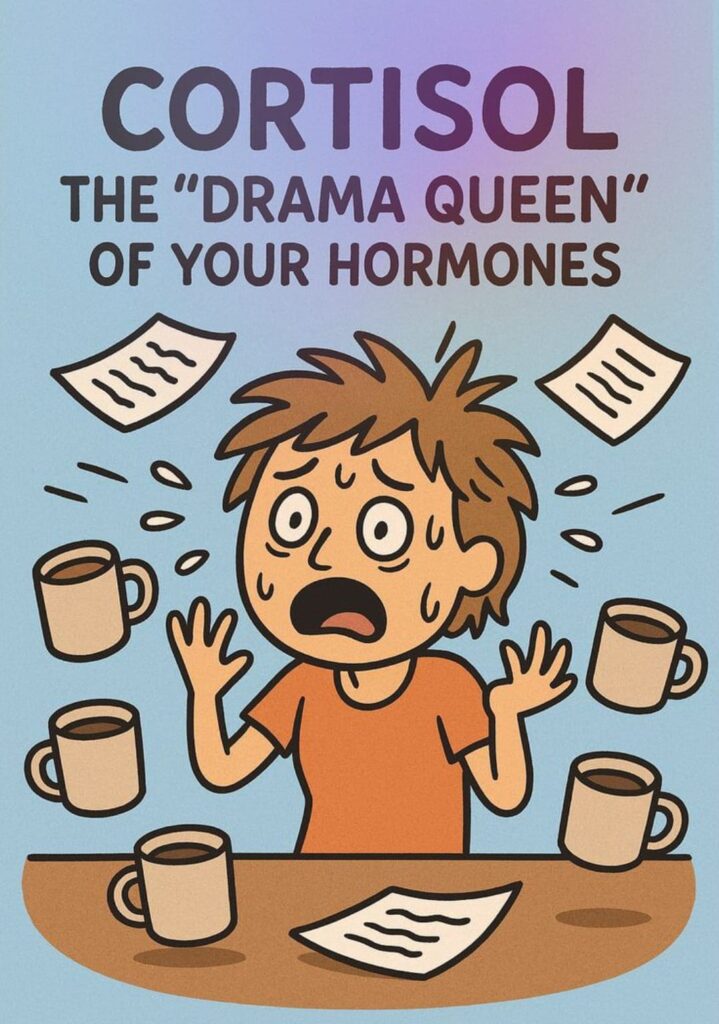
The most important biological mechanism behind waking anxiety is the Cortisol Awakening Response (CAR) — a natural, universal physiological event that occurs in every human being within 30–45 minutes of waking.
Cortisol — your body’s primary stress hormone — follows a predictable 24-hour rhythm governed by your circadian clock. It reaches its lowest point in the early hours of sleep and then begins rising approximately 2 hours before your expected wake time. In the first 30–45 minutes after waking, cortisol surges by 50–160% above its baseline level — a spike so significant that researchers have given it its own name.
According to the National Institutes of Health (NIH), the cortisol awakening response serves an important evolutionary function — mobilising energy, sharpening cognitive alertness, and preparing the immune system for the demands of the waking day. In people without anxiety, this cortisol surge produces alertness and readiness. In people with anxiety vulnerability, the same cortisol surge activates the amygdala — the brain’s threat-detection centre — at a level that produces genuine fear and dread before any actual threat is present.
Furthermore, research published in Psychiatry Research in 2024 demonstrated that amygdala reactivity — the brain region responsible for processing fear — is measurably elevated in the morning cortisol window in anxious individuals. This is not imagination. It is measurable neurobiology.
Blood Sugar Instability — The Overlooked Morning Dread Driver
The second major biological contributor to wake up start receives far less attention than cortisol — yet it is equally significant for many people.
After 7–9 hours of overnight fasting, blood glucose levels are naturally low when you wake. For most people, this mild hypoglycaemia is resolved within minutes of waking through normal glucose regulation. However, for people with anxiety, low blood sugar activates the sympathetic nervous system — the fight-or-flight system — releasing adrenaline to raise blood glucose through glycogenolysis.
The adrenaline release that accompanies low morning blood sugar produces physical symptoms — trembling, heart palpitations, shakiness, and mental agitation — that are physiologically indistinguishable from anxiety. For anxious individuals who catastrophically misinterpret these sensations (applying Clark’s Cognitive Model of panic), the blood sugar-driven physical symptoms trigger full anxiety escalation before breakfast.
REM Sleep and Emotional Processing — Why Sleep Quality Shapes Your Mornings
Your emotional state upon waking is directly shaped by the quality of your REM sleep in the hours before waking — a finding with profound implications for morning discomfort.
Dr. Matthew Walker of UC Berkeley has demonstrated that REM sleep — which dominates the later sleep cycles of the night — is the phase in which the brain processes emotional memories and regulates the amygdala’s threat sensitivity. Specifically, adequate REM sleep reduces the emotional charge of distressing experiences and restores the prefrontal cortex’s capacity to regulate the amygdala.
When REM sleep is disrupted — by alcohol, inconsistent sleep timing, sleep apnoea, or chronic sleep restriction — this emotional processing is incomplete. The result is a brain that wakes with a hyperactivated amygdala that has not been adequately regulated overnight. Morning anxiety is frequently the direct experience of this neurological state.
This connection between sleep quality and is why addressing sleep is not simply a supportive strategy — it is a primary morning anxiety intervention. Our sleep optimization guide provides the complete framework.
The Alcohol Rebound Effect — A Hidden Morning Anxiety Cause
Alcohol is one of the most common but least recognised contributors to early anxiety — and one of the most important to understand because it operates through a mechanism that directly contradicts the subjective experience of using alcohol.
While alcohol temporarily reduces anxiety by enhancing GABA activity, it produces a cortisol rebound in the second half of the night as it metabolises. This rebound raises cortisol significantly above its normal baseline — meaning that people who drink in the evening wake with abnormally elevated cortisol on top of the already-significant cortisol awakening response.
The result is what many people describe as “hangxiety” — a morning anxiety state that is measurably more severe after alcohol consumption, even at moderate levels. Research from the NHS alcohol guidance confirms that alcohol significantly disrupts sleep architecture and raises anxiety the following morning.
Anticipatory Anxiety — The Psychological Engine of Morning Dread
Beyond the biological factors, morning anxiety is maintained by a powerful psychological mechanism: anticipatory anxiety — the cognitive habit of scanning the upcoming day for threats, problems, and failure scenarios immediately upon waking.
As research cited by Forbes Psychology in 2026 explains, morning stress rarely comes from nowhere. It is generated by the brain’s automatic tendency to catastrophise about the day ahead — running through worst-case scenarios for upcoming meetings, conversations, deadlines, and social situations before a single one has occurred.
Dr. Aaron Beck’s negative cognitive triad — the tendency of anxious and depressed individuals to hold negative views of the self, the world, and the future — activates most powerfully in the morning cortisol window, when the amygdala’s heightened reactivity makes catastrophic interpretations feel most convincing.
Who Is Most Vulnerable to Morning Anxiety — And Why
early affects people across all demographics — but research identifies specific vulnerability factors that significantly increase its likelihood and severity.
Waking Anxiety and Chronotype
Your chronotype — your biological preference for morning or evening activity — has a direct bearing on early anxiety vulnerability. Research published in Frontiers in Psychology found that evening chronotypes (people whose biological clock prefers later sleep and wake times) show significantly elevated cortisol awakening responses when forced to wake earlier than their biological preference — a phenomenon called social jet lag that creates a morning anxious feelings window entirely driven by circadian misalignment.
Wake Up Anxiety and Depression
Morning anxiety is one of the most consistent early signs of a developing depressive episode — and the relationship runs in both directions. Depression disrupts REM sleep, impairs cortisol regulation, and activates the negative cognitive triad most powerfully in the morning hours. Conversely, severe morning anxiety that persists across weeks can precipitate depression through sleep disruption, social withdrawal, and progressive avoidance.
If your early anxiety is accompanied by persistent low mood, anhedonia, or feelings of hopelessness, our depression mental health guide provides critical context and treatment pathways.
Morning Anxiety in Pregnancy
Pregnancy significantly increases waking anxiety vulnerability through multiple mechanisms — including elevated progesterone affecting GABA receptor sensitivity, disrupted sleep architecture from physical discomfort, blood sugar instability from pregnancy metabolic changes, and anticipatory anxiety about the pregnancy, birth, and parenthood itself.
Perinatal morning anxiety is a clinically important presentation that warrants specific assessment from a GP or midwife — and responds well to CBT adaptations designed specifically for the perinatal period.
10 Evidence-Based Strategies to Stop
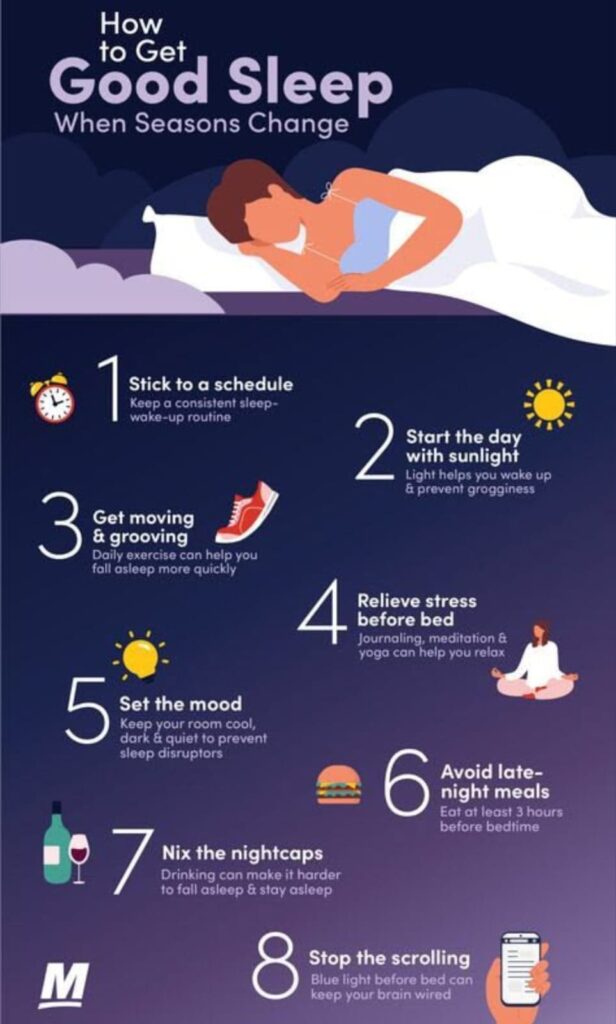
Use Morning Sunlight to Reset Your Cortisol Pattern
This is the single highest-leverage anxiety intervention available — and it is completely free. Dr. Andrew Huberman of Stanford University has extensively researched the impact of morning light exposure on cortisol timing and amygdala regulation.
Getting 5–10 minutes of natural outdoor light exposure within 30 minutes of waking triggers the release of cortisol at the biologically optimal time — anchoring your cortisol awakening response to your actual wake time rather than allowing it to peak unpredictably. This anchoring effect significantly reduces the subjective experience of early anxiety by making the cortisol surge more predictable and controlled.
Furthermore, research published in Psychiatry Research in 2024 — referenced in our search research — demonstrated that morning light therapy over four weeks significantly reduced amygdala reactivity, directly targeting the neurological mechanism driving the state.
To implement this immediately:
- Step outside within 30 minutes of waking — even on overcast days
- Do not wear sunglasses during this morning light window
- Combine with a gentle walk for compounded morning anxiety benefit
- If waking before sunrise, use a 10,000 lux light therapy lamp directed at your face for 10–15 minutes
Eat Within 60 Minutes of Waking — Address Blood Sugar Immediately
Given blood sugar instability’s role in morning anxiety, eating a nutritious breakfast within 60 minutes of waking is a primary morning anxiety intervention — not simply a general health recommendation.
The most important breakfast principle for morning anxiety is combining protein, healthy fat, and complex carbohydrates — a combination that stabilises blood glucose and prevents the adrenaline-driven hypoglycaemic response that worsens morning symptoms.
Morning anxiety-reducing breakfast choices:
- Eggs with whole grain toast and avocado
- Greek yoghurt with oats and berries
- Nut butter on wholegrain bread with a piece of fruit
- Overnight oats with seeds and banana
Avoid for morning anxiety: High-sugar cereals, pastries, and fruit juice alone — all of which produce rapid glucose spikes followed by crashes that reactivate the cortisol-adrenaline cycle.
Delay Caffeine Until 90 Minutes After Waking
This is one of the most counterintuitive yet most evidence-based strategies — and one that Dr. Andrew Huberman specifically recommends based on cortisol physiology.
Consuming caffeine immediately upon waking — during the peak cortisol window — adds stimulant activation to an already-elevated cortisol state, significantly amplifying symptoms. Furthermore, early caffeine consumption builds adenosine tolerance faster — increasing afternoon fatigue and disrupting sleep, which worsens the next morning’s anxiety.
By delaying caffeine until 90–120 minutes after waking, you allow the cortisol awakening response to resolve naturally before adding caffeine stimulation. Most people who implement this report a significant reduction in morning anxiety within one week.
Implement a Structured Morning Routine — The Predictability Protocol
Morning anxiety thrives in unstructured, reactive mornings — where the first conscious acts involve checking phones, responding to notifications, or immediately confronting the day’s demands. Conversely, a structured morning routine creates predictability that directly counteracts the amygdala’s morning hyperreactivity.
Research on behavioural activation — a core component of CBT for anxiety — consistently shows that a predictable morning sequence of positive, chosen activities significantly reduces morning anxiety within 2–3 weeks of consistent implementation.
A early anxiety-reducing routine structure:
- Wake → immediate morning light (5–10 minutes outdoors)
- Gentle movement — stretching, yoga, or a short walk (10–15 minutes)
- Nutritious breakfast (no phone during eating)
- Brief journaling or intention-setting (5–10 minutes)
- Caffeine — 90+ minutes after waking
- Phone and email — no earlier than 30 minutes into your day
Use Box Breathing to Reset Your Nervous System on Waking
Before getting out of bed — in the moment when anxiety is at its most acute — box breathing provides an immediate parasympathetic nervous system intervention that directly counteracts the cortisol-amygdala activation.
The complete technique is covered in our anxiety guide — but the morning-specific application is:
- Before opening your phone or getting up, place both hands on your belly
- Breathe in through your nose — 4 counts
- Hold — 4 counts
- Breathe out slowly through your mouth — 4 counts
- Hold — 4 counts
- Repeat 6 cycles before rising
This 3-minute practice — done lying in bed before any digital input — measurably reduces cortisol and activates the vagus nerve, shifting your nervous system toward parasympathetic dominance before your feet hit the floor.
Practise Pre-Sleep Worry Journaling to Reduce Anticipatory Early Distress
Because anticipatory anxiety is a primary psychological driver of morning dread, addressing it the evening before is as important as morning strategies.
Research from Harvard Medical School confirms that writing out your anticipated concerns, tasks, and worries before sleep — in a structured journaling format — significantly reduces the early morning activation of anticipatory anxiety by externalising cognitive content before it can intrude on waking.
The pre-sleep morning anxiety journal:
- Write every outstanding concern or tomorrow-task onto paper 30–60 minutes before bed
- For each item, write one small, specific action you will take — this converts abstract anxiety into concrete intention
- Close the journal and consciously decide you have addressed the day — it can wait until morning
- Avoid reviewing the journal upon waking — instead, trust that it exists and return to it only after your morning routine is complete
Address Alcohol — The Single Most Impactful Lifestyle Change
If you drink alcohol regularly — even at moderate levels — and experience early stress, reducing or eliminating alcohol is likely the single most impactful lifestyle change available to you.
The cortisol rebound mechanism means that even two or three drinks in the evening can double your morning cortisol spike the following day. Most people who eliminate alcohol for two to four weeks report dramatic improvements in morning anxiety — often more significant than any other single intervention.
Practical alcohol reduction strategies are covered in our burnout prevention strategies — where alcohol is identified as a primary burnout and anxiety accelerator.
8. Optimise Your Evening for Better Morning Anxiety Outcomes
What you do in the evening directly determines your waking stress experience — through its impact on cortisol, REM sleep, and blood glucose on waking.
Evening habits that reduce morning anxiety:
- Consistent sleep time — anchors cortisol timing
- Screen-free final 60 minutes — allows melatonin production
- Avoid eating within 2 hours of sleep — stabilises overnight blood glucose
- Keep bedroom at 16–19°C — optimises REM sleep quality
- Avoid alcohol after 6pm — minimises cortisol rebound on waking
9. Use CBT Techniques for Morning Catastrophic Thinking
Because anticipatory anxiety is a cognitive process, Cognitive Behavioural Therapy (CBT) techniques that directly address catastrophic morning thinking are among the most evidence-based morning anxiety interventions available.
The key CBT technique for morning anxiety is cognitive restructuring — the systematic examination and challenging of catastrophic thoughts about the upcoming day:
- Identify the morning anxiety thought — “Today is going to be awful — I cannot cope with the meeting”
- Examine the evidence — Has today’s specific meeting actually gone badly before? What is the realistic worst case versus the catastrophised one?
- Generate a balanced alternative — “I have managed challenging meetings before. I am prepared. The outcome is not predetermined.”
- Rate belief in the catastrophic thought before and after — most people find that even a brief examination significantly reduces the subjective intensity of morning anxiety thoughts
10. Seek Professional Support — When Morning Anxiety Needs Clinical Attention
If consistently lasts more than 60–90 minutes, significantly impairs your ability to start your day, involves physical symptoms that concern you, or has been present for more than a month — professional assessment and support is both appropriate and important.
Professional morning anxiety support options:
- UK: NHS Talking Therapies — free self-referral for anxiety-focused CBT | GP for medical assessment
- USA: ADAA Therapist Finder | Primary care physician for cortisol or thyroid assessment
- Canada: CAMH — anxiety resources and referrals
- Australia: Beyond Blue — 1300 22 4636 | GP referral for Mental Health Care Plan
Key Takeaways
Why morning anxiety happens and how to stop it:
- The Cortisol Awakening Response (CAR) produces a 50–160% cortisol spike in the first 30–45 minutes after waking — the primary biological driver of morning stress
- Blood sugar instability after overnight fasting activates the sympathetic nervous system, mimicking anxiety symptoms
- Disrupted REM sleep — from alcohol, inconsistent schedules, or sleep disorders — leaves the amygdala hyperactivated on waking
- Anticipatory anxiety — catastrophising about the upcoming day — is the primary psychological maintaining mechanism
- Morning sunlight within 30 minutes of waking anchors cortisol timing and reduces amygdala reactivity — the highest-leverage free intervention
- Delaying caffeine 90 minutes prevents stimulant amplification of the morning cortisol peak
- Box breathing before rising activates the vagus nerve and shifts nervous system balance before the day begins
- Pre-sleep journaling reduces anticipatory morning anxiety by externalising concerns before sleep
- Eliminating or reducing alcohol removes the cortisol rebound mechanism that dramatically worsens morning anxiety
- Professional CBT — addressing catastrophic morning thinking — produces the most lasting resolution
A Word From mindnesto-
At MindNesto, we believe morning anxiety is one of the most correctable anxiety patterns that exists — because its biological causes are specific, its psychological mechanisms are well-understood, and its interventions are genuinely effective when applied consistently.
Waking up in dread is not your permanent reality. It is a correctable neurobiological pattern — one that responds to morning light, blood sugar management, sleep optimisation, breathing practice, and the right cognitive tools applied at the right time.
You deserve mornings that feel like a beginning rather than a battle. 💙
→ Read next: 10 Science-Backed Ways to Calm Anxiety Without Medication
→ Also read: Sleep Optimization — 12 Strategies for Deeper Rest
Frequently Asked Questions
Why do I wake up with anxiety every morning?
Waking up with anxiety every morning is caused by a combination of the Cortisol Awakening Response (CAR) — a natural but anxiety-amplifying 50–160% cortisol spike in the first 30–45 minutes after waking — overnight blood sugar drops that activate the sympathetic nervous system, REM sleep disruption that leaves the amygdala hyperactivated, and the cognitive pattern of anticipatory anxiety
Is morning anxiety a sign of an anxiety disorder?
Morning anxiety can be a symptom of generalised anxiety disorder (GAD), panic disorder, or depression — but it can also occur in people without a diagnosable disorder during periods of high stress.
What is the cortisol awakening response?
The Cortisol Awakening Response (CAR) is a natural, universal physiological event in which cortisol levels spike by 50–160% above baseline within the first 30–45 minutes of waking. It serves the evolutionary function of mobilising energy and cognitive alertness for the waking day
Does alcohol make early anxiety worse?
Yes — significantly. Alcohol produces a cortisol rebound as it metabolises in the second half of the night, raising cortisol substantially above its normal baseline. This means that even moderate alcohol consumption in the evening compounds the already-significant Cortisol Awakening Response the following morning — producing measurably worse morning anxiety than would occur without alcohol. Most people who eliminate alcohol report dramatic improvements in morning anxiety within 2–4 weeks — often more significant than any other single intervention.
How long does morning anxiety last?
In most people, morning anxiety — driven primarily by the Cortisol Awakening Response — peaks within 30–60 minutes of waking and begins reducing naturally as cortisol levels normalise
What foods reduce early anxiety?
Foods that stabilise blood glucose and reduce cortisol reactivity are most beneficial for morning anxiety. The best morning anxiety-reducing foods include: eggs (protein and choline), oats (complex carbohydrate for stable glucose), Greek yoghurt (protein and probiotics), avocado (magnesium and healthy fats), berries (antioxidants and low glycaemic index), and banana (magnesium and tryptophan). Avoiding high-sugar foods, processed carbohydrates, and excessive caffeine on an empty stomach significantly reduces the blood sugar-driven component of morning anxiety.
Sources and External References
- NHS — Anxiety, Fear and Panic
- NIH — Cortisol Awakening Response
- APA — Anxiety Disorders
- Psychiatry Research — Morning Light Therapy 2024
- Frontiers in Psychology — Chronotype and Anxiety
- Journal of Anxiety Disorders
- NHS — Alcohol and Mental Health
- ADAA — Anxiety Disorders
- Mind UK — Anxiety
- NHS Talking Therapies
- NAMI USA
- CAMH Canada
- Beyond Blue Australia
- Behaviour Research and Therapy — CBT Anxiety



Great insight 👍
These are the problems ppl who have Morning anxiety face on the daily basis, i will implement these in my life