



By mindnesto Editorial Team · Updated June 2026 · 13 min read
Sources cited from Journal of Personality and Social Psychology, Social Psychological and Personality Science, VIA Institute and peer-reviewed social neuroscience research
Everyone experiences emotional highs and lows.
Feeling excited after good news or sad after a difficult event is a normal part of life. However, when mood changes become unusually intense, last for extended periods, or begin affecting relationships, work, and daily functioning, they may indicate something more than ordinary emotional ups and downs.
Many people search online asking, “Do I have bipolar disorder?” They may notice periods of unusually high energy followed by weeks of exhaustion and sadness. Others may have been encouraged by friends or family to seek professional advice after changes in behaviour became noticeable.
Although learning about bipolar disorder can help you understand your symptoms, no online article or self-assessment can provide a medical diagnosis.
This guide explains what bipolar disorder is, how it differs from normal mood changes, the common symptoms, available treatments, and when it is appropriate to seek professional help.
Key Takeaways
- Bipolar disorder is a medical condition involving episodes of elevated and depressed mood.
- Symptoms vary from person to person and may include mania, hypomania, and depression.
- A diagnosis requires evaluation by a qualified mental health professional.
- Effective treatment often combines medication, psychotherapy, and healthy lifestyle habits.
- Early diagnosis and ongoing treatment can improve long-term wellbeing and quality of life.
Quick Answer
Bipolar disorder is a mental health condition characterized by episodes of depression and episodes of elevated mood, known as mania or hypomania. Symptoms vary between individuals, and only a qualified healthcare professional can diagnose the condition through a comprehensive clinical assessment.
What Is Bipolar Disorder?
Bipolar disorder is a chronic mental health condition that affects mood, energy levels, thinking patterns, and behaviour.
Rather than experiencing occasional mood changes, people with bipolar disorder have distinct episodes that are significantly different from their usual emotional state.
These episodes generally fall into three categories:
- Mania
- Hypomania
- Depression
The intensity, duration, and frequency of these episodes differ from one individual to another.
With appropriate treatment, many people with bipolar disorder lead productive and fulfilling lives.
Why Bipolar Disorder Is Often Misunderstood
Many people use the phrase “bipolar” to describe someone who changes their mood quickly.
This is inaccurate.
Ordinary emotional changes happen in response to life events.
Bipolar disorder involves episodes that are far more intense and typically last for days or weeks. These episodes can affect judgment, relationships, work performance, finances, and overall wellbeing.
Because symptoms can resemble other mental health conditions, bipolar disorder is sometimes mistaken for depression, anxiety disorders, attention-deficit/hyperactivity disorder (ADHD), or other psychiatric conditions.
This is one reason why a professional evaluation is essential.
Types of Bipolar Disorder
Healthcare professionals generally classify bipolar disorder into several categories.
Bipolar I Disorder
Bipolar I disorder involves at least one manic episode.
Many individuals also experience episodes of major depression, although depression is not required for the diagnosis.
Manic episodes can become severe enough to require hospital care or significantly disrupt daily life.
Bipolar II Disorder
Bipolar II disorder involves episodes of major depression together with hypomania.
Hypomania is less severe than full mania but still represents a noticeable change from a person’s usual behaviour.
People with Bipolar II often spend more time experiencing depressive episodes than hypomanic episodes.
Cyclothymic Disorder
Cyclothymic disorder involves recurring periods of mild depressive symptoms and hypomanic symptoms that continue for at least two years in adults.
Although symptoms may not meet the full criteria for bipolar disorder, they can still affect daily functioning and quality of life.
Common Signs and Symptoms of Bipolar Disorder
Symptoms differ depending on whether someone is experiencing mania, hypomania, or depression.
Recognizing these patterns is an important first step toward seeking appropriate care.
Medical Disclaimer: This article is intended for educational and informational purposes only. It does not provide medical advice, diagnosis, or treatment. Bipolar disorder is a complex mental health condition that requires assessment by a qualified healthcare professional. If you are experiencing persistent mood changes, emotional distress, or symptoms that interfere with your daily life, consult a licensed physician, psychologist, or psychiatrist for a comprehensive evaluation. Never delay seeking professional medical advice because of information you have read online.
Signs and Symptoms of Mania
Mania is one of the defining features of bipolar disorder. It involves a period of unusually elevated mood, increased energy, and noticeable changes in thinking and behaviour that are different from a person’s usual self.
During a manic episode, these changes can become severe enough to interfere with work, relationships, finances, or personal safety.
According to the National Institute of Mental Health (NIMH), manic episodes often last at least one week or require immediate medical attention because of their severity.
Common Symptoms of Mania
A person experiencing mania may:
- Feel unusually energetic for several days.
- Sleep very little without feeling tired.
- Speak much faster than usual.
- Jump rapidly from one idea to another.
- Feel unusually confident or invincible.
- Become easily distracted.
- Start multiple projects without finishing them.
- Spend excessive amounts of money.
- Take unnecessary risks.
- Believe they possess special abilities or powers.
- Experience hallucinations or delusions in severe cases.
Not everyone experiences every symptom.
The intensity and combination of symptoms vary from one person to another.
What Is Hypomania?
Hypomania is similar to mania but less severe.
Although energy levels increase, most people remain able to continue working, studying, or managing daily responsibilities.
Because hypomania often feels productive or enjoyable, many individuals do not recognize it as a symptom of a mental health condition.
However, identifying hypomania is important because it can help healthcare professionals distinguish bipolar disorder from other mood disorders.
Common Symptoms of Hypomania
Hypomania may include:
- Increased confidence.
- Higher productivity.
- Talking more than usual.
- Needing less sleep.
- Feeling unusually optimistic.
- Increased creativity.
- Greater sociability.
- Mild impulsive behaviour.
Unlike mania, hypomania does not usually involve psychosis or require hospitalization.
Signs and Symptoms of Bipolar Depression
Many people associate bipolar disorder with periods of elevated mood.
However, depressive episodes are often longer and may have a greater impact on quality of life.
These episodes differ from ordinary sadness.
Symptoms typically persist for weeks and interfere with normal daily functioning.
Common Symptoms of Bipolar Depression
People may experience:
- Persistent sadness.
- Loss of interest in hobbies.
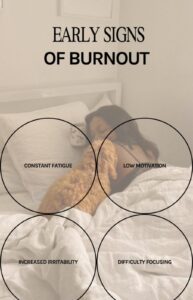
- Low motivation.
- Fatigue.
- Difficulty concentrating.
- Feelings of hopelessness.
- Excessive guilt.
- Changes in appetite.
- Sleeping too much or too little.
- Thoughts about death or suicide.
If someone experiences suicidal thoughts or believes they may act on them, they should seek immediate help from local emergency services or a qualified mental health professional.
Could Your Symptoms Be Something Else?
Several mental health conditions share symptoms with bipolar disorder.
This is why self-diagnosis is unreliable.
Conditions that may appear similar include:
- Major depressive disorder.
- Generalized anxiety disorder.
- ADHD.
- Borderline personality disorder.
- Schizoaffective disorder.
- Substance-induced mood disorders.
A qualified psychiatrist or psychologist considers symptom patterns, duration, personal history, and family history before making a diagnosis.
What Causes Bipolar Disorder?
Researchers believe bipolar disorder develops through a combination of biological, psychological, and environmental factors.
There is no single cause.
Several factors may increase the likelihood of developing the condition.
Genetics
Bipolar disorder tends to occur more frequently among close biological relatives.
Having a family member with bipolar disorder does not guarantee that another family member will develop it, but it may increase the likelihood.
Brain Function
Researchers continue to study how differences in brain structure and brain chemistry contribute to bipolar disorder.
Although significant progress has been made, no single brain scan can diagnose bipolar disorder.
Stressful Life Events
Stress does not directly cause bipolar disorder.
However, stressful life events may contribute to triggering episodes in people who are already vulnerable.
Examples include:
- Loss of a loved one.
- Divorce.
- Financial difficulties.
- Serious illness.
- Major life transitions.
Learning healthy stress management strategies may help reduce the impact of these triggers.
If you’re interested in practical ways to manage stress, read our upcoming guide on Stress Management Techniques That Actually Work.
Sleep Disruption
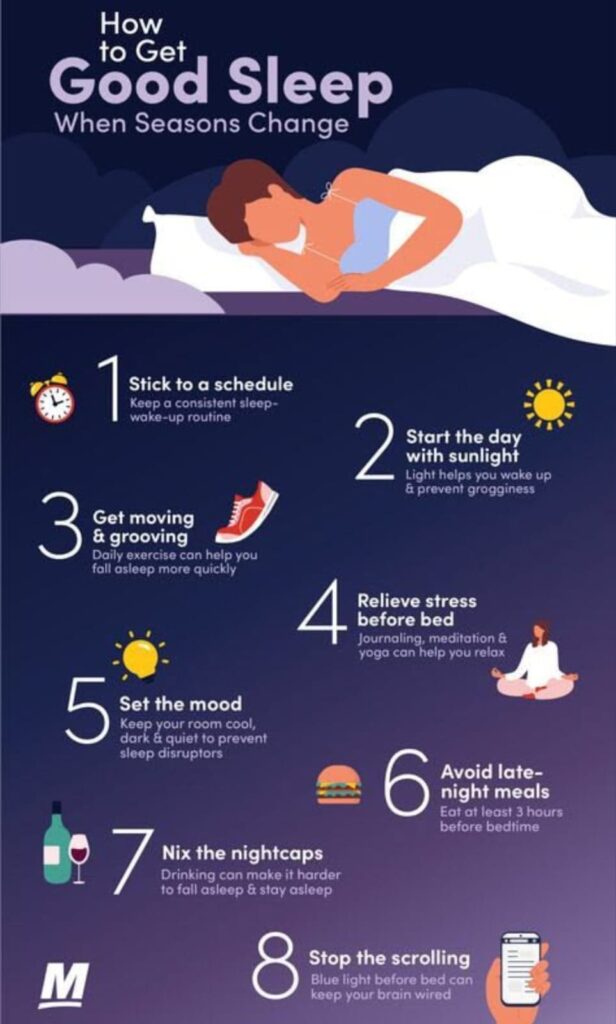
Sleep and bipolar disorder are closely connected.
Missing several nights of sleep may trigger manic symptoms in some individuals.
Maintaining consistent sleep habits is therefore an important part of long-term management.
If sleep difficulties are affecting your wellbeing, our Comprehensive Insomnia Guide explains how healthy sleep supports better mental health.
Who Is Most at Risk?
Anyone can develop bipolar disorder.
However, certain factors may increase risk.
These include:
- A close family history of bipolar disorder.
- Previous depressive episodes.
- Certain neurological or biological factors.
- Significant life stressors.
- Sleep disruption.
- Substance misuse.
Risk factors increase probability.
They do not determine whether someone will develop bipolar disorder.
How Is Bipolar Disorder Diagnosed?
There is currently no blood test, brain scan, or online quiz that can diagnose bipolar disorder.
Diagnosis requires a comprehensive clinical evaluation.
A healthcare professional may:
- Discuss your current symptoms.
- Review your medical history.
- Ask about previous mood episodes.
- Explore family history.
- Perform a physical examination.
- Rule out other medical conditions.
- Refer you to a psychiatrist or psychologist for further assessment.
The National Health Service (NHS) explains that accurate diagnosis often involves assessing mood patterns over time rather than relying on a single appointment.
Treatment Options for Bipolar Disorder
Bipolar disorder is a long-term mental health condition, but it is also highly treatable. With the right combination of medical care, therapy, and healthy lifestyle habits, many people manage their symptoms successfully and lead fulfilling lives.
Treatment is personalized. Your healthcare provider will recommend a plan based on your symptoms, medical history, and individual needs.
The earlier treatment begins, the better the chances of reducing severe mood episodes and improving long-term wellbeing.
Medication
Medication is often the foundation of bipolar disorder treatment.
Many people continue taking medication long-term to help reduce the risk of future manic or depressive episodes.
Depending on your symptoms, a psychiatrist may recommend:
- Mood stabilizers
- Certain atypical antipsychotic medications
- Other medications when clinically appropriate
Medication should always be taken exactly as prescribed. Stopping medication without medical guidance may increase the risk of relapse or worsening symptoms.
The National Institute of Mental Health (NIMH) provides evidence-based information about treatment options and emphasizes the importance of working closely with healthcare professionals.
Psychotherapy
Medication addresses biological aspects of bipolar disorder, while therapy helps people develop practical skills for managing everyday life.
Psychotherapy can help individuals:
- Understand their condition.
- Recognize early warning signs.
- Improve communication.
- Manage stress more effectively.
- Strengthen relationships.
- Develop healthy coping strategies.
Several evidence-based therapies may be recommended, including:
- Cognitive Behavioural Therapy (CBT)
- Family-focused therapy
- Psychoeducation
- Interpersonal and Social Rhythm Therapy (IPSRT)
Therapy complements medication rather than replacing it.
Healthy Lifestyle Habits
Daily routines play an important role in long-term symptom management.
Healthcare professionals often encourage people with bipolar disorder to:
Maintain a Regular Sleep Schedule
Sleep disruption can influence mood stability.
Going to bed and waking up at consistent times helps regulate the body’s internal clock.
If improving sleep is one of your goals, explore our Sleep Optimization Hub for practical strategies that support healthier sleep habits.
Eat a Balanced Diet
Nutritious meals provide the energy your brain and body need to function effectively.
Although no specific diet cures bipolar disorder, healthy eating supports overall wellbeing.
Stay Physically Active
Regular exercise benefits both physical and mental health.
Activities such as walking, swimming, cycling, or yoga may help improve mood, reduce stress, and support better sleep.
Reduce Alcohol and Recreational Drug Use
Alcohol and recreational drugs can interfere with treatment and may increase the risk of mood episodes.
If reducing substance use feels difficult, discuss available support options with a healthcare professional.
Monitor Your Mood
Many people find it helpful to record:
- Daily mood changes
- Sleep patterns
- Energy levels
- Medication use
- Stressful life events
A mood journal can help identify patterns and support discussions with your healthcare provider.
Supporting Someone With Bipolar Disorder
Watching someone you care about experience bipolar disorder can feel overwhelming.
Supportive relationships often make a meaningful difference.
If a family member or friend has bipolar disorder:
- Listen without judgment.
- Encourage professional treatment.
- Learn about the condition.
- Avoid criticizing symptoms.
- Help maintain healthy routines when appropriate.
- Encourage medication adherence without forcing decisions.
- Know emergency resources if a crisis develops.
Support does not mean becoming responsible for another person’s treatment.
Healthy boundaries remain important.
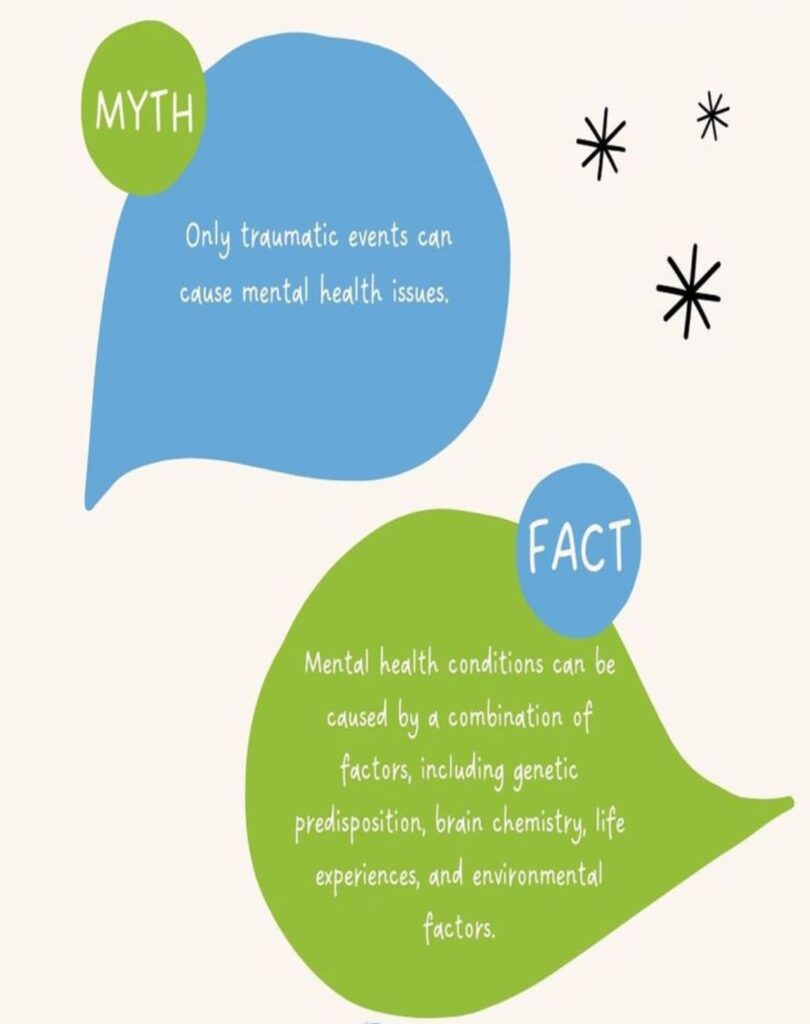
Myth vs. Fact
| Myth | Fact |
|---|---|
| Bipolar disorder is simply moodiness. | Bipolar disorder is a complex mental health condition involving distinct episodes of mood changes that significantly affect daily life. |
| Everyone with bipolar disorder behaves the same way. | Symptoms, severity, and treatment needs vary widely between individuals. |
| People with bipolar disorder cannot have successful careers. | Many individuals manage bipolar disorder effectively and lead productive personal and professional lives with appropriate treatment. |
| Medication alone solves everything. | Medication is important for many people, but therapy, healthy habits, and ongoing support are also valuable parts of treatment. |
When Should You Seek Professional Help?
Seek professional evaluation if you notice:
- Mood changes lasting several days or weeks.
- Episodes of unusually high energy followed by deep depression.
- Difficulty functioning at work, school, or home.
- Risk-taking behaviour that feels out of character.
- Persistent sadness or hopelessness.
- Thoughts of self-harm or suicide.
Early assessment can improve access to appropriate care and support.
Frequently Asked Questions
Can bipolar disorder develop later in life?
Although bipolar disorder often begins during adolescence or early adulthood, some people receive their first diagnosis later in life.
Is bipolar disorder hereditary?
Genetics appear to play a role.
Having a close family member with bipolar disorder may increase the likelihood of developing the condition, but it does not mean someone will definitely experience it.
Can bipolar disorder be cured?
There is currently no cure.
However, many people successfully manage bipolar disorder through long-term treatment, healthy routines, and ongoing support.
Can lifestyle changes replace medication?
Lifestyle habits such as regular sleep, exercise, and stress management support overall wellbeing.
However, they should not replace prescribed treatment unless advised by a qualified healthcare professional.
Can stress cause bipolar disorder?
Stress alone does not cause bipolar disorder.
However, stressful life events may trigger mood episodes in people who already have the condition or are vulnerable to it.
A Word from mindnesto-
At mindnesto we believe Living with bipolar disorder can present challenges, but it does not define a person’s future.
Understanding the condition, recognizing early symptoms, and seeking professional support are important first steps toward effective management.
While online resources can help you learn about bipolar disorder, they cannot replace a comprehensive medical evaluation. If you or someone you know experiences persistent mood changes that affect daily life, consulting a qualified healthcare professional is essential.
Treatment often combines medication, psychotherapy, healthy lifestyle habits, and ongoing support. With the right care plan, many people build stable routines, maintain meaningful relationships, and achieve personal and professional goals.
At Mindnesto, our mission is to provide evidence-informed, compassionate mental health content that empowers readers to make informed decisions while encouraging appropriate professional care when needed.