





Someone says, “I’m fine,” but their voice sounds tense. A friend agrees to help, yet their actions suggest otherwise. A partner says everything is okay, but avoids discussing an important issue.
These moments can leave you wondering: Should you trust the words or the body language?
The answer is not always straightforward.
When body language and words don’t match, neither one automatically tells the whole story. A mismatch may reflect stress, discomfort, mixed feelings, distraction, communication differences, or uncertainty. It does not automatically mean someone is lying.
The most helpful approach is to notice the inconsistency, consider possible explanations, and communicate directly.
In this guide, you’ll learn how to interpret mixed signals without jumping to conclusions, how to ask better questions, and when consistent actions matter more than a single conversation.
What Should You Trust When Body Language and Words Don’t Match?
When body language and words seem inconsistent, consider both, but do not treat either as definitive proof of someone’s feelings or intentions.
Look at the situation, listen to the person’s explanation, and consider their behavior over time. If the issue matters, ask a calm, specific question and check relevant facts.
A mismatch is a reason to explore what is happening, not a reason to assume dishonesty.
What Does It Mean When Body Language and Words Don’t Match?
Communication includes more than spoken words. People also use facial expressions, gestures, posture, eye contact, tone of voice, and timing.
Sometimes these signals seem to tell different stories.
For example, someone may say they are comfortable while appearing tense. Another person may agree to a request but seem hesitant. A colleague may sound enthusiastic while giving very brief answers.
These situations can feel confusing because we naturally try to understand other people’s thoughts and emotions.
However, body language is not a universal code. The same behavior can have different meanings in different situations.
A tense expression might reflect worry, concentration, fatigue, or discomfort. A quiet response might mean someone needs time to think rather than that they disagree.
The important distinction is between noticing a behavior and knowing what it means.
You can observe that someone seems tense. You cannot automatically know why they feel that way.
6 Reasons Someone’s Words and Body Language May Differ
A mismatch can have several explanations. Consider these possibilities before deciding what a person means.
1. They May Have Mixed Feelings
People can experience more than one emotion at the same time.
Someone may want to attend a family gathering but feel anxious about a difficult conversation. A person may care about a relationship while feeling frustrated about a recent disagreement.
Their words might express one genuine feeling, while their behavior reflects another.
For example, a friend might say, “I’m happy for you,” while looking subdued. They could genuinely feel happy for you and still be dealing with disappointment in their own life.
Mixed emotions do not automatically indicate dishonesty.
What helps: Give the person room to explain how they feel. Avoid demanding that their face, voice, and words all express the same emotion.
2. They May Feel Nervous or Under Pressure
Stress can affect communication.
A person who feels under pressure may speak less clearly, pause frequently, avoid eye contact, or appear tense. They may struggle to express what they mean, even when they are trying to be honest.
This can happen during interviews, disagreements, difficult family discussions, or conversations about personal boundaries.
The pressure may come from the topic itself or from worrying about how another person will respond.
What helps: Reduce unnecessary pressure. Ask one clear question at a time, allow pauses, and give the person an opportunity to answer without interruption.
For more information, explore our article on nervous eye contact.
3. They May Be Choosing Their Words Carefully
Not everyone expresses emotions immediately.
Someone might need time to understand a question, decide what they want to share, or find words that feel accurate. They may also prefer to discuss sensitive subjects privately.
This can create a gap between what they say and how they appear.
For example, a person might answer, “I need to think about it,” while looking uncomfortable. The discomfort may come from the difficulty of making a decision rather than from a hidden intention.
What helps: Allow thinking time. You can ask whether they would prefer to continue the conversation later.
4. Their Usual Communication Style May Be Different From Yours
People express attention, comfort, and emotion in different ways.
Some people use frequent eye contact and expressive gestures. Others communicate with fewer facial movements or less direct eye contact.
Neurodivergent people may also have communication styles that differ from common social expectations. Cultural background, sensory preferences, and personal habits can influence how people communicate.
A person who appears reserved may still be listening carefully. Someone who smiles during a serious conversation may be trying to manage discomfort rather than dismissing the topic.
What helps: Learn what is normal for the individual instead of judging them against one communication style.
For related guidance, read why someone avoids eye contact.
5. Their Words May Not Fully Reflect Their Needs
Sometimes people say what feels socially acceptable instead of expressing what they actually need.
A person might say, “It’s no problem,” because they do not want to disappoint someone. They may agree to a request because saying no feels uncomfortable.
Their hesitation could suggest that they need more time or feel unsure about the request. However, it cannot tell you exactly what they want.
This situation is especially common when people find boundaries difficult to communicate.
What helps: Make it easier for the person to answer honestly. Try saying, “It’s okay if you can’t do this. I would rather know what works for you.”
That response gives them room to express a preference without feeling pressured.
6. You May Be Misinterpreting Their Behavior
Our own emotions influence how we interpret other people.
If you feel anxious about a relationship, you might notice every pause or change in tone. If you expect rejection, a neutral expression may seem unfriendly.
Previous experiences can also influence what we notice and how we interpret it.
This does not mean your feelings are unimportant. It means your interpretation may need checking.
What helps: Separate what you observed from what you assumed.
For example:
- Observation: “They gave a short answer.”
- Interpretation: “They are angry with me.”
- Other possibilities: They may be tired, distracted, busy, or unsure how to respond.
This simple distinction can prevent unnecessary misunderstandings.
Should You Trust Words or Actions More?
Neither words nor body language should be treated as the complete truth in every situation. Their importance depends on the question you are trying to answer.
Words can explain a person’s thoughts, intentions, preferences, and boundaries. Actions can show whether commitments are being followed through.
For example, if someone says they value your time but repeatedly cancels plans without communicating, the pattern of behavior matters. You do not need to decide what their facial expression means to recognize that the arrangement is not working for you.
Consider three factors.
1. Listen to What the Person Says
Give their actual words a fair hearing.
Ask what they mean when something is unclear. Do not replace their explanation with a guess based on a gesture.
This is especially important when discussing consent, boundaries, relationships, and personal preferences.
A person’s nonverbal behavior should not be used to override their clearly expressed boundaries or consent.
2. Observe What Happens Over Time
One conversation may not tell you much. A repeated pattern may provide more useful information about reliability, communication, or whether an agreement is working.
For instance, someone may promise to complete a task but miss a deadline because of an unexpected problem. A single missed deadline does not explain their character.
However, repeated missed deadlines without communication may show that the current arrangement needs to change.
Focus on observable behavior and its impact rather than guessing at hidden motives.
3. Check Facts When the Decision Matters
If a disagreement involves money, work, responsibilities, or safety, look for relevant evidence.
Depending on the situation, this may include written agreements, messages, dates, receipts, or other reliable records.
Body language cannot replace factual verification.
Research reviews on deception also caution against treating nonverbal behavior as a reliable lie-detection method. Researchers have found that commonly assumed cues are often weak or inconsistent.
Read the review Reading Lies: Nonverbal Communication and Deception.
How to Respond When Someone Sends Mixed Signals
You do not need to become an expert in reading gestures to handle mixed signals. Clear communication is often more useful than trying to decode someone.
Use these five steps.
Step 1: Describe What You Noticed
Start with a specific observation rather than an accusation.
Instead of saying, “You’re pretending everything is fine,” try:
“I heard you say everything is okay, but I’m not sure whether you want to talk about what happened.”
The second statement explains your uncertainty without claiming to know the other person’s feelings.
Step 2: Ask an Open Question
Give the person room to explain.
Useful questions include:
- “How are you feeling about this?”
- “Would you like to talk about it?”
- “Is there something you would like me to understand?”
- “Would you prefer more time to think?”
- “Did I understand your answer correctly?”
Avoid asking several questions at once. A simple question is easier to answer and less likely to make the conversation feel like an interrogation.
Step 3: Listen Without Forcing an Immediate Answer
Some conversations need time.
If the subject is sensitive, the other person may not be ready to explain everything. You can respect that while still communicating your own needs.
For example, you might say, “We don’t have to discuss it right now. Could we choose a time to come back to it?”
This supports communication without demanding immediate emotional disclosure.
Step 4: Check Your Interpretation
Before concluding that someone is angry, uninterested, or dishonest, consider whether another explanation fits.
Ask yourself:
- What did I actually observe?
- What am I assuming?
- Could stress or distraction explain the behavior?
- Have I asked the person what they mean?
- Is there reliable information that supports my concern?
These questions help you distinguish observation from interpretation.
Step 5: Set a Boundary if the Pattern Continues
Sometimes a conversation does not resolve the issue. The person may be unwilling to discuss it, or their actions may continue to affect you.
You can set a boundary without proving what they secretly think.
For example:
“I respect that you may not want to discuss this now. However, I need us to agree on how we will handle the shared responsibility.”
This focuses on what you need and what must happen next.
Healthy boundaries are about your choices and limits, not controlling another person’s feelings.
What If Someone Says “I’m Fine” but Clearly Seems Upset?
This is one of the most common examples of words and behavior appearing inconsistent.
You might notice that a person is quieter than usual, has a tense expression, or gives short answers. You may feel concerned and want to help.
Start by remembering that you cannot know exactly what they are feeling from appearance alone.
They might be upset. They might also be tired, distracted, overwhelmed, or simply not ready to talk.
You can offer support without insisting that your interpretation is correct.
Try saying:
“I hear you. If something is bothering you and you’d like to talk, I’m here.”
If they say they do not want to talk, respect that answer unless there is a separate, immediate safety concern.
You can check in again later if appropriate. However, repeated pressure can make someone less comfortable sharing.
The goal is to make communication feel safe, not to force a confession about an emotion.
What If a Partner’s Words and Actions Don’t Match?
In relationships, mixed signals can be especially difficult because trust and emotional security matter.
A partner might say they want to improve communication but avoid difficult conversations. They may express affection yet struggle to make time for the relationship.
These situations deserve attention, but they do not automatically reveal a person’s intentions.
Consider the difference between a temporary difficulty and a repeated pattern.
When it may be a communication issue
Your partner may be dealing with stress, struggling to express feelings, or unsure how to approach a sensitive subject.
A calm conversation about needs and expectations may help.
When it may be a boundary or compatibility issue
You may have discussed a concern several times, but the same problem continues. Your needs may not be compatible, or the current arrangement may not be sustainable.
You can decide what you need without trying to decode every look or gesture.
When trust has been damaged
If there are repeated contradictions, broken agreements, or concerns about your safety, focus on specific events and practical next steps.
You may benefit from support from a trusted person or qualified professional, depending on the circumstances.
For more on this subject, explore eye contact in relationships.
Can Body Language Reveal Someone’s True Feelings?
Body language may provide clues about a person’s comfort, attention, or emotional state. However, it cannot give you direct access to their thoughts.
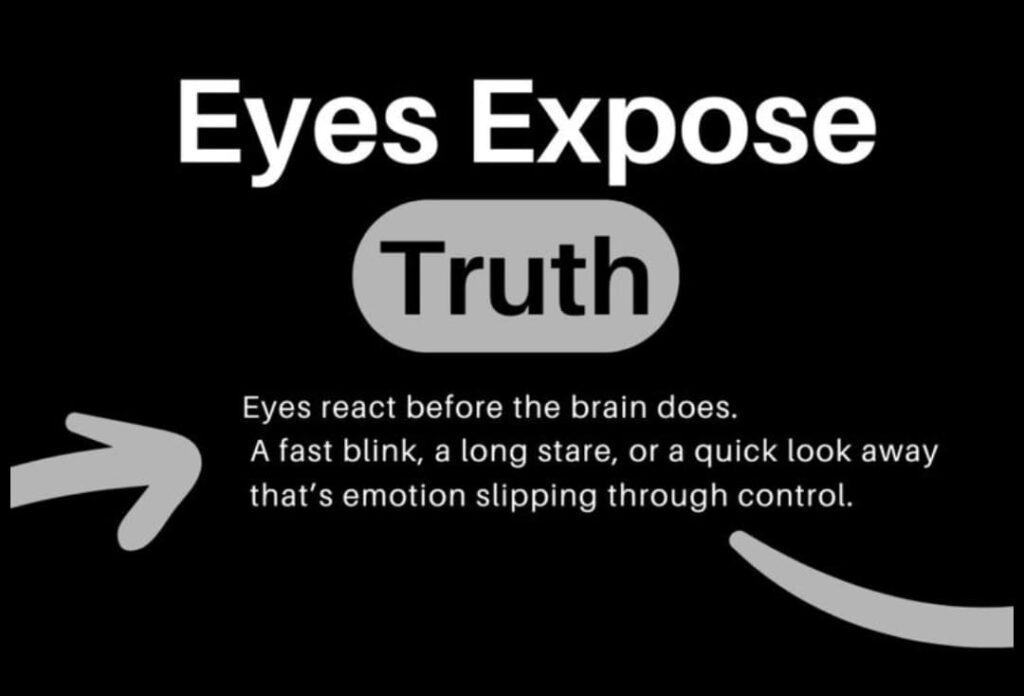
A person who looks away may be uncomfortable, concentrating, or communicating in their usual way. A smile may express warmth, politeness, nervousness, or several emotions at once.
Even when you notice a meaningful change in behavior, the reason remains uncertain until you have more context.
A better approach is to combine observation with listening and respectful questions.
For a wider introduction, see how to read body language.
Common Mistakes to Avoid When Interpreting Mixed Signals
Misunderstandings often happen when people treat interpretations as facts.
Watch out for these common mistakes.
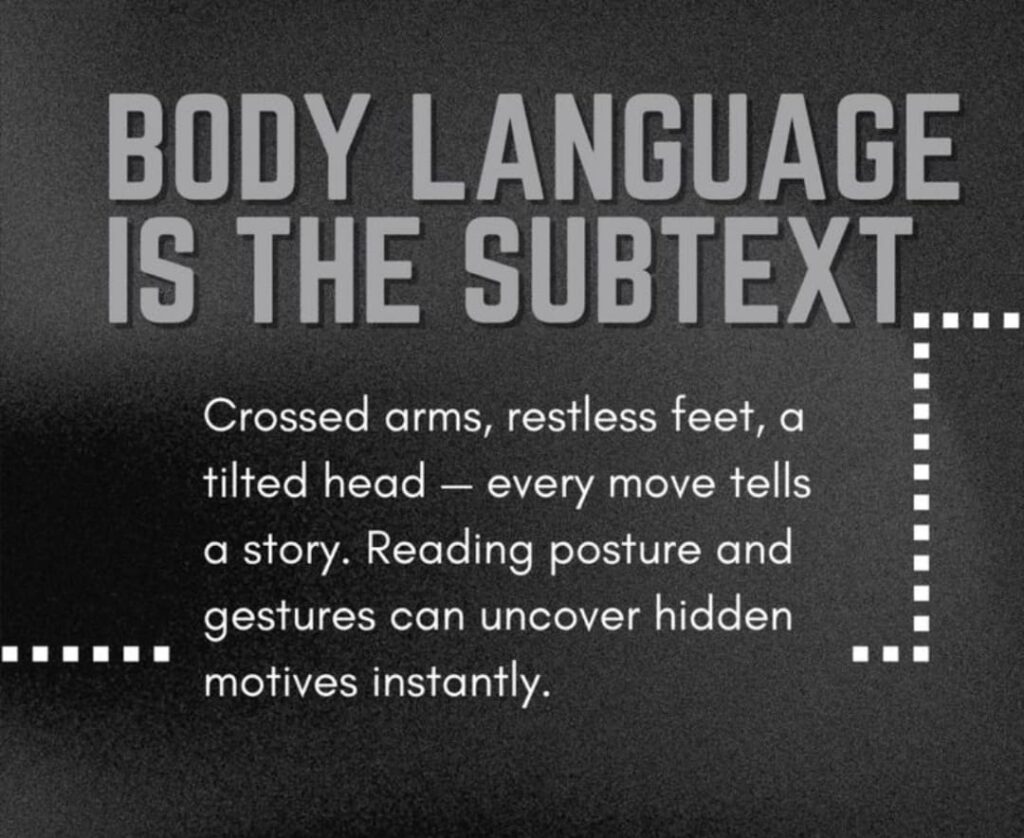
Assuming one gesture has a universal meaning. A crossed arm or a pause does not always indicate defensiveness or dishonesty.
Ignoring the person’s explanation. Ask what they mean instead of deciding that you know better because of their expression.
Treating nervousness as guilt. Anxiety and discomfort can occur for many reasons.
Expecting everyone to communicate the same way. Culture, personality, disability, and individual preferences influence communication.
Looking only for evidence that confirms your suspicion. Consider alternative explanations before reaching a conclusion.
Ignoring repeated actions because the words sound reassuring. When a commitment matters, pay attention to whether the arrangement works in practice.
The goal is not to distrust everyone. It is to interpret behavior fairly while protecting your own needs.
Frequently Asked Questions
What does it mean when body language contradicts words?
It means a person’s nonverbal behavior appears inconsistent with what they say. Possible explanations include mixed emotions, stress, discomfort, distraction, cultural differences, or a misunderstanding. The mismatch alone does not reveal the cause.
Is body language more honest than words?
Not necessarily. Body language can provide context, but it can also be misunderstood. Words can explain intentions and boundaries. Consider both alongside the situation and observable behavior over time.
Should I believe someone who says they are fine but looks upset?
You can accept their answer without assuming it tells you everything. Offer support, ask whether they would like to talk, and respect their response. Do not assume you know their feelings from their expression.
Can mismatched body language prove someone is lying?
No. Research suggests that nonverbal cues to deception are generally weak and unreliable. A mismatch may justify asking for clarification, but it is not proof of dishonesty.
What if someone says they care but their actions show otherwise?
Focus on the specific behaviors and how they affect you. Explain what you need, discuss expectations, and observe whether the situation changes. You do not need to determine someone’s hidden intentions before deciding what is healthy for you.
How can I stop overthinking mixed signals?
Separate observations from assumptions, consider alternative explanations, and ask direct questions when appropriate. If uncertainty repeatedly affects your wellbeing, consider speaking with a qualified mental health professional for personalized support.
Does avoiding eye contact mean someone is uncomfortable?
It can, but it may also reflect concentration, personal preference, cultural expectations, or other factors. Eye contact has no single meaning that applies to everyone.
A word at mindnesto-
Final Thoughts: Look for Understanding, Not Hidden Codes
When body language and words do not match, it is natural to search for an explanation.
However, a facial expression cannot tell you everything about someone’s thoughts. A hesitant answer does not automatically mean dishonesty. And a reassuring statement does not guarantee that an agreement will be followed.
Notice the mismatch. Ask with curiosity. Check important facts. Pay attention to patterns.
This approach helps you understand people without assuming you can read their minds.
Clear communication is not about decoding every gesture. It is about making room for honest answers, respecting differences, and responding thoughtfully to what happens over time.
References and Further Reading
- Vrij, A., Hartwig, M., & Granhag, P. A. (2019). Reading Lies: Nonverbal Communication and Deception. Annual Review of Psychology.
- DePaulo, B. M., et al. (2003). Cues to Deception. Psychological Bulletin.
- Google Search Central. Creating Helpful, Reliable, People-First Content.
Editorial disclaimer: This article provides general educational information about communication and nonverbal behavior. It is not a diagnostic tool and cannot determine another person’s thoughts, feelings, or honesty.