



By MindNesto Editorial Team · Updated June 2026 · 10 min read
Reviewed for medical accuracy — sources cited from WHO, Mayo Clinic, NHS, APA and peer-reviewed research
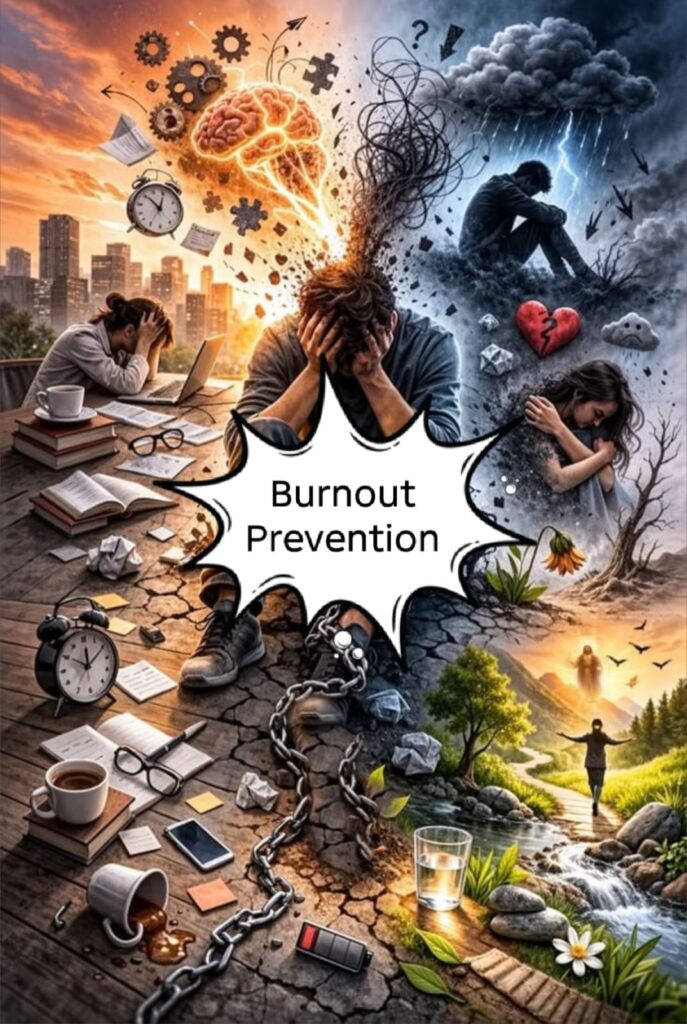
You wake up completely exhausted — even after a full eight hours of sleep. The work you once loved now feels utterly hollow. Tasks that used to take minutes suddenly feel impossible. Worse still, you find yourself snapping at the people you care about most, and then feeling guilty about it afterwards.
If any of that sounds familiar, please hear this clearly: you are not lazy, and you are not weak. What you may be experiencing is burnout — and you are far from alone in feeling this way.
In fact, mental health challenges including burnout and anxiety are rising sharply in 2026. The American Psychiatric Association reports that more than one third of Americans made a mental health related resolution this year — an increase of 5% from the previous year. Furthermore, burnout is now so widespread that it has become one of the most searched mental health topics across Tier 1 countries.
Here is the most important thing to understand: burnout is both preventable and recoverable. This guide walks you through 12 science-backed strategies that will help you stop burnout before it stops you — all drawn from research published by the World Health Organization, the Mayo Clinic, the NHS, and leading occupational psychology journals.
We have also connected this guide to our related posts on science-backed ways to calm anxiety without medication and how to stop a panic attack in 5 minutes — because burnout, anxiety and panic frequently overlap in ways that are worth understanding together.
⚠️ Medical Disclaimer: This article is for informational and educational purposes only. It is not a substitute for professional medical advice, diagnosis or treatment. If you are experiencing severe burnout, depression or a mental health crisis, please consult a qualified healthcare provider immediately.
What Exactly Is Burnout — And Why Does It Matter?
Before diving into prevention strategies, it is important to understand what burnout actually is — because many people confuse it with ordinary tiredness or stress. However, burnout is something fundamentally different, and understanding that distinction can change how you respond to it.
The World Health Organization officially recognised burnout in the International Classification of Diseases (ICD-11) — the global standard for medical diagnosis. According to the WHO ICD-11, burnout is defined as:
“A syndrome resulting from chronic workplace stress that has not been successfully managed, characterised by feelings of energy depletion or exhaustion, increased mental distance from one’s job, and reduced professional efficacy.”
This definition aligns precisely with the pioneering research of Dr. Christina Maslach of the University of California Berkeley — the world’s leading authority on burnout and creator of the Maslach Burnout Inventory (MBI), the most widely validated burnout assessment tool in clinical research.
The Three Core Dimensions of Burnout
According to Dr. Maslach, burnout operates across three specific dimensions. Understanding all three is essential, because effective prevention must address each one:
- Emotional exhaustion — a persistent feeling of being completely drained, both emotionally and physically, with no reservoir left to draw from
- Depersonalisation — a sense of emotional detachment from your work, your colleagues, and your responsibilities — going through the motions without any genuine engagement
- Reduced personal accomplishment — a growing feeling of ineffectiveness, failure, and loss of meaning in what you do
Notably, you do not need to experience all three simultaneously to be in burnout. However, when all three dimensions are present together, the impact on mental and physical health becomes severe.
Burnout vs Stress — A Critical Distinction
Many people mistakenly treat burnout and stress as the same thing. In reality, they follow completely different patterns.
Stress is characterised by over-engagement — too much pressure produces too much emotional intensity. Burnout, on the other hand, is characterised by disengagement — emotions become blunted, motivation disappears entirely, and even extended rest stops feeling restorative.
A 2021 study published in the Journal of Occupational Health Psychology confirmed that burnout and stress operate through different neurobiological pathways. Consequently, the strategies that help with acute stress do not always resolve chronic burnout. This is precisely why burnout requires its own specific set of interventions.
The Neuroscience of Burnout — What Is Actually Happening Inside Your Body
Understanding the biology of burnout is genuinely important — because it removes the shame and self-blame that so commonly accompanies it. Burnout is not a character flaw. It is a physiological condition with measurable biological markers.
HPA Axis Dysregulation
At the heart of burnout’s biology lies the hypothalamic-pituitary-adrenal (HPA) axis — your body’s central stress response system. Under conditions of chronic stress, this system becomes progressively dysregulated.
In early-stage burnout, the HPA axis overproduces cortisol — your primary stress hormone. However, as burnout deepens, the system exhausts itself and cortisol production drops significantly below normal levels. Research published in Frontiers in Psychology confirmed that individuals with clinical burnout show measurable HPA axis dysregulation — providing clear biological evidence that burnout is a physiological condition, not merely a motivational one.
Amygdala Hyperreactivity and Prefrontal Cortex Suppression
Additionally, burnout produces two significant changes in brain function that directly explain its symptoms.
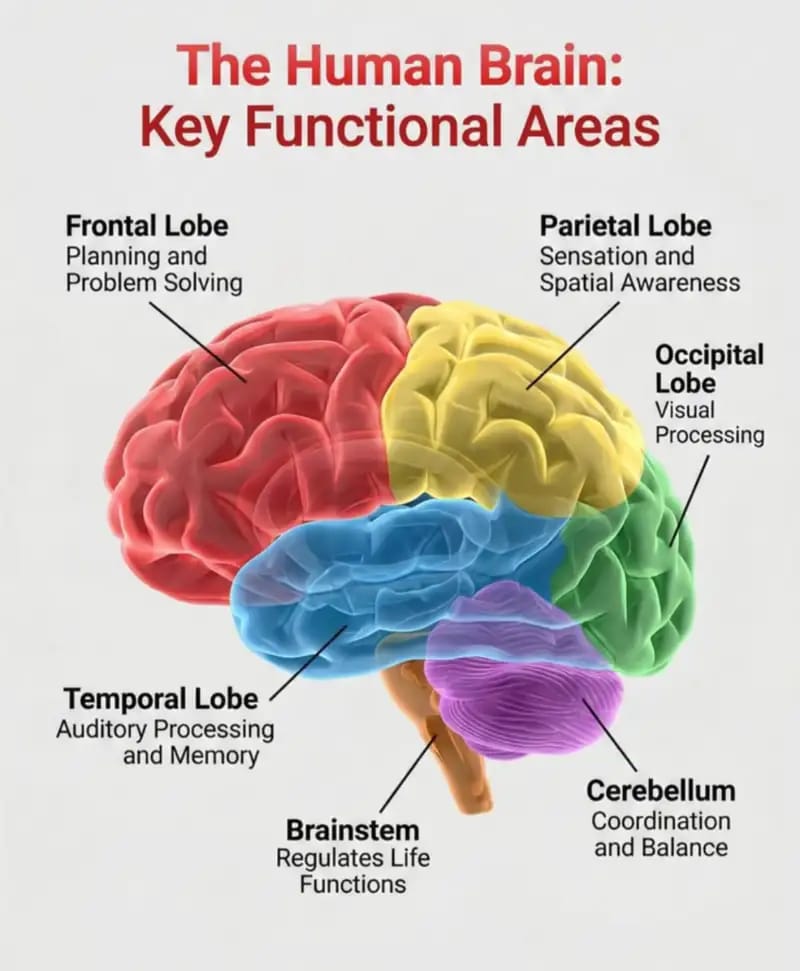
First, the amygdala — the brain’s threat-detection centre — becomes hyperreactive. This means that even minor everyday stressors begin to register as serious threats, which explains why burnt-out individuals find small problems feel disproportionately catastrophic.
Second, and equally important, chronic stress suppresses activity in the prefrontal cortex — the brain region responsible for rational decision-making, emotional regulation, creativity and planning. This explains the brain fog, difficulty concentrating, and inability to make decisions that characterise burnout — and that feel so alarming to people who have never experienced them before.
12 Science-Backed Burnout Prevention Strategies
1. Recognise Your Personal Early Warning Signs
First and most importantly, prevention is always more effective than recovery. The single most powerful thing you can do is learn to recognise your personal early warning signs — the signals that appear weeks or even months before full burnout develops.
According to the Mayo Clinic, common early warning signs include:
- Persistent dread on Sunday evenings before the working week
- Growing cynicism about your work or colleagues
- Difficulty concentrating on tasks you normally find straightforward
- Gradual withdrawal from social connection at work and at home
- Increasing reliance on caffeine, alcohol or comfort eating
- Waking consistently unrefreshed despite adequate sleep
- Heightened emotional reactivity and irritability
To use this knowledge effectively, create a personal early warning checklist and review it honestly every week. Catching these signals at stage one dramatically reduces the time and effort required to recover.
2. Set Non-Negotiable Work Boundaries
Moreover, one of the most consistently evidence-based burnout prevention strategies is psychological detachment from work during non-working hours. This concept was researched extensively by Professor Sabine Sonnentag of the University of Mannheim, whose work has profoundly shaped occupational health psychology.
Research published in the Journal of Applied Psychology found that workers who psychologically detached from work during evenings and weekends showed significantly lower burnout scores, higher energy levels, and greater job satisfaction compared to those who remained mentally connected to work outside their contracted hours.
Practical boundaries to implement today:
Never apologise for not responding to work communications outside your working hours
Establish a firm daily stop time for work — and honour it without exception
Turn off all work email and messaging notifications after hours
Create a personalised shutdown ritual that signals to your brain that the working day is complete
Communicate your availability boundaries clearly to managers and colleagues
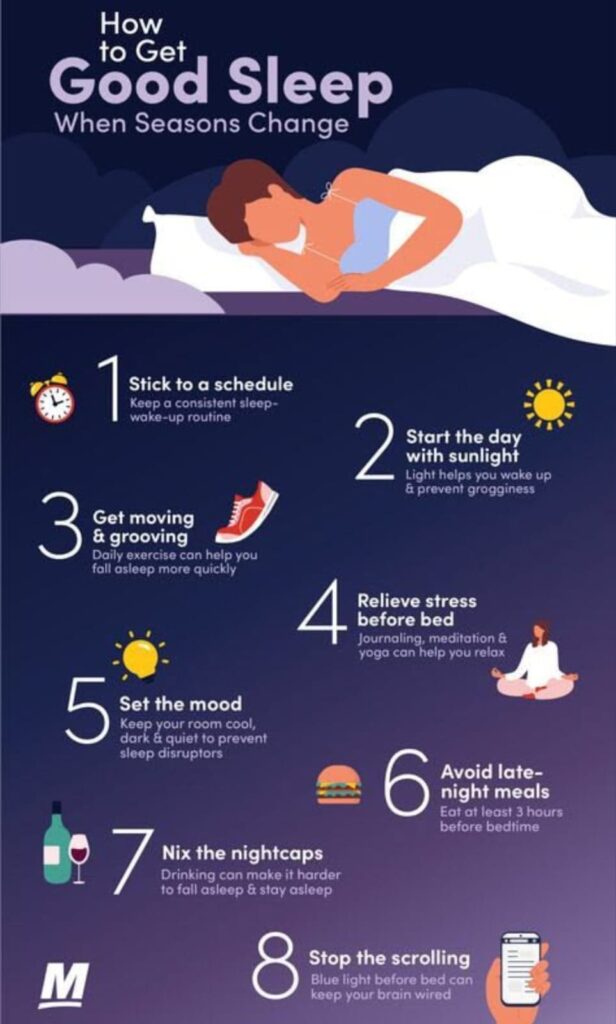
3. Treat Sleep as Your Primary Recovery Tool
Furthermore, sleep is not a luxury for people managing high levels of stress — it is the single most powerful biological recovery mechanism available to you. Without adequate sleep, no other prevention strategy will work as effectively as it should.
Dr. Matthew Walker of UC Berkeley, author of Why We Sleep, has demonstrated that chronic sleep restriction of even one to two hours per night produces cumulative impairment that closely mirrors burnout symptoms — including impaired decision-making, emotional dysregulation, and reduced creativity.
The NHS and CDC both recommend 7–9 hours of sleep per night for adults. However, for people in high-stress roles or those in early-stage burnout, 9 hours should be the consistent target.
Evidence-based sleep optimisation:
Consider magnesium glycinate (200–400mg before bed) — research in Nutrients supports its role in improving sleep quality and reducing cortisol
Maintain a consistent bedtime and wake time — even at weekends — to anchor your circadian rhythm
Keep your bedroom between 16–19°C (60–67°F) — the scientifically optimal temperature range for sleep
Eliminate all screens 60 minutes before bedtime to allow natural melatonin production
Avoid alcohol within 3 hours of sleep — it fragments REM sleep and worsens emotional regulation the following day
4. Use Exercise to Metabolise Chronic Stress
In addition to sleep, regular physical exercise is one of the most effective tools available for burnout prevention. The reason is straightforward: chronic stress floods your body with cortisol and adrenaline that have nowhere to go in a sedentary lifestyle. Exercise provides the physical outlet these hormones were designed for.
A meta-analysis published in Psychological Bulletin — covering 49 separate clinical studies — found that regular aerobic exercise significantly reduced emotional exhaustion across diverse occupational groups. Notably, even moderate intensity exercise produced meaningful protective effects.
For burnout prevention specifically:
Walking in natural environments — what researchers at the University of Exeter call green exercise — produces the strongest cortisol-reducing effects of any form of movement
Aim for 20–30 minutes of moderate aerobic movement at least 4 times per week
Choose activities you genuinely enjoy — exercise that feels like punishment adds stress rather than relieving it
5. Practice Mindfulness Based Stress Reduction Daily
Additionally, Mindfulness Based Stress Reduction (MBSR) — the structured programme developed by Dr. Jon Kabat-Zinn at the University of Massachusetts Medical School — has accumulated one of the strongest evidence bases of any behavioural intervention for burnout prevention.
A systematic review published in Work and Stress Journal found that MBSR programmes produced significant reductions in both emotional exhaustion and depersonalisation — the two most damaging burnout dimensions — with effects maintained at 6-month follow-up.
Importantly, you do not need 45-minute daily meditation sessions to benefit. Research clearly shows that 10 minutes of daily mindfulness practice produces measurable changes in amygdala reactivity within just 8 weeks.
Free MBSR resources:
NHS Mindfulness — NHS endorsed mindfulness tools
Headspace — guided mindfulness for beginners
Insight Timer — free library of guided meditations
6. Actively Reduce Your Cognitive Load
Beyond physical recovery, it is equally important to address cognitive load — the total volume of mental processing demands placed on your brain each day. In 2026, between constant notifications, digital communication overload and always-on work culture, most professionals are operating at or beyond maximum cognitive capacity continuously.
Practical cognitive load reduction strategies:
Check email twice daily — once in the morning and once in the afternoon — rather than continuously throughout the day
Batch similar decisions together — making multiple decisions in one focused session is far less draining than scattered decision-making throughout the day
Limit your daily priorities to three items — everything beyond three becomes background noise
Permanently disable non-essential notifications — research from the University of California Irvine found that it takes an average of 23 minutes to fully regain deep focus after a single notification interruption
7. Build Daily Recovery Activities Into Your Routine
Similarly, Dr. Christina Maslach’s research consistently demonstrates that burnout is not caused solely by excessive workload — it is caused by insufficient recovery between demands. Small, consistent daily recovery activities are therefore more protective against burnout than occasional extended holidays.
The most restorative recovery activities according to occupational psychology research include:
Absorbing hobbies that produce flow — activities where you lose track of time are particularly restorative because they fully disengage the stress-processing circuits
Time in nature — even 20 minutes outdoors measurably reduces cortisol levels
Creative activities — drawing, cooking, music, gardening — engage entirely different neural circuits from analytical work, providing genuine cognitive rest
Meaningful social connection — genuine conversation with people you enjoy activates oxytocin release and reduces cortisol
8. Actively Seek Social Support — Never Isolate
Equally important is maintaining social connection during high-stress periods — even when isolation feels more appealing. Withdrawal is simultaneously a symptom and a driver of burnout. As people burn out, they withdraw socially, which in turn removes the support system that would most help them recover.
Research published in the Journal of Occupational Health Psychology found that strong social support — both at work and outside it — was one of the most significant protective factors against burnout across every occupational group studied.
Support resources by country:
Australia: Beyond Blue — free mental health support and referrals
UK: Mind UK — peer support groups and mental health resources
USA: NAMI — community support and mental health referrals
Canada: CAMH — mental health resources and crisis support
9. Restore Meaning and Values Alignment
Interestingly, Dr. Christina Maslach’s research identifies loss of meaning as the most psychologically damaging dimension of burnout — more harmful, in the long run, than even physical exhaustion. When work or daily life begins to feel fundamentally meaningless, motivation collapses in a way that rest alone cannot repair.
Practical strategies for restoring meaning:
Practice purpose journaling — 10 minutes each morning writing about what matters to you and why gradually rebuilds motivational foundations from the ground up
Conduct a personal values audit — write down your five core values, then honestly assess which daily activities align with them and which actively contradict them
Explore job crafting — actively restructuring your role to include more tasks aligned with your strengths — a technique supported by research from Professor Amy Wrzesniewski of Yale School of Management
10. Reduce Alcohol and Caffeine — The Hidden Burnout Accelerators
Despite being the most common burnout coping mechanisms, both alcohol and caffeine actively worsen the condition they are being used to manage.
Caffeine provides temporary energy by blocking adenosine receptors — but simultaneously raises cortisol levels, disrupts sleep architecture, and increases baseline anxiety. In advanced burnout, caffeine dependency creates a destructive cycle: exhaustion drives increased caffeine intake, caffeine disrupts sleep, and disrupted sleep deepens the exhaustion.
Alcohol, meanwhile, is often used to decompress after stressful days. However, while it temporarily reduces anxiety, it suppresses REM sleep, raises cortisol the following morning, and significantly depletes serotonin and dopamine — worsening emotional regulation capacity when it matters most. The NHS recommends a maximum of 14 units per week for adults.
11. Consider Cognitive Behavioural Therapy
When lifestyle changes alone are insufficient, professional support becomes essential. Specifically, Cognitive Behavioural Therapy (CBT) addresses the thought patterns that both drive and maintain burnout — including perfectionism, catastrophising, people-pleasing, and the inability to delegate or ask for help.
Research published in Frontiers in Psychology found that CBT-based interventions produced significant reductions in all three dimensions of burnout, with effects maintained at one-year follow-up.
Access CBT in your country:
Australia: Beyond Blue
UK: Self-refer through NHS Talking Therapies — free CBT
USA: Find a specialist through ADAA
Canada: CAMH Resources
12. Address Workplace Systemic Factors
Finally — and crucially — it is important to acknowledge that burnout is not always an individual problem requiring an individual solution. Dr. Christina Maslach’s research consistently identifies organisational factors as the most powerful burnout drivers: excessive workload, lack of autonomy, insufficient recognition, community breakdown, perceived unfairness, and values misalignment.
When these systemic factors are present, individual coping strategies will always have a ceiling. In those situations, the most appropriate response includes:
- Formally documenting workload concerns and requesting a structured review
- Consulting your HR department or employee assistance programme
- Seeking support from a union representative where applicable
- Honestly evaluating whether the role or organisation is genuinely sustainable for your long-term wellbeing
Above all else — remember that your mental health is worth more than any job.
Burnout vs Depression — An Important Comparison
Because burnout and depression share several overlapping symptoms, it is important to understand how they differ. Missing this distinction can lead to the wrong intervention — or worse, no intervention at all.
| Burnout | Depression | |
|---|---|---|
| Primary cause | Chronic unmanaged stress | Complex biological and psychological |
| Mood in other life areas | Often normal outside work | Pervasive low mood across all areas |
| Response to rest | Some improvement with rest | Rest rarely improves symptoms |
| Enjoyment of activities | Usually still able to enjoy leisure | Anhedonia — inability to enjoy anything |
| Primary treatment | Lifestyle change plus therapy | Medication plus therapy typically required |
| Urgency level | Important — address promptly | Urgent — seek professional help immediately |
It is also worth noting that burnout and depression frequently co-occur and can trigger each other. Therefore, if you are genuinely unsure which you are experiencing, please speak with your GP or a licensed mental health professional without delay. Both conditions are entirely treatable — but neither should be ignored.
For further reading on related anxiety patterns, our guide on social anxiety vs shyness explores how anxiety develops and interacts with other mental health conditions.
Key Takeaways — Featured Snippet Optimised
12 science-backed burnout prevention strategies:
- Recognise early warning signs — catch burnout at stage one before it becomes clinical
- Set non-negotiable work boundaries — psychological detachment during non-work hours is essential
- Prioritise sleep — 7–9 hours minimum, targeting 9 hours in high-stress periods
- Exercise regularly — metabolises cortisol and adrenaline, reduces emotional exhaustion
- Practice MBSR mindfulness — 10 minutes daily reduces amygdala reactivity within 8 weeks
- Reduce cognitive load — batch decisions, eliminate notifications, limit daily priorities
- Build daily recovery activities — small consistent restoration outperforms occasional holidays
- Seek social support actively — isolation accelerates burnout while connection protects against it
- Restore meaning and values alignment — loss of meaning is the most damaging burnout dimension
- Reduce alcohol and caffeine — both accelerate burnout while appearing to relieve it
- Consider CBT therapy — addresses perfectionism and people-pleasing patterns driving burnout
- Address workplace systemic factors — individual strategies have a ceiling in toxic organisations
Remember: Burnout is not a personal failure. It is a recognised physiological and psychological response to chronic unmanaged stress. It is classified by the WHO. It is preventable. And with the right strategies consistently applied — it is fully recoverable.
A Word From Mindnesto –
At MindNesto, we created this blog because burnout remains one of the most misunderstood mental health challenges of our time. Too many people push through the warning signs for months — sometimes years — before the collapse comes. Too many people blame themselves entirely for something that is fundamentally a mismatch between human biological limits and the relentless demands of modern life.
You are not a machine. You were never designed to operate at full capacity indefinitely without genuine rest, meaningful recovery, and a sense of purpose. Protecting your mental health is not a weakness or a luxury — it is the foundation on which everything else in your life is built.
We are here every single step of the way. 💙
→ Read next: 10 Science-Backed Ways to Calm Anxiety Without Medication
→ Also read: Social Anxiety vs Shyness — What Is the Real Difference?
Frequently Asked Questions
What are the first signs of burnout?
According to the Mayo Clinic, the earliest signs include persistent exhaustion despite adequate sleep, growing cynicism about your work, difficulty concentrating on familiar tasks, emotional withdrawal from colleagues and loved ones, and a deepening sense that your efforts are meaningless.
How long does burnout recovery take?
Recovery time varies considerably depending on severity and duration. Mild burnout identified early may resolve within several weeks with consistent lifestyle changes.
Can you recover from burnout without leaving your job?
In many cases, yes — particularly when burnout is caught early and when workplace conditions can be reasonably modified. Effective strategies include negotiating adjusted workload, improving work-life boundaries, seeking CBT therapy, and implementing the lifestyle changes outlined in this guide.
Is burnout a mental illness?
The World Health Organization classifies burnout in the ICD-11 as an occupational phenomenon — not a mental illness. Nevertheless, burnout significantly increases the risk of developing clinical depression, anxiety disorders, and serious physical health conditions.
What is the difference between burnout and depression?
Burnout is primarily linked to chronic workplace or caregiving stress and typically improves when the stressor is reduced or removed. Depression, by contrast, is a clinical mood disorder with biological components that produces pervasive low mood across all areas of life and does not resolve with rest alone.
How is burnout diagnosed?
There is currently no single diagnostic test for burnout. Clinical assessment typically involved.
Sources and External References
- World Health Organization — Burnout ICD-11
- Mayo Clinic — Job Burnout
- NHS UK — Stress and Burnout
- American Psychological Association — Burnout
- Journal of Occupational Health Psychology
- JAMA Internal Medicine — Burnout Research
- Frontiers in Psychology — Burnout and HPA Axis
- Psychological Bulletin — Exercise and Burnout
- Work and Stress Journal — MBSR Research
- Journal of Applied Psychology — Psychological Detachment
- NHS Talking Therapies
- ADAA — Find a Therapist
- Mind UK
- NAMI
- CAMH Canada
- Beyond Blue Australia
- NHS Mindfulness Resources
- Nutrients Journal — Magnesium and Sleep