




By mindnesto Editorial Team · Updated November 2026 · 10 min read
Sources include PubMed, PubMed Central, the Journal of Integrative Neuroscience, Cureus, the Sleep Foundation, the American Academy of Sleep Medicine and the NHS.
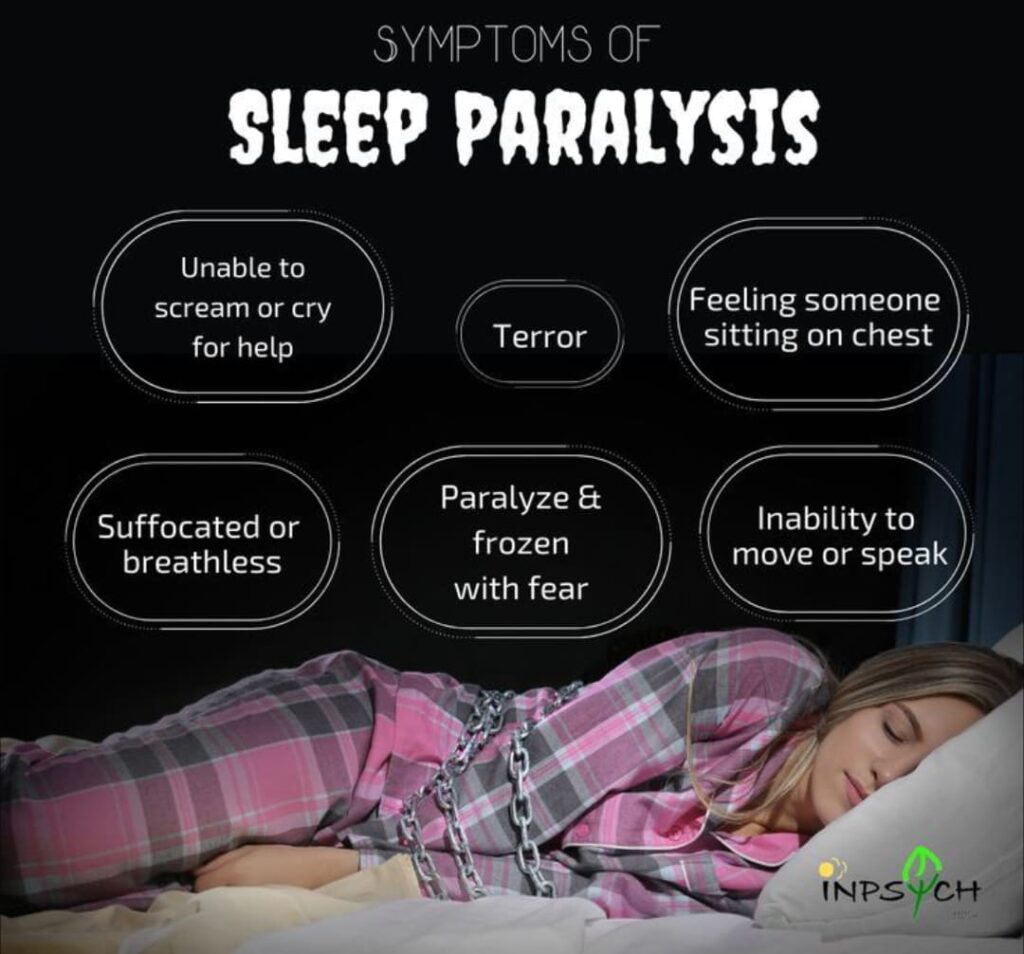
You wake up in the dark. Your mind is fully alert. Yet your body will not move, and you cannot speak.
Sleep paralysis in adults is far more common than most people realise. It is also one of the most frightening sleep experiences you can have. Many people feel pressure on the chest. Some sense a presence in the room.
Here is the reassuring truth. Episodes pass by themselves, and they are usually harmless. Once you understand what your brain is doing, the fear often loses much of its power.
This guide explains why sleep paralysis happens, what the strange sensations mean, and what genuinely helps. It also sits within our wider guide to sleep problems in adults.
⚠️ Medical Disclaimer: This article is for information only. It does not replace advice from your GP or a qualified sleep specialist. Please seek assessment if episodes are frequent or distressing.
What Is Sleep Paralysis?
Sleep paralysis is a temporary inability to move or speak while falling asleep or waking up. It happens when the muscle paralysis of REM sleep continues briefly after your mind has woken. Episodes usually last from a few seconds to a couple of minutes. They are most often triggered by sleep loss, irregular sleep schedules, and stress.
A systematic review reports that about 7.6% of the general population has had at least one episode. Among university students, one study found a much higher rate of 28.3%. In other words, you are far from alone.
Doctors call this condition a REM parasomnia. When it happens without another sleep disorder, it is called isolated sleep paralysis. If episodes keep returning, it is called recurrent isolated sleep paralysis.
What Happens in the Brain During Sleep Paralysis
Sleep paralysis looks mysterious. The mechanism is actually easy to follow.
Why You Are Paralysed in REM Sleep
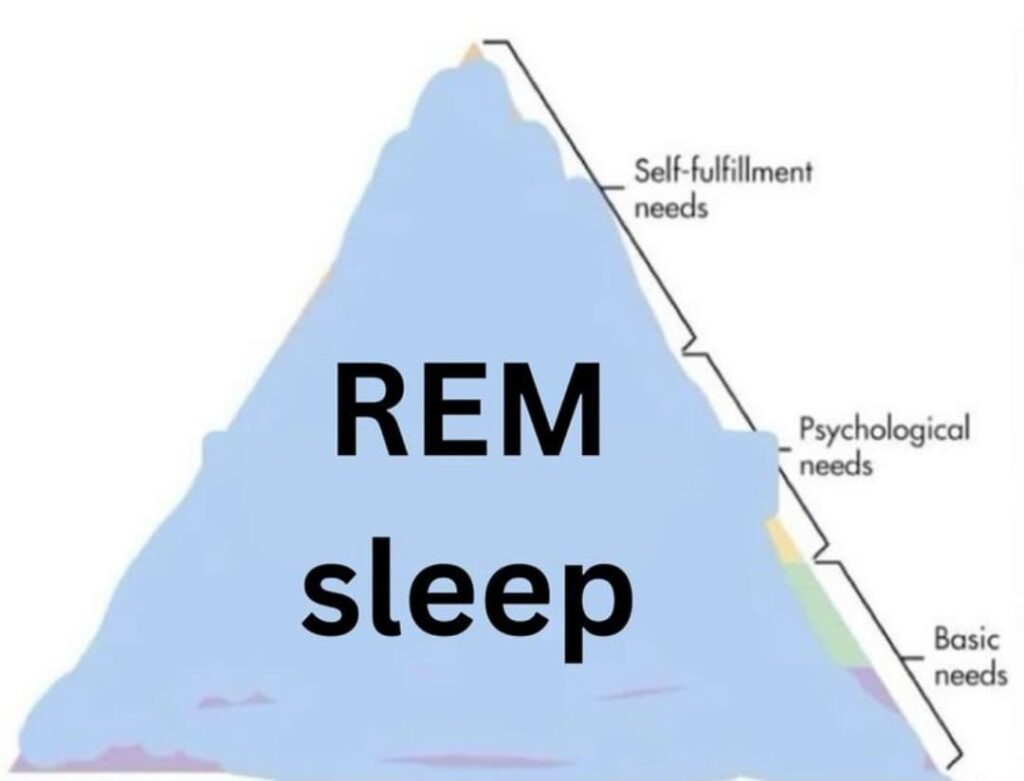
During REM sleep, your brain produces vivid dreams. Your body must not act them out. So the brainstem switches off your voluntary muscles.
Two brainstem areas, the pons and the ventromedial medulla, do this job. They quiet your motor neurons using the chemical messengers GABA and glycine. This protective paralysis is called REM atonia.
When the Mind Wakes Before the Body
In sleep paralysis, your brain wakes up, but the paralysis does not switch off in time. Researchers describe a sudden burst of waking brain activity inside REM sleep. A brief arousal follows. Then the muscle paralysis lingers into wakefulness.
Experts therefore call it a mixed state of consciousness. You are awake, yet part of your brain is still in REM sleep. Dream imagery can spill into what you see and feel.
Why It Feels So Terrifying
Your threat-detection system stays highly active in REM sleep. Being unable to move feels like danger. Researchers propose that this alarm shapes the frightening sensations, and fear then makes them stronger.
What You May See and Feel
Sleep paralysis often brings hallucinations. Researchers such as J. Allan Cheyne have described three common patterns.
| Type | What it feels like |
|---|---|
| Intruder | A sense that someone or something is in the room, sometimes seen as a shadowy figure |
| Chest pressure | Weight on the chest, difficulty breathing, or a feeling of being held down |
| Floating or movement | Sensations of floating, spinning, or leaving your body |
These experiences feel completely real. However, they come from your dreaming brain, not from outside you. Nothing is physically in the room.
Culture shapes how people explain them. One review notes that around half of people who experience sleep paralysis attribute it to paranormal or supernatural causes. Knowing the biological explanation can ease that fear considerably.
What Causes Sleep Paralysis in Adults?
Several factors raise your risk. They often overlap.
Sleep Deprivation and Irregular Schedules
Predisposing factors include sleep loss, irregular sleep-wake times, and jet lag. Shift work and late-night routines also disturb REM timing. Consistent sleep is therefore the most important single step.
Insomnia, Anxiety, and Depression
Insomnia, anxiety, and depression can all increase the chance of episodes. Stress plays a part as well. Our guides to depression and sleep and stress management cover these links in depth.
Trauma History
Research has linked early-life stress and trauma with higher rates of sleep paralysis. This is an association, not proof of cause. Still, it shows why mental health care can matter.
Narcolepsy
Sleep paralysis is common in narcolepsy type 1. One medical review notes that 25% to 74% of people with that condition experience it. Narcolepsy type 1 involves a shortage of orexin, a brain chemical that helps regulate REM sleep.
Alcohol, Medication Changes, and REM Rebound
Stopping alcohol or certain antidepressants can cause REM rebound, which may trigger episodes. Never stop a prescribed medicine on your own. Speak to your prescriber first.
Sleeping on Your Back
Some people notice episodes mainly when lying on their back. Research on this link is limited, so treat it as a clue rather than a rule.
Sleep Paralysis vs Other Night-Time Experiences
People often confuse these conditions. This table shows the differences.
| Condition | Can you move? | Key feature |
|---|---|---|
| Sleep paralysis | No, but you are aware | Happens at sleep onset or waking |
| Nightmare | Yes | Frightening dream you remember |
| Night terror | Yes, often thrashing | Partial arousal from deep sleep, little memory |
| REM sleep behaviour disorder | Yes, you act out dreams | Loss of normal REM paralysis, more common in older adults |
A sleep specialist can tell these apart. This matters because each one needs a different approach.
Is Sleep Paralysis Dangerous?
For most adults, no. Reviews describe episodes as benign and self-resolving. Importantly, sleep paralysis is not a sign of mental illness. Clinicians stress the need to separate it from psychiatric conditions.
Treatment is needed mainly when episodes repeat and cause fear. It is also needed when an underlying condition, such as narcolepsy, is involved.
What to Do During an Episode
These tips are commonly suggested by clinicians. Scientific evidence for them is limited, so see them as practical tools, not proven cures.
- Stay calm and remind yourself it is temporary. Say it silently: “This is sleep paralysis. It will pass.”
- Breathe slowly. Steady breaths calm your alarm system.
- Try tiny movements. Focus on wiggling a finger or toe.
- Do not fight the paralysis. Struggling can raise fear.
- Treat the images as dream content. They cannot hurt you.
How to Prevent Sleep Paralysis
Prevention rests on healthy sleep. Our sleep hygiene guide explains each step in detail.
- Keep fixed sleep and wake times. Do this every day, including weekends.
- Protect your sleep length. Aim for seven or more hours.
- Manage stress in the evening. Write worries down before bed. Our anxiety journaling prompts can help.
- Limit alcohol and late caffeine. Both disturb REM sleep.
- Try sleeping on your side. Do this if you notice episodes happen on your back.
- Keep a short sleep diary. Record bedtime, stress, alcohol, position, and any episodes. Patterns often appear within a few weeks.
Treatment for Recurrent Sleep Paralysis
Most people need only reassurance and better sleep habits. A review states that no drug treatment is required for isolated sleep paralysis. Doctors recommend sleep hygiene first.
Cognitive behavioural therapy (CBT) may help when episodes come with anxiety and frightening hallucinations. Treating insomnia, anxiety, or depression also lowers the risk. The main principles are to improve sleep, support mood, and manage related conditions.
If narcolepsy is the cause, a sleep specialist will guide treatment. This may include medication. That decision belongs with a specialist, not with self-treatment.
When to See a Doctor
Book an appointment with your GP if:
- Episodes happen weekly or more
- You fear going to sleep
- You feel very sleepy in the daytime or fall asleep suddenly
- You have sudden muscle weakness when laughing or upset
- You act out dreams, shout, or thrash in your sleep
- Episodes began after a new medication or stopping one
- Anxiety or low mood is affecting daily life
A sleep specialist may arrange a sleep study. This test can rule out conditions such as narcolepsy.
Sleep Paralysis in Adults: Key Takeaways
- Sleep paralysis is REM muscle paralysis continuing after the mind wakes
- About 7.6% of people experience at least one episode in their lifetime
- Hallucinations come from the dreaming brain, not from the room
- Sleep loss, irregular schedules, stress, and anxiety raise the risk
- Episodes are usually harmless and are not a sign of mental illness
- Good sleep habits are the first and best prevention
- CBT can help when fear and anxiety build up around episodes
- Frequent episodes with daytime sleepiness need medical assessment
A Word From mindnesto
Sleep paralysis can feel like the scariest moment of your night. That fear is completely understandable.
Yet the science offers real comfort. Your brain is doing something ordinary, just slightly out of sync. With steady sleep habits and the right support, episodes usually become rarer and far less frightening. 💙
→ Read next: Sleep Problems in Adults: The Complete Guide
→ Also read: Sleep Hygiene and Mental Health
Frequently Asked Questions
What causes sleep paralysis?
Sleep paralysis occurs when REM sleep paralysis continues after your mind wakes. Sleep loss, irregular schedules, stress, anxiety, and narcolepsy raise the risk. Alcohol and medication changes can also trigger it.
Is sleep paralysis dangerous?
Usually not. Episodes are benign and pass by themselves within seconds or minutes. See a doctor if they are frequent, frightening, or paired with daytime sleepiness.
How do I stop sleep paralysis?
Keep a regular sleep schedule and get enough sleep. Manage stress and limit alcohol. CBT can help if fear and anxiety are driving recurring episodes.
Why do I see shadow figures during sleep paralysis?
Your brain is partly in REM sleep, so dream imagery spills into waking awareness. Your threat system is also on alert. The figure feels real, but it comes from your brain.
Is sleep paralysis a sign of mental illness?
No. It is a sleep phenomenon, not a psychiatric disorder. However, anxiety, depression, and trauma can raise the chance of episodes, so mental health support may help.
Where to Get Help
- UK: NHS: Narcolepsy | NHS Talking Therapies
- USA: AASM Sleep Education | ADAA
- Canada: CAMH
- Australia: Sleep Health Foundation | Beyond Blue
Sources and External References
- PubMed: Recurrent Isolated Sleep Paralysis
- PMC: Recent Insights Into Sleep Paralysis, Mechanisms and Management
- PMC: Prevalence and Clinical Picture of Sleep Paralysis in a Student Sample
- Journal of Integrative Neuroscience: Sleep Paralysis Review
- Cureus: Recent Insights Into Sleep Paralysis
- Sleep Foundation: Sleep Paralysis
- AASM Sleep Education
- NHS: Narcolepsy
- NHS Talking Therapies
- Sleep Health Foundation Australia