




By mindnesto Editorial Team · Updated June 2026 · 11 min read
Reviewed for medical accuracy — sources cited from APA Monitor 2026, ScienceDirect, PLoS One, PMC and peer-reviewed clinical psychiatry research
Here is something worth sitting with for a moment. Sleep complaints — including insomnia, hypersomnia, and fragmented rest — are reported by approximately 90 percent of people diagnosed with major depressive disorder. That figure is striking. It means that sleep disturbance and depression are not simply related — they are almost inseparable companions for the vast majority of people who experience either one. PubMed Central
And yet most conversations about depression focus almost entirely on mood, motivation, and thought patterns. Sleep gets mentioned as a symptom to track. Rarely does it get treated as what the research increasingly suggests it is — a genuine pathway into depression, and an equally powerful pathway out of it.
Understanding the relationship between depression and sleep has changed significantly in recent years. Recent research has revealed more about the links between sleep and mental health. As sleep scientists uncover clues about the ways sleep affects the brain, new interventions are helping to improve sleep in people with sleep disorders like insomnia. What those clues reveal is a story far more interesting — and more useful — than the simple idea that depression makes it hard to sleep. APA
This guide covers everything the latest research tells us about depression and sleep — the neuroscience, the new 2026 findings, and the evidence-based strategies that genuinely interrupt the cycle between them.
We have linked this to our depression mental health guide, our insomnia mental health guide, and our sleep optimization guide — because treating these conditions in isolation, as most health content does, misses the most important part of the picture.
⚠️ Medical Disclaimer: This article is for informational and educational purposes only. If you are experiencing depression or significant sleep disturbances, please consult your GP or a qualified mental health professional. Do not adjust medications without professional guidance.
The Bidirectional Relationship — Which Comes First?
This is the question most people ask when they first encounter the research on depression and sleep. Does poor sleep cause depression? Or does depression cause poor sleep?
The honest and most accurate answer is: both. And that is precisely what makes this relationship so clinically significant.
Sleep disturbances are both a primary symptom of and a risk factor for major depressive disorder. Sleep alterations in MDD include the presence of insomnia or hypersomnia and aberrations in sleep macro- and microstructure, including reduced latency until and prolonged duration of the first REM episode, decreased slow-wave sleep, disturbed sleep continuity, and decreased steepening of aperiodic neural activity. ScienceDirect
In plain language: depression changes the fundamental architecture of how you sleep. And damaged sleep architecture, in turn, creates the neurological conditions that make depression worse and recovery harder.
Longitudinal epidemiological studies have shown that non-depressed individuals with insomnia have a twofold risk of developing depression. That is not a small number. It means that if you are struggling with insomnia right now and you do not have depression, your risk of developing it is twice that of someone who sleeps well. Sleep is not a passive bystander in mental health. It is an active biological determinant of it. ScienceDirect
The 2026 Norwegian Study — New Data That Changes the Conversation
One of the most significant recent contributions to this field comes from a 2025 prospective cohort study published in PMC, examining over 53,000 Norwegian higher education students aged 18 to 35.
Insomnia in young adults was associated with a significantly increased risk of major depressive episodes, with an adjusted relative risk of 3.50, and generalised anxiety disorder, with an adjusted relative risk of 2.82, one year later. Sleep duration showed a reversed J-shaped association with mental disorders, with both short and, to a lesser extent, long sleep durations linked to elevated risks, even after adjusting for baseline mental health symptoms and somatic conditions. nih
Three and a half times the risk of a major depressive episode. That is a clinical finding of genuine significance — and one that most popular health articles have not yet incorporated into their guidance on depression and sleep.
What Depression Does to Your Sleep Architecture — The Neuroscience
Understanding the specific biological changes that depression produces in sleep is where this topic becomes genuinely fascinating — and where the pathway toward better treatment becomes most clear.
REM Sleep in Major Depressive Disorder
In typical, healthy sleep, the first REM episode occurs approximately 90 minutes after sleep onset. In people with major depressive disorder, this timing changes significantly. MDD is characterised by a reduced latency until the first rapid eye movement episode and a prolonged duration of that first episode, alongside decreased slow-wave sleep, disturbed sleep continuity, and decreased steepening of aperiodic neural activity. ScienceDirect
REM sleep arriving too early — and lasting too long in the first half of the night — disrupts the normal progression of sleep cycles. Slow-wave sleep, which is the deepest and most physically restorative phase, becomes compressed and reduced. The result is a night that appears complete in duration but is deeply inadequate in quality.
Neuroscientists now understand that this is not simply a consequence of depression. It may also be a biological marker that predicts who is most vulnerable to a depressive episode — meaning abnormal REM patterns can be detected before full depressive symptoms appear.
The HPA Axis and Cortisol — The Stress-Sleep-Depression Triangle
The hypothalamic-pituitary-adrenal (HPA) axis sits at the centre of the biological relationship between depression and sleep. Chronic cortisol elevation — a hallmark of HPA axis dysregulation in depression — directly suppresses slow-wave sleep, fragments sleep continuity, and accelerates the onset of REM sleep. This produces the exact sleep architecture pattern described above.
Meanwhile, disrupted sleep itself maintains HPA axis dysregulation by preventing the overnight cortisol clearance that healthy sleep provides. You end up in a self-reinforcing biological loop: depression elevates cortisol, elevated cortisol damages sleep, damaged sleep maintains elevated cortisol, elevated cortisol maintains and deepens depression.
Breaking this loop requires intervening at multiple points simultaneously — which is why treating either depression or sleep in isolation so frequently produces incomplete results.
The Glymphatic System — What Sleep Deprivation Leaves Behind
One of the most important discoveries in neuroscience over the past decade is the glymphatic system — the brain’s waste-clearance network, which operates almost exclusively during deep sleep. During slow-wave sleep, the brain’s interstitial space expands significantly, allowing cerebrospinal fluid to flush out the toxic metabolic byproducts of waking neurological activity.
Among the substances the glymphatic system clears are amyloid-beta and tau proteins — both implicated in neurodegeneration. But the system also clears the neuroinflammatory byproducts of chronic stress that directly impair mood regulation and cognitive function.
When slow-wave sleep is reduced by depression, this clearance process is compromised. The neuroinflammatory load of chronic stress accumulates — worsening the cognitive symptoms of depression and creating a neurological environment that is genuinely hostile to recovery. This is not a metaphor. It is measurable biology.
The Amygdala and Emotional Dysregulation in Sleep-Deprived Depression
Research from Dr. Matthew Walker of UC Berkeley has demonstrated that sleep deprivation increases amygdala reactivity by approximately 60 percent. In the context of depression — where the amygdala is already hyperreactive to negative emotional stimuli — this amplification effect is clinically significant.
Acute sleep deprivation disrupts emotion, cognition, inflammation, and cortisol in young healthy adults. In people already experiencing depression, this disruption compounds the existing emotional dysregulation — making negative thought patterns more intense, more persistent, and more resistant to cognitive reframing. PubMed Central
The Two Presentations — Insomnia and Hypersomnia in Depression
Depression does not produce a single sleep pattern. It produces two distinct and seemingly opposite presentations that both require specific clinical attention.
Insomnia in Depression
Insomnia is the most commonly discussed sleep disturbance in depression — and the most prevalent. Difficulty falling asleep, frequent nighttime awakenings, and early morning awakening that cannot be resolved with further sleep are the three most common insomnia presentations in major depressive disorder.
Early morning awakening — waking significantly before the intended time and being unable to return to sleep — is particularly characteristic of depression, and is often one of the first symptoms to appear as a depressive episode develops. It reflects the HPA axis abnormalities described above, which produce a cortisol surge earlier and more abruptly than the normal pattern.
Among insomnia patients in clinical settings, the prevalences of depression and anxiety were 87.1 percent and 88.0 percent respectively — reflecting the near-universal co-occurrence of these conditions in clinical populations. Nature
Hypersomnia in Depression — The Pattern That Gets Less Attention
Less discussed but equally important is hypersomnia — excessive sleeping — as a depression presentation. Symptoms of hypersomnia affect between 37 and 57 percent of patients with MDD in some studies, and as low as 11 percent in others, compared with 19 to 27 percent in the general population. ScienceDirect
Hypersomnia in depression can be particularly confusing — both for individuals experiencing it and for clinicians assessing them. Extended sleep does not produce the restorative outcomes that equivalent sleep duration produces in healthy individuals. Instead, it typically involves difficulty waking, persistent fatigue despite long sleep periods, and daytime drowsiness that does not respond to additional rest. This is because it is the architecture of sleep, not simply its duration, that determines its restorative value.
The Evidence-Based Treatment Approach — Addressing Both Together
The most important clinical advance in the treatment of comorbid depression and sleep disturbance is the growing recognition that treating both simultaneously produces superior outcomes to treating either one first.
CBT-I as a Depression Treatment — Not Just a Sleep Treatment
Research on the comorbidity of insomnia and depression from 2000 to 2024 identified CBT-I and personalised treatment approaches as major emerging trends. Key authors including Allison G. Harvey, Charles M. Morin, and Daniel J. Buysse have made substantial contributions to establishing CBT-I as a clinical treatment for comorbid insomnia and depression. nih
The most significant finding in this space is that treating insomnia with CBT-I produces measurable improvements in depression — not just in sleep. Interventions for insomnia such as cognitive behavioural therapy also ameliorate depressive symptoms. This means that addressing sleep through CBT-I is simultaneously a depression intervention — which has profound implications for how these conditions should be approached clinically. ScienceDirect
CBT-I addresses the specific cognitive and behavioural patterns that maintain insomnia — sleep anxiety, maladaptive sleep beliefs, and counterproductive compensatory behaviours — through techniques including sleep restriction, stimulus control, cognitive restructuring, and relaxation training. When applied in the context of depression, it addresses both the insomnia and the depressive rumination patterns that insomnia and depression share.

Antidepressants and Sleep Architecture
Most antidepressants affect sleep architecture — and understanding how helps individuals and clinicians make more informed treatment decisions. SSRIs and SNRIs typically suppress REM sleep and can worsen insomnia during the early weeks of treatment before therapeutic benefits emerge. Mirtazapine and trazodone, by contrast, have sedating properties and may improve sleep quality alongside their antidepressant effects.
Individuals experiencing significant sleep disturbance alongside depression should discuss the sleep-architecture effects of specific antidepressants with their prescribing clinician — as the choice of medication can meaningfully influence both sleep outcomes and depressive recovery.
Light Therapy — An Often-Overlooked Bridge
Morning bright light therapy has accumulated a significant evidence base for both depression and sleep — particularly for individuals whose depression has a seasonal pattern or whose circadian rhythm is significantly disrupted. Research published in JAMA Psychiatry found light therapy comparable in effectiveness to antidepressant medication for non-seasonal depression in several trials.
Light therapy works by resetting the circadian rhythm through the retinohypothalamic tract — directly targeting the biological clock disruptions that underlie both the REM sleep abnormalities of depression and the cortisol timing disruptions of the HPA axis.
Practical Strategies for Managing Depression and Sleep Together
1. Maintain a Consistent Wake Time — Even When It Is Difficult
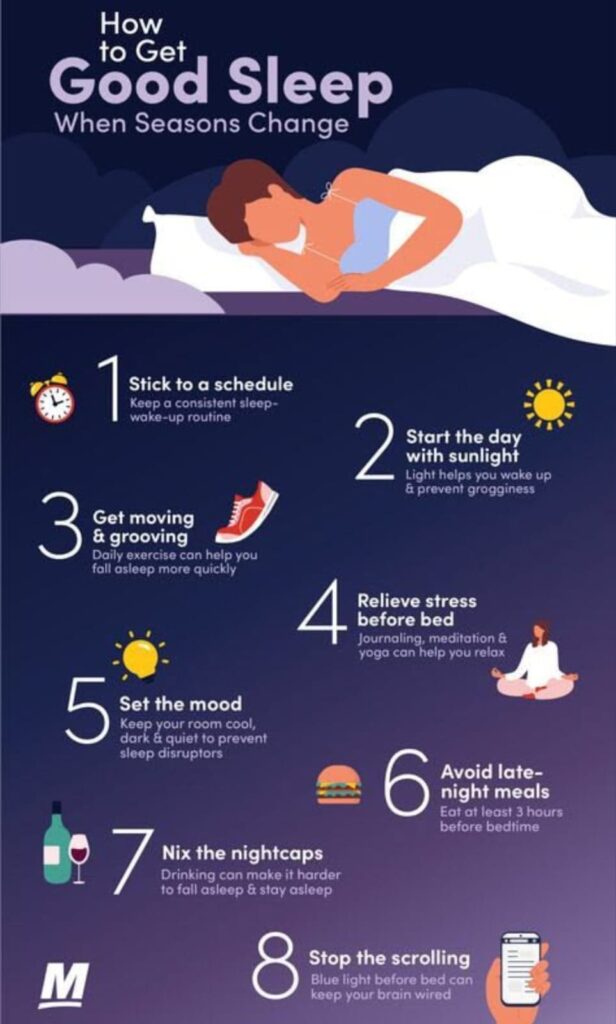
A fixed daily wake time is the single most powerful circadian anchor available — and it matters most precisely when depression makes the idea of getting out of bed feel impossible. Maintaining a consistent wake time, regardless of how difficult sleep was the previous night, prevents the circadian drift that worsens both depression and sleep simultaneously.
2. Access CBT-I Through Your Healthcare Provider
If you are experiencing depression alongside significant insomnia, specifically request CBT-I — rather than simply waiting for depression treatment to improve your sleep. The research on CBT-I for comorbid depression and insomnia is now sufficiently strong that most clinical guidelines support offering it alongside or prior to antidepressant treatment.
- UK: NHS Talking Therapies | Sleepio (NICE-approved digital CBT-I)
- USA: ADAA Therapist Finder | Somryst (FDA-cleared digital CBT-I)
- Canada: CAMH
- Australia: Beyond Blue
3. Protect Morning Light Exposure Rigorously
Ten minutes of outdoor natural light within 30 minutes of waking anchors your cortisol timing, sets your circadian melatonin release window, and activates the serotoninergic pathways that underlie both morning mood and evening sleep. For individuals with depression, this practice is one of the lowest-cost, highest-evidence daily interventions available.
4. Address Rumination Before Bedtime
Depressive rumination is one of the most consistent insomnia-maintaining factors in MDD — and one of the most addressable through structured pre-sleep practices. Our anxiety journaling prompts provide specific written exercises that externalise ruminative content before sleep, preventing it from intruding once the lights go out.
5. Discuss Sleep Specifically With Your Doctor
When seeking help for depression, raise sleep explicitly — not as a symptom to list but as a clinical priority to address. Ask specifically: is sleep architecture assessment possible? Should CBT-I be offered alongside medication? Are there antidepressants that are more or less likely to affect my sleep patterns? These are legitimate, evidence-supported clinical questions that your GP or psychiatrist can engage with meaningfully.
Depression and Sleep Key Takeaways — Featured Snippet Optimised
The essential 2026 evidence on depression and sleep:
- Approximately 90 percent of people with major depressive disorder report significant sleep complaints
- The relationship is bidirectional — depression disrupts sleep, and disrupted sleep increases depression risk
- Non-depressed individuals with insomnia have a twofold risk of developing depression
- A 2025 Norwegian study of 53,000 young adults found insomnia associated with a 3.5 times greater risk of major depressive episode
- Depression disrupts sleep architecture by reducing slow-wave sleep, advancing REM onset, and fragmenting sleep continuity
- The HPA axis cortisol loop — depression raises cortisol, cortisol damages sleep, damaged sleep maintains cortisol elevation — is the central biological maintaining mechanism
- CBT-I treats insomnia and simultaneously reduces depressive symptoms — making it a depression intervention, not just a sleep one
- Consistent wake time, morning light exposure, and pre-sleep rumination management are the three highest-leverage daily practices
- Antidepressant choice affects sleep architecture — discuss this explicitly with your prescribing clinician
- Treating depression and sleep disturbance simultaneously produces superior outcomes to treating either in isolation
A Word From mindnesto
At mindnesto, we believe that the conversation about depression needs to include sleep — not as a footnote, but as a central chapter. The research is clear that these two conditions maintain each other through shared biological mechanisms, and that addressing them together produces outcomes that neither approach in isolation can match.
If you are managing depression right now, and your sleep is struggling alongside it, please bring both to the attention of your healthcare provider. You are not dealing with one problem and one symptom. You may well be dealing with two interacting conditions — both of which have highly effective treatments, and both of which respond better when treated at the same time.
Your brain deserves the restoration that genuinely good sleep provides. And you deserve the mental health that follows from it. 💙
→ Read next: Depression Mental Health — Understanding and Overcoming
→ Also read: Sleep Optimization — 12 Science-Backed Strategies
Frequently Asked Questions
How does depression affect sleep?
Depression alters sleep architecture in several specific ways — reducing slow-wave sleep, advancing the onset of the first REM episode, fragmenting sleep continuity, and producing early morning awakening. These changes are driven by HPA axis dysregulation and elevated cortisol, which interfere with the normal progression of sleep stages. The result is sleep that may appear adequate in duration but is deeply inadequate in restorative quality.
Can poor sleep cause depression?
Yes — longitudinal research shows that non-depressed individuals with insomnia have twice the risk of developing depression. A 2025 Norwegian study of over 53,000 young adults found insomnia associated with a 3.5 times greater risk of major depressive episode one year later. Sleep deprivation elevates cortisol, increases amygdala reactivity, impairs glymphatic clearance, and creates a neurological environment directly conducive to depression development.
Why do depressed people sleep so much?
Hypersomnia — excessive sleeping — affects between 37 and 57 percent of people with major depressive disorder. It reflects altered sleep architecture rather than simple tiredness: the brain cycles through sleep stages abnormally, producing extended sleep that lacks adequate slow-wave restorative depth. As a result, long sleep periods in depression rarely produce the refreshed, energised waking state that equivalent sleep duration produces in healthy individuals.
What is the best treatment for depression and insomnia together?
Current evidence supports CBT-I (Cognitive Behavioural Therapy for Insomnia) as the most effective treatment for comorbid depression and insomnia — producing improvements in both conditions simultaneously. Antidepressant medications with sedating properties may additionally support sleep. Morning light therapy has strong evidence for both depression and circadian rhythm disruption. Most clinical guidelines now recommend addressing sleep and depression in parallel rather than sequentially.
How long does sleep improve after depression treatment?
Sleep improvements during depression treatment typically lag behind mood improvements by several weeks. CBT-I and antidepressants both begin affecting sleep within 2–4 weeks, but full restoration of healthy sleep architecture may take 3–6 months of sustained treatment. Some sleep architecture abnormalities — particularly REM patterns — may persist as biological vulnerabilities even after full depressive remission, which is why ongoing sleep hygiene practices remain important during recovery.
Sources and External References
- APA Monitor — The New Science of Sleep, June 2026
- ScienceDirect — Sleep Neurophysiology in Depression, August 2025
- PMC — Insomnia Comorbid With Depression Bibliometric 2025
- PMC — Insomnia Depression Prospective Study 2026
- PLoS One — Sleep Duration and Depression US Adults 2026
- Scientific Reports — Anxiety Depression in Insomnia Patients 2025
- PMC — Depression in Sleep Disturbance Review
- NHS — Depression and Sleep
- NICE — Depression in Adults Guidelines
- NHS Talking Therapies
- ADAA — Find a Therapist
- CAMH Canada
- Beyond Blue Australia
- Mind UK — Sleep Problems