






By MindNesto Editorial Team · Updated June 2026 · 10 min read
Reviewed for nutritional and medical accuracy — sources cited from NHS, Harvard Medical School, WHO and peer-reviewed research
Think about the last time you felt genuinely, deeply calm. Chances are, you were not running on caffeine, processed snacks and irregular meals. And think about the last time your anxiety spiked unexpectedly, your mood crashed, or your concentration simply fell apart — often, those moments follow dietary patterns we rarely stop to examine.
The connection between what you eat and how you feel is not simply common sense. It is one of the most rapidly growing areas of clinical science — and the evidence is now compelling enough that leading researchers are calling nutrition the missing piece in mental health care.
Dr. Uma Naidoo of Harvard Medical School — one of the world’s foremost experts in nutritional psychiatry and author of This Is Your Brain on Food — states plainly: “What you eat directly and significantly affects your brain chemistry, your mood, your anxiety levels and your long-term mental health outcomes.”
This guide explores the science behind that statement in accessible, practical terms. Moreover, it gives you 10 specific, evidence-based dietary changes that will genuinely support your mental health — whether you are managing anxiety, recovering from burnout, or simply wanting to protect your wellbeing for the long term.
We have also connected this guide to our posts on science-backed ways to calm anxiety without medication and burnout prevention strategies — because nutrition, anxiety management and burnout recovery are deeply and consistently interconnected.
⚠️ Medical Disclaimer: This article is for informational and educational purposes only. It is not a substitute for professional medical or nutritional advice. If you have existing health conditions or are considering significant dietary changes, please consult your GP or a registered dietitian before doing so.
The Gut-Brain Connection — The Science That Changes Everything
To understand how eating habits affect mental health, you first need to understand the gut-brain axis — the bidirectional communication network between your digestive system and your brain. This is not a metaphor. It is a real, measurable biological system that profoundly shapes your mood, anxiety levels, cognitive function, and emotional resilience.
Your Gut Produces Most of Your Serotonin
Here is a fact that surprises most people: approximately 90 to 95 percent of your body’s serotonin — the primary mood-regulating neurotransmitter — is produced not in your brain, but in your gut. Specifically, it is produced by specialised cells in the gut lining that are directly influenced by the composition of your gut microbiome — the ecosystem of trillions of bacteria, fungi and microorganisms living in your digestive tract.
This means that the food you eat directly influences the microorganisms that produce the neurotransmitters that regulate your mood. Consequently, dietary choices and mental health are connected far more directly than most people — and historically, most doctors — have recognised.
The Vagus Nerve — Your Gut-Brain Highway
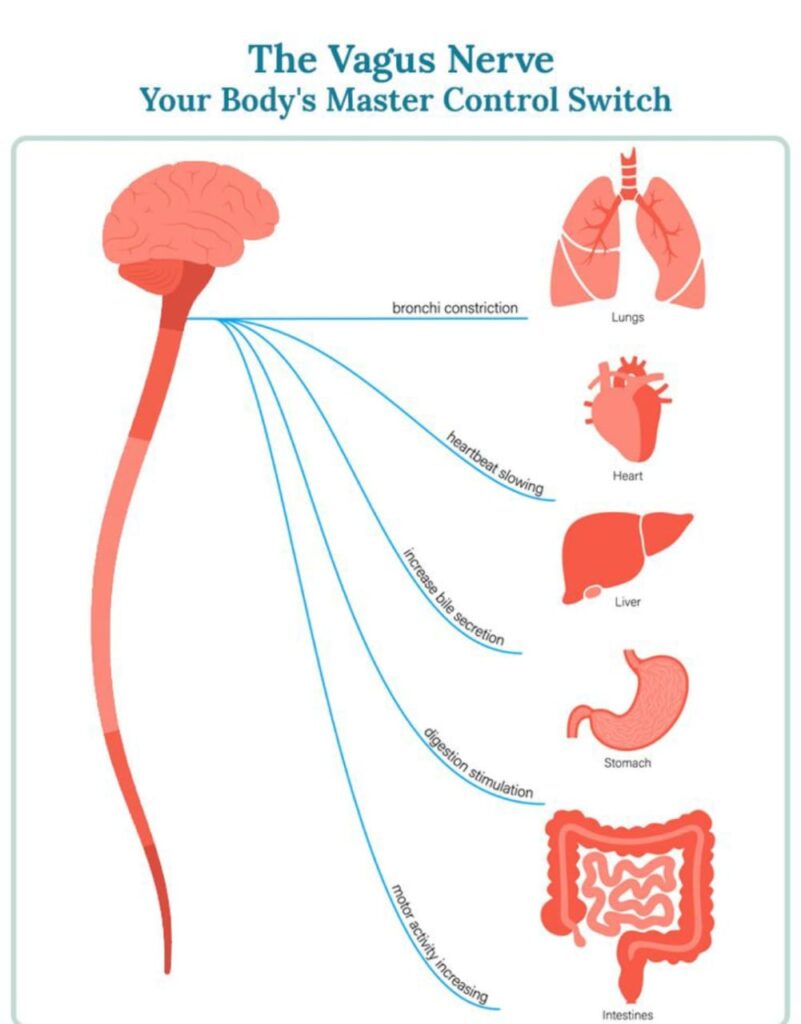
The primary communication channel between your gut and your brain is the vagus nerve — the longest nerve in your body, running from your brainstem through your chest and abdomen. Remarkably, approximately 80 percent of the information travelling along the vagus nerve flows upward from the gut to the brain — not downward as once assumed.
This means your gut is continuously sending signals to your brain about the state of your digestive environment — and those signals directly influence your mood, stress response, cognitive clarity, and anxiety levels. Healthy gut function produces calm, clear signals. Disrupted gut function — from poor diet, stress, antibiotic use, or insufficient dietary diversity — produces signals that contribute to anxiety, brain fog, and emotional dysregulation.
Nutritional Psychiatry — An Emerging Revolution in Mental Healthcare
Nutritional psychiatry is the clinical discipline that studies and applies the relationship between diet and mental health outcomes. It represents one of the most exciting frontiers in mental healthcare — because it offers interventions that are accessible, affordable and side-effect free compared to pharmacological alternatives.
A landmark study by Dr. Felice Jacka of Deakin University — published in BMC Medicine — found that dietary intervention alone produced a significant reduction in depression symptoms in adults with moderate-to-severe depression, comparable in effect size to psychological therapy. This study fundamentally changed how researchers and clinicians think about the role of food in mental health treatment.
How Poor Eating Damage MentalMealth-The Mechanism
Understanding specifically how poor dietary choices harm mental health makes the 10 strategies below far more motivating to implement.
Blood Sugar Dysregulation and Mood Crashes
When you eat high-sugar or highly refined carbohydrate foods, your blood sugar rises rapidly — and then drops sharply as insulin clears the glucose from your bloodstream. This blood sugar crash triggers a stress response: your body releases cortisol and adrenaline to raise blood sugar back to normal.
The result is a physiological state that is functionally identical to an anxiety response — heart rate elevation, mental agitation, irritability, and difficulty concentrating. For people who are already prone to anxiety, frequent blood sugar crashes significantly worsen their baseline symptom burden.
Inflammation and the Brain
Increasingly, researchers are recognising chronic low-grade inflammation as a significant factor in both anxiety disorders and depression. A meta-analysis published in JAMA Network Open found that individuals with elevated inflammatory markers — including C-reactive protein and interleukin-6 — were significantly more likely to develop depression and anxiety disorders.
Crucially, diet is one of the most powerful drivers of systemic inflammation. Ultra-processed foods, refined sugars, industrial seed oils, and excessive alcohol consumption all promote inflammatory pathways. Conversely, an anti-inflammatory diet rich in omega-3 fatty acids, polyphenols, and dietary fibre actively reduces inflammation — with measurable benefits for mental health outcomes.
Ultra-Processed Foods and Mental Health — Alarming New Evidence
Research published in Frontiers in Psychiatry found that higher consumption of ultra-processed foods — ready meals, fast food, packaged snacks, sweetened beverages — was strongly associated with increased risk of anxiety, depression, and cognitive decline. Notably, this association remained significant after controlling for socioeconomic factors, physical activity, and pre-existing health conditions.
Furthermore, Professor Tim Spector of Kings College London — one of the world’s leading gut microbiome researchers — has demonstrated that ultra-processed foods significantly reduce microbiome diversity within days of consumption. Given the gut microbiome’s central role in serotonin production and mood regulation, this is a finding with profound mental health implications.
10 Evidence-Based Dietary Habits That Support Mental Health
1.Prioritise the Mediterranean Diet Pattern
Of all dietary patterns studied in relation to mental health, the Mediterranean diet has the strongest and most consistent evidence base. A systematic review published in Lancet Psychiatry found that adherence to a Mediterranean dietary pattern was associated with significantly lower rates of depression and anxiety across diverse population groups.
The Mediterranean diet emphasises:
- Abundant vegetables and fruits — at least 5 varied portions daily
- Wholegrains — oats, brown rice, whole wheat bread, quinoa
- Legumes — lentils, chickpeas, black beans, kidney beans
- Oily fish — salmon, sardines, mackerel — at least twice weekly
- Olive oil as the primary fat source
- Nuts and seeds — particularly walnuts and flaxseeds
- Moderate dairy — preferably fermented, such as yoghurt and kefir
- Limited red meat — maximum twice weekly
- Very limited processed foods and refined sugars
2.Increase Omega-3 Fatty Acid Intake
Omega-3 fatty acids — particularly EPA (eicosapentaenoic acid) and DHA (docosahexaenoic acid) — are among the most extensively researched nutritional interventions for mental health. They are essential structural components of brain cell membranes and play a critical role in reducing neuroinflammation.
A meta-analysis published in Translational Psychiatry found that omega-3 supplementation produced significant reductions in both anxiety and depression symptoms. The effect was strongest in studies using doses of 1–2 grams of EPA per day.
Best dietary sources of omega-3:
- Oily fish — salmon, mackerel, sardines, herring, anchovies
- Walnuts and walnut oil
- Flaxseeds and flaxseed oil
- Chia seeds
- Hemp seeds
- Algae-based omega-3 supplements — the best option for vegetarians and vegans
3.Feed Your Gut Microbiome
Given the gut microbiome’s central role in serotonin production and mood regulation, actively nourishing it through diet is one of the most direct ways to support mental health from the inside out.
Your microbiome thrives on dietary diversity and fibre — and struggles with processed foods, excessive sugar, and antibiotic overuse.
To nourish your gut microbiome:
- Aim for 30 different plant foods per week — counting every different fruit, vegetable, wholегrain, legume, nut, seed and herb separately
- Include fermented foods daily — yoghurt with live cultures, kefir, kimchi, sauerkraut, miso, tempeh
- Prioritise prebiotic foods — garlic, onions, leeks, asparagus, bananas, oats — which feed beneficial bacteria
- Limit antibiotics to situations where they are genuinely medically necessary
4.Stabilise Your Blood Sugar
Because blood sugar dysregulation directly triggers cortisol and adrenaline release — producing anxiety-like symptoms — maintaining stable blood sugar is a practical and often immediately impactful mental health strategy.
Blood sugar stabilisation strategies:
- Never skip breakfast — eating within 60–90 minutes of waking stabilises cortisol patterns for the day
- Always combine carbohydrates with protein and healthy fat — this slows glucose absorption and prevents sharp spikes and crashes
- Choose low glycaemic index carbohydrates — oats, sweet potato, lentils, wholegrains — over refined alternatives
- Eat at consistent times daily — irregular meal timing disrupts cortisol rhythms and worsens anxiety
- Limit sugary snacks and drinks — including fruit juices, which deliver sugar without the stabilising fibre of whole fruit
5.Eat Magnesium-Rich Foods Daily
Magnesium is the fourth most abundant mineral in the human body and is critically involved in over 300 enzymatic reactions — including the regulation of the HPA axis (your cortisol stress response system) and the activation of GABA receptors in the brain.
Research published in Nutrients Journal found that magnesium deficiency — which is remarkably common in Western diets due to soil depletion and food processing — significantly increases anxiety and impairs stress response regulation.
Best magnesium-rich foods:
- Dark leafy greens — spinach, kale, Swiss chard
- Pumpkin seeds and sunflower seeds
- Almonds and cashews
- Dark chocolate (70% cacao or higher)
- Avocado
- Black beans and lentils
- Banana
5.Reduce Ultra-Processed Food Consumption
Based on the evidence presented earlier, reducing your consumption of ultra-processed foods is one of the most impactful dietary changes you can make for your mental health. This does not mean eliminating all processed food — it means shifting gradually toward a diet dominated by whole, minimally processed ingredients.
A practical rule: if a food product contains more than 5 ingredients — particularly ingredients you would not find in a home kitchen — it is likely ultra-processed.
Practical reduction strategies:
- Cook one more meal at home per week than you currently do — and build gradually from there
- Replace packaged snacks with nuts, fruit, yoghurt, or boiled eggs
- Choose whole fruit over fruit juices and smoothies
- Read ingredient labels — and put back products dominated by additives, emulsifiers and flavourings
7.Stay Consistently Hydrated
Dehydration is one of the most underestimated contributors to poor mood and cognitive function. Research published in the British Journal of Nutrition found that even mild dehydration — a body water deficit of just 1–2% — was associated with increased fatigue, reduced concentration, and heightened anxiety and tension.
The NHS](https://www.nhs.uk/live-well/eat-well/food-guidelines-and-food-labels/water-drinks-nutrition/) recommends approximately 6–8 glasses (1.5–2 litres) of fluid daily for adults — with water being the optimal choice.
Practical hydration habits:
- Begin each morning with a large glass of water before any caffeine
- Keep a water bottle consistently visible and within reach during working hours
- Eat water-rich foods — cucumber, celery, watermelon, oranges — which contribute to daily fluid intake
- Monitor your urine colour — pale yellow indicates adequate hydration; dark yellow indicates dehydration
8.Limit Caffeine and Alcohol
As noted in our guide on digital wellness habits, both caffeine and alcohol significantly impact mental health — and their dietary relationship with anxiety and mood is equally important.
Caffeine stimulates the release of cortisol and adrenaline, mimicking anxiety physiologically. For people already experiencing anxiety, it amplifies symptoms significantly.
Alcohol temporarily reduces anxiety by enhancing GABA activity — but produces a rebound effect the following day, raising baseline anxiety and depleting serotonin and dopamine. Regular alcohol use is strongly associated with anxiety and depression in research published by the NHS and ADAA.
Practical reduction strategies:
- Cap caffeine intake at 200mg daily — roughly 1–2 cups of coffee
- Avoid caffeine after 2pm to protect sleep quality
- Adhere to the NHS guideline of a maximum of 14 units of alcohol per week
- Introduce at least 2 alcohol-free days per week
9.Practise Mindful Eating
Mindful eating — the practice of bringing full, non-judgmental attention to the experience of eating — has been shown in research published in Frontiers in Psychology to reduce emotional eating, binge eating, food-related anxiety, and stress reactivity around mealtimes.
Beyond its psychological benefits, eating slowly and mindfully activates the parasympathetic nervous system — your rest and digest mode — which directly improves digestion, nutrient absorption, and the gut-brain signalling that influences mood.
Simple mindful eating practices:
- Eat without screens — no phone, television or laptop during meals
- Put your cutlery down between bites and chew thoroughly
- Pause before eating to notice genuine hunger versus emotional hunger
- Eat at a table rather than standing at a counter or desk
- Notice and appreciate the flavours, textures and aromas of your food
10.Eat Regular, Consistent Meals
Finally, meal timing and consistency have a greater impact on mental health than most people recognise. Skipping meals — particularly breakfast — creates blood sugar instability, cortisol spikes and sustained periods of low energy that directly worsen anxiety and mood.
Research published in the Journal of Affective Disorders found that consistent meal timing was associated with significantly more stable mood, reduced anxiety symptoms, and better sleep quality compared to irregular eating patterns.
For consistent meal timing:
- Eat breakfast within 60–90 minutes of waking every day
- Space meals no more than 4–5 hours apart to maintain stable blood glucose
- Plan meals in advance — even loosely — to reduce decision fatigue and impulsive food choices
- Prioritise sitting down for meals rather than eating on the move
The Mental Health Foods Worth Highlighting
Certain foods appear consistently across the research as particularly beneficial for mental health. While no single food is a cure, these deserve a consistent place in your diet:
| Food | Key Mental Health Benefit |
|---|---|
| Oily fish (salmon, sardines) | Omega-3 EPA/DHA — reduces neuroinflammation |
| Dark leafy greens | Magnesium, folate — support serotonin and GABA |
| Fermented foods (kefir, yoghurt) | Probiotics — diversify gut microbiome, boost serotonin |
| Walnuts | Omega-3, polyphenols — reduce inflammation |
| Dark chocolate (70%+) | Magnesium, flavonoids — reduce cortisol |
| Eggs | Tryptophan, choline — serotonin and dopamine precursors |
| Oats | Slow-release glucose, prebiotic fibre — stabilise blood sugar and feed gut bacteria |
| Blueberries | Anthocyanins — reduce oxidative stress and neuroinflammation |
| Avocado | Magnesium, healthy fats — support HPA axis regulation |
| Lentils and legumes | Prebiotic fibre, folate — nourish gut microbiome |
Key Takeaways — Featured Snippet Optimised
How eating habits affect mental health — 10 key strategies:
- Follow a Mediterranean dietary pattern — strongest evidence base for reducing anxiety and depression
- Increase omega-3 fatty acids — EPA and DHA reduce neuroinflammation and anxiety symptoms
- Feed your gut microbiome — 30 plant foods per week plus fermented foods daily support serotonin production
- Stabilise blood sugar — prevents cortisol and adrenaline spikes that worsen anxiety
- Eat magnesium-rich foods daily — essential for HPA axis regulation and GABA receptor function
- Reduce ultra-processed foods — directly linked to reduced gut microbiome diversity and increased depression risk
- Stay consistently hydrated — even mild dehydration worsens mood, focus and anxiety
- Limit caffeine and alcohol — both worsen anxiety and deplete mood-regulating neurotransmitters
- Practise mindful eating — activates parasympathetic nervous system and reduces emotional eating
- Eat regular, consistent meals — stable meal timing produces more stable mood and reduced anxiety
A Word From Mindnesto
At Mindnesto, we believe that mental health care needs to be holistic — addressing not just thoughts and behaviours, but the biological foundations that thoughts and behaviours grow from. And few foundations are more fundamental than what you eat every single day.
The relationship between diet and mental health is not about perfection or restriction. It is not about following a rigid programme or eliminating everything you enjoy. It is about gradually shifting the balance of your daily eating toward foods that support — rather than undermine — the brain chemistry that underlies your mood, your resilience, and your capacity for genuine wellbeing.
Small, consistent changes compound into remarkable results. Start with one strategy from this guide this week. Notice how you feel. Build from there.
We are here every single step of the way. 💙
→ Read next: Burnout Prevention — 12 Science-Backed Strategies
→ Also read: Science-Backed Ways to Calm Anxiety Without Medication
Frequently Asked Questions
How does diet affect mental health?
Diet affects mental health through multiple biological pathways simultaneously. The gut microbiome — which is shaped directly by food choices — produces approximately 90% of the body’s serotonin. Blood sugar stability influences cortisol and adrenaline regulation. Omega-3 fatty acids reduce neuroinflammation. Magnesium regulates GABA receptor function. And ultra-processed foods disrupt gut microbiome diversity and promote systemic inflammation — both of which are associated with increased anxiety and depression risk.
What foods are best for anxiety?
Foods most consistently associated with reduced anxiety in research include oily fish (salmon, sardines, mackerel), dark leafy greens, fermented foods (kefir, yoghurt, kimchi), walnuts, eggs, oats, dark chocolate (70%+ cacao), avocado, lentils, and blueberries. Additionally, the overall Mediterranean dietary pattern — emphasising vegetables, wholegrains, oily fish, legumes and olive oil — has the strongest overall evidence base for anxiety and depression reduction.
Does sugar affect mental health?
Yes — significantly. High sugar intake causes rapid blood glucose spikes followed by crashes that trigger cortisol and adrenaline release, producing anxiety-like symptoms. Furthermore, a diet high in added sugar promotes systemic inflammation
What is the gut-brain connection?
The gut-brain connection — or gut-brain axis — is the bidirectional communication network between the digestive system and the brain, operating primarily through the vagus nerve, the enteric nervous system, the immune system, and the gut microbiome. Because approximately 90% of serotonin is produced in the gut, and because the gut microbiome directly influences neurotransmitter production, what you eat has a direct and measurable impact on your brain chemistry, mood, anxiety levels and cognitive function.
Can improving diet help with depression?
Research increasingly suggests yes. A landmark randomised controlled trial by Dr. Felice Jacka of Deakin University — published in BMC Medicine — found that dietary intervention alone produced significant reductions in depression symptoms comparable in effect size to psychological therapy. While diet is rarely sufficient as a sole treatment for clinical depression.
How does caffeine affect anxiety?
Caffeine blocks adenosine receptors in the brain — adenosine is the neurotransmitter that promotes calmness and sleepiness. By blocking it, caffeine keeps the nervous system in a state of heightened arousal that is physiologically similar to anxiety. Additionally, caffeine stimulates cortisol release and disrupts sleep architecture
Sources and External References
- Harvard Medical School — Nutritional Psychiatry
- NHS UK — Eat Well Guide
- WHO — Healthy Diet
- Lancet Psychiatry — Mediterranean Diet and Depression
- BMC Medicine — Dietary Intervention and Depression
- JAMA Network Open — Inflammation and Mental Health
- Frontiers in Psychiatry — Ultra Processed Foods
- Nutrients Journal — Magnesium and Anxiety
- British Journal of Nutrition — Hydration and Mood
- Journal of Affective Disorders — Meal Timing
- Frontiers in Psychology — Mindful Eating
- Psychopharmacology — Caffeine and Anxiety
- Mind UK — Food and Mental Health
- ADAA — Diet and Anxiety
- NHS Talking Therapies
- Beyond Blue Australia
- CAMH Canada