


By Mindnesto Editorial Team · Updated May 2026 · 27 min read
Reviewed for medical accuracy — sources cited from Mayo Clinic, NHS, APA and peer-reviewed research
Your heart is hammering against your chest. The room feels smaller. Your hands are tingling. A wave of pure dread is washing over you and you have absolutely no idea why.
If you are reading this in the middle of a panic attack right now — keep reading. Take a slow breath and stay with this page. This guide was written for exactly this moment.
Here is the most important thing you need to know before anything else: a panic attack cannot harm you. It feels catastrophic. It feels like something is terribly wrong. But what you are experiencing is a biological false alarm — your brain’s threat system firing at the wrong time, not a sign that you are in danger.
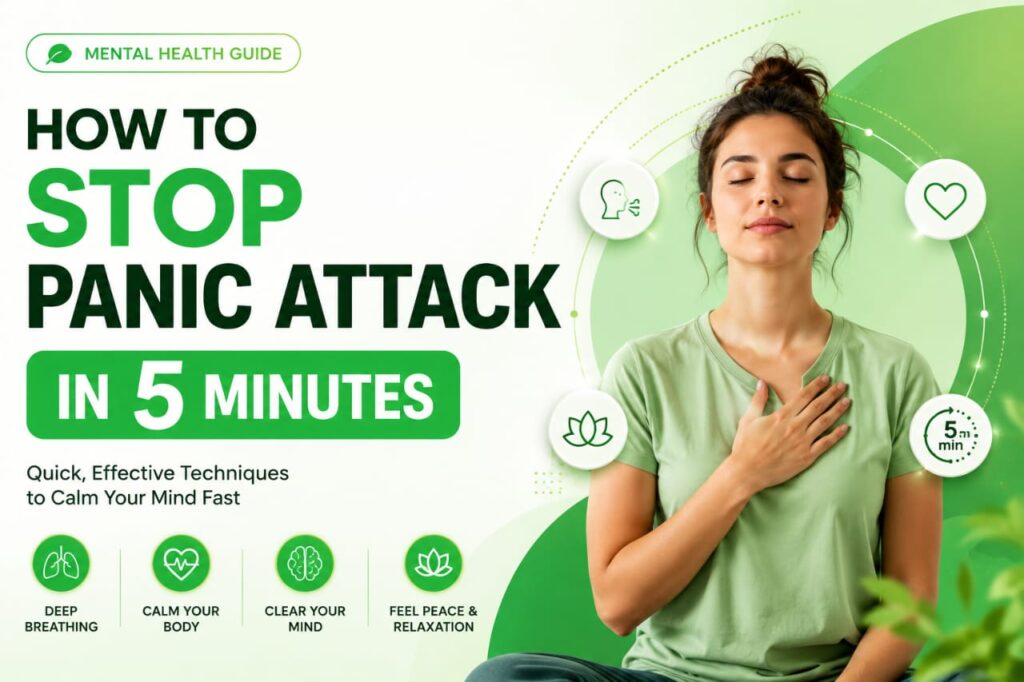
The second thing you need to know is that you can stop it. Not by fighting it. Not by running from it. But by working with your nervous system using five specific steps that take less than five minutes when practised correctly.
This is exactly what this guide will show you — step by step, backed by research from the American Psychological Association (APA), the National Health Service (NHS), and the Mayo Clinic.
We have also linked this guide to our post on science-backed ways to calm anxiety without medication — because understanding your anxiety in everyday life is just as important as knowing what to do in a crisis moment.
⚠️ Medical Disclaimer: This article is for informational and educational purposes only. It is not a substitute for professional medical advice, diagnosis, or treatment. If you experience frequent or severe panic attacks, please speak with your doctor or a licensed mental health professional as soon as possible.
What Is a Panic Attack — And Why Does It Feel So Terrifying?
A panic attack is a sudden episode of intense fear that triggers severe physical reactions when there is no real or obvious cause. According to the American Psychological Association, panic attacks typically peak within 10 minutes and rarely last longer than 20 to 30 minutes.
That timeline matters more than almost anything else in this guide. When you are in the middle of a panic attack, it feels like it will never end. Knowing it has a biological ceiling — and that your body is already working to bring it back down — gives your rational mind something to hold on to.
During a panic attack, your amygdala — the brain’s alarm centre — sends an emergency signal as if a life-threatening danger is present. This triggers an immediate release of adrenaline and cortisol into your bloodstream, activating the fight-or-flight response. Your heart rate surges. Your breathing becomes rapid and shallow. Blood is redirected away from your digestive system toward your muscles. Your body is preparing to fight or run — even though there is nothing to fight or run from.

Common Panic Attack Symptoms
According to the Mayo Clinic, symptoms of a panic attack include:
- Racing or pounding heartbeat (palpitations)
- Shortness of breath or feeling smothered
- Chest tightness or chest pain
- Dizziness, lightheadedness, or feeling faint
- Tingling or numbness in hands, feet, or face
- Sweating or chills
- Nausea or stomach discomfort
- Feeling detached from reality (derealisation or depersonalisation)
- Overwhelming sense of doom or fear of dying
- Fear of losing control or “going crazy”
Experiencing several of these simultaneously is what makes panic attacks feel so alarming. But every single one of these symptoms is produced by your own nervous system — and your own nervous system can turn them off.
The 5-Minute Panic Attack Protocol — Step by Step
This five-step protocol combines techniques drawn from Cognitive Behavioural Therapy (CBT), Dialectical Behaviour Therapy (DBT), and clinical neuroscience research. Each step targets a different layer of the panic response — cognitive, respiratory, sensory, muscular, and emotional — creating a complete intervention in under five minutes.
⏱ Step 1 — Minute 1: Name It to Tame It (Cognitive Labelling)
The first and fastest thing you can do when panic begins is to name it — out loud or silently in your head.
Say to yourself: “This is a panic attack. I am not dying. I am not in danger. This is temporary and it will pass.”
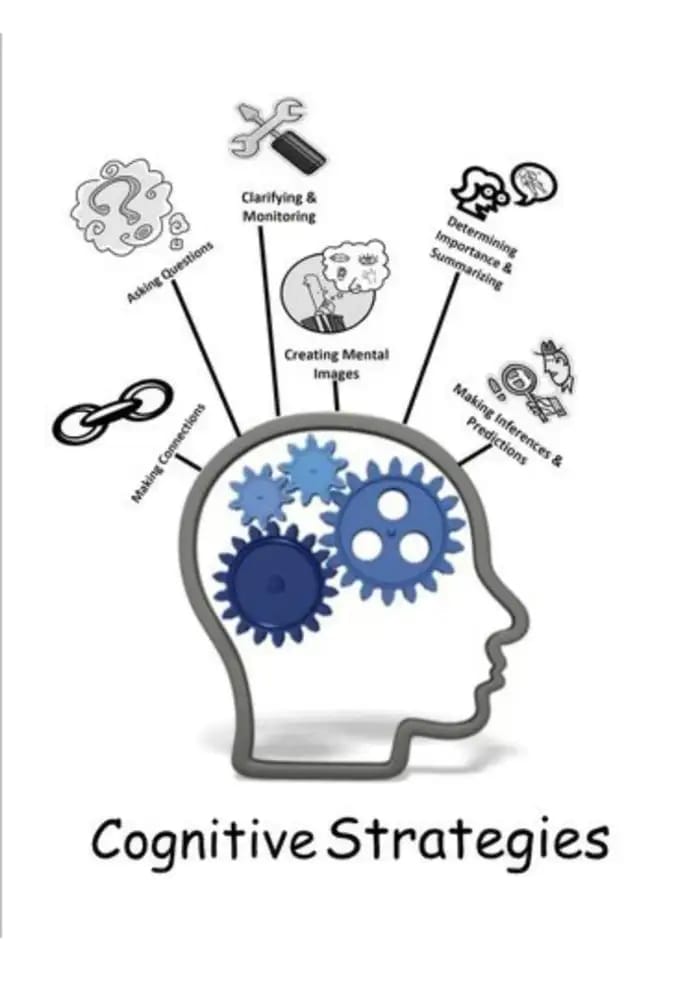
This is not positive thinking for its own sake. It is a specific neuroscientific technique called cognitive labelling, backed by landmark research from UCLA. In a study led by Dr. Matthew Lieberman, participants who verbally labelled their emotional experiences showed significantly reduced activity in the amygdala — the brain region driving the panic response — compared to those who did not label their emotions.
Naming the panic does two things simultaneously. It activates your prefrontal cortex — the rational thinking brain — and it begins to interrupt the amygdala’s dominance over your nervous system. The moment you name what is happening, you stop being a passenger in the panic and start becoming an observer of it.
What to do:
Sit or stand somewhere stable. Place one hand flat on your chest. Say quietly and slowly: “I know what this is. This is a panic attack. My body is safe. This will pass.”
⏱ Step 2 — Minute 2: Box Breathing (Respiratory Regulation)
Once you have named the panic, your next job is to take direct control of your breathing — because shallow, rapid breathing is the primary physiological mechanism keeping the panic cycle running.
Box breathing — also known as tactical breathing — is used by military personnel, first responders, and elite athletes to rapidly regulate the nervous system under extreme stress. It is recommended by the NHS specifically for acute anxiety and panic.
A 2017 study published in Frontiers in Psychology confirmed that slow, controlled breathing directly activates the parasympathetic nervous system by stimulating the vagus nerve — your body’s primary calming pathway — producing measurable reductions in heart rate, cortisol, and subjective anxiety within 60 to 90 seconds.
The box breathing technique:
- Inhale through your nose slowly — count to 4
- Hold your breath — count to 4
- Exhale through your mouth slowly — count to 4
- Hold — count to 4
Repeat this cycle 4 to 6 times. If counting to 4 feels too long at first, start with 3 and build up. The critical element is that your exhale is equal to or longer than your inhale — this is the signal that tells your nervous system the emergency is over.
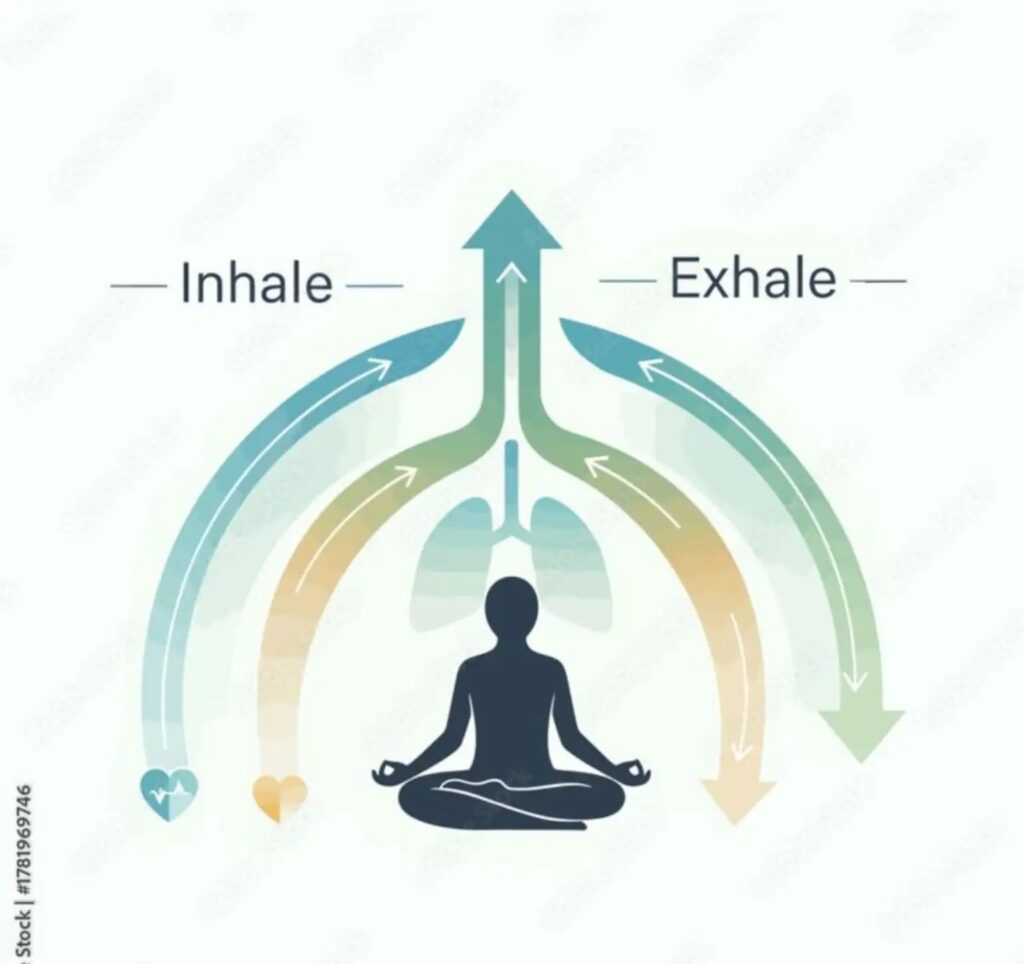
Pro tip: Place one hand on your belly. Your belly should rise on the inhale — not your chest. Belly breathing means you are using your diaphragm, which is far more effective at activating the vagus nerve than shallow chest breathing.
⏱ Step 4 — Minute 4: Progressive Muscle Release (Somatic Regulation)
Panic attacks cause involuntary muscle tension throughout your body — particularly in your shoulders, jaw, hands, and chest. This physical tension signals continued danger to your brain, keeping the alarm system active even as your breathing improves.
Progressive muscle relaxation (PMR) was developed by physician Dr. Edmund Jacobson in the 1920s and has since accumulated decades of clinical research supporting its effectiveness for anxiety and panic. The technique works on the principle of reciprocal inhibition — muscles cannot be simultaneously tense and relaxed, and deliberately releasing tension sends a direct safety signal to the nervous system.
A condensed version for panic attack moments:
- Clench both fists as tightly as you can — hold for 5 seconds — release completely and notice the warmth of relaxation
- Raise your shoulders to your ears — hold for 5 seconds — drop them completely and feel the tension dissolve
- Clench your jaw gently — hold for 5 seconds — let your mouth fall slightly open and your tongue drop from the roof of your mouth
- Tense your thigh muscles — hold for 5 seconds — release and feel your legs become heavy and soft
Repeat this sequence twice. The contrast between tension and release — and particularly the warm, heavy feeling of the release phase — is your nervous system downshifting from fight-or-flight into rest-and-digest mode.
⏱ Step 5 — Minute 5: Compassionate Reassurance (Emotional Integration)
You have named the panic, regulated your breathing, grounded your senses, and released physical tension. By this point, the worst of the panic attack should be passing. The final step is about how you treat yourself in the aftermath.
The way you respond to a panic attack after it subsides has a direct impact on how your brain encodes the experience — and therefore how likely you are to experience panic attacks in the future. Self-criticism and catastrophising after a panic attack — “Why does this keep happening to me? There must be something really wrong” — reinforces the neural pathways associated with panic. Compassionate reassurance begins to weaken them.
Say these slowly to yourself:
- “The panic attack has passed. I got through it.”
- “My body did exactly what it was designed to do. I am safe now.”
- “This does not define me. I am okay.”
Then gently reorient to your environment. Look around the room. What is familiar? What is normal? According to Mind UK, it is important to give yourself 5 to 10 minutes of calm recovery time after a panic attack before returning to normal activity — do not rush yourself back into the situation that preceded it.
Why Fighting a Panic Attack Makes It Worse
This is one of the most counterintuitive truths about panic — and one of the most important.
The more you resist a panic attack, the worse it becomes. Every “stop, stop, stop” thought, every attempt to suppress or escape the feeling, adds more adrenaline to a system that is already flooded with it. Resistance amplifies panic. Acceptance — genuine, non-judgmental acknowledgment that the panic is here and will pass — is what shortens it.
Dr. Claire Weekes, the pioneering Australian physician whose work on anxiety influenced generations of therapists worldwide, described the approach as: face, accept, float, and let time pass. Her books, including Hope and Help for Your Nerves, remain some of the most recommended resources for panic disorder by therapists to this day.
Acceptance does not mean giving up or enjoying the panic. It means saying: “I know what this is. I know it will pass. I do not need to fight it.” That single shift in stance — from resistance to acceptance — is often what separates a 3-minute panic attack from a 20-minute one.

Long-Term Prevention — Reducing How Often Panic Attacks Happen
Understanding how to stop a panic attack in the moment is essential. But reducing how frequently they occur is the longer-term goal. These evidence-based lifestyle strategies directly lower your baseline anxiety — the level at which your amygdala’s alarm threshold is set.
Reduce Caffeine and Alcohol
Both caffeine and alcohol are significant panic attack triggers. Caffeine stimulates the central nervous system in ways that are physiologically similar to anxiety. Alcohol, while temporarily calming, disrupts REM sleep and raises baseline anxiety the following day. The NHS lists both as known contributors to increased panic attack frequency.
Exercise Regularly
Aerobic exercise three to five times per week has been shown in multiple clinical trials to reduce panic attack frequency significantly. Exercise metabolises excess cortisol and adrenaline, raises the threshold at which your amygdala fires, and increases GABA — the brain’s primary calming neurotransmitter. A meta-analysis published in Frontiers in Psychiatry found exercise comparable to first-line psychological treatments for panic disorder.
Prioritise Sleep
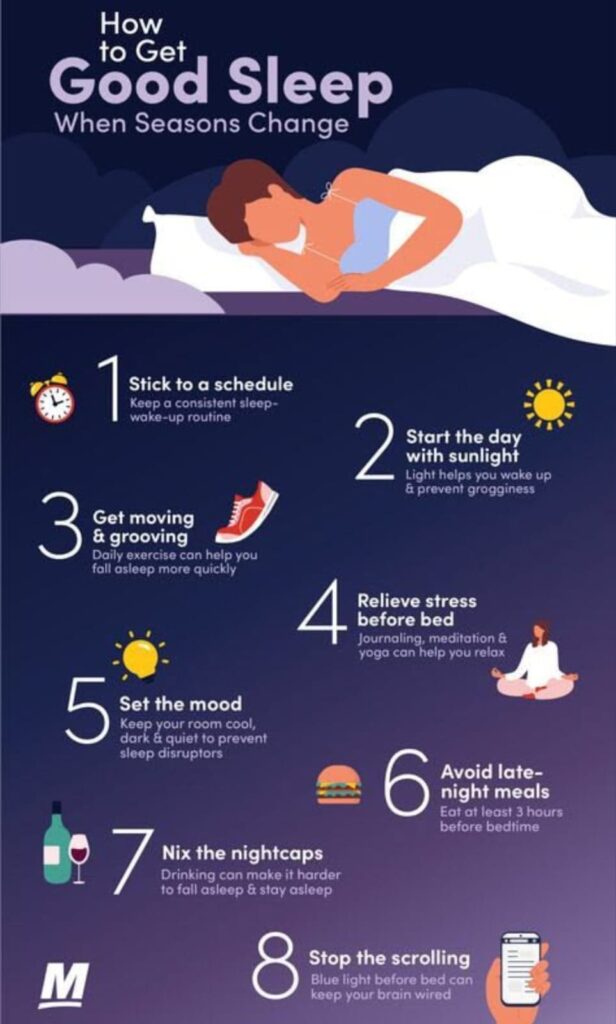
Sleep deprivation dramatically lowers the amygdala’s alarm threshold — meaning you need far less provocation to trigger a panic response when you are under-rested. Dr. Matthew Walker of UC Berkeley demonstrated through neuroimaging that even partial sleep restriction produces a 60% increase in amygdala reactivity. The CDC recommends 7–9 hours for adults.
Consider Cognitive Behavioural Therapy (CBT)
CBT has the strongest evidence base of any psychological treatment for panic disorder. A Cochrane systematic review — one of the highest standards in medical evidence — confirmed that CBT produces significant and lasting reductions in panic attack frequency and severity. In the UK you can self-refer through NHS Talking Therapies. In the US, the ADAA therapist finder is the recommended starting point.
Build Your Daily Anxiety Toolkit
Panic attacks rarely exist in isolation — they are usually part of a wider pattern of anxiety. Building a daily practice using the techniques from our guide on science-backed ways to calm anxiety without medication will lower your overall anxiety baseline and reduce the frequency and intensity of panic attacks over time.
Key Takeaways — Featured Snippet Optimised
How to stop a panic attack in 5 minutes:
- Name it — say “this is a panic attack, I am safe” to activate your prefrontal cortex and reduce amygdala activity
- Box breathe — 4 counts in, 4 hold, 4 out, 4 hold — stimulates the vagus nerve and parasympathetic nervous system
- Ground yourself — 5-4-3-2-1 sensory technique pulls attention into the present moment
- Release muscle tension — progressive muscle relaxation sends direct safety signals to the nervous system
- Reassure yourself compassionately — self-criticism after panic reinforces it; compassion weakens it
Remember: Panic attacks peak within 10 minutes and always pass. You are not in danger.
A Word From Mindnesto –
At MindNesto, we know that reading about panic attacks when you are calm is very different from remembering what to do when one hits. That is why we recommend saving this page to your phone’s home screen right now — so it is one tap away the next time you need it.
You are not broken. Your brain is not broken. You are a human being with an overprotective nervous system — and with the right tools, that is something you can absolutely learn to work with.
We are here every step of the way. 💙
→ Read next: 10 Science-Backed Ways to Calm Anxiety Without Medication
→ Bookmark this page for fast access during future panic attacks
Frequently Asked Questions
How do I know if it is a panic attack or a heart attack?
Panic attacks and heart attacks can feel frighteningly similar, which adds to the fear. Key differences: panic attacks often involve tingling in hands and feet, a sense of unreality, and typically resolve within 20–30 minutes. Heart attacks usually involve pain radiating to the left arm or jaw, nausea, and do not resolve on their own. If you are ever genuinely uncertain, call emergency services immediately. Always get chest pain checked by a doctor — especially the first time you experience it.
Can panic attacks happen during sleep?
Yes. Nocturnal panic attacks are real and relatively common. You wake suddenly from sleep in a state of intense fear with no obvious trigger.
How long does a panic attack last?
According to the Mayo Clinic, panic attacks typically peak within 10 minutes and most resolve fully within 20 to 30 minutes.
Is it possible to stop panic attacks permanently?
Many people significantly reduce or completely stop panic attacks through a combination of CBT therapy, lifestyle changes, and in some cases short-term medication. It is absolutely achievable.
Should I go to A&E or the ER during a panic attack?
If it is your first time experiencing these symptoms and you are unsure whether it is a panic attack or a medical emergency — yes, get checked.
What triggers panic attacks?
Common triggers identified by the NHS include caffeine, alcohol, chronic stress, sleep deprivation, hyperventilation, certain medications, thyroid conditions, and significant life events. However, panic attacks can also occur with no identifiable trigger — which is what makes them particularly frightening and why understanding the biological mechanism is so important.
Sources and External References
- American Psychological Association — Panic Disorder
- NHS UK — Panic Disorder
- Mayo Clinic — Panic Attacks and Panic Disorder
- Mind UK — Panic Attacks
- UCLA — Putting Feelings Into Words Study
- Frontiers in Psychology — Breathing and Anxiety
- Frontiers in Psychiatry — Exercise and Panic Disorder
- Behaviour Research and Therapy — Grounding Techniques
- ADAA — Find a Therapist
- NHS Talking Therapies — Self Referral
- CDC — Sleep Guidelines
- NAMI Helpline
- Hope and Help for Your Nerves — Dr. Claire Weekes